
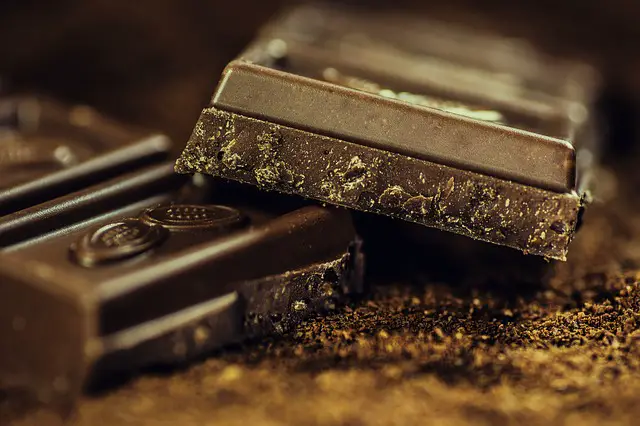
Chocolate was once a rare and almost ceremonial food. Today, it is everywhere — in bars, baking chips, drinks, desserts and, let’s be honest, sometimes eaten straight from the pantry while standing up.
But not all chocolate is created the same. Dark chocolate, especially the higher-cacao varieties, is the one that gets most of the health attention because it contains more cocoa solids and, usually, less added sugar than milk chocolate.
The key word here is usually. As with most foods, the ingredient list matters more than the marketing on the front of the package.
Chocolate has a long history and was originally consumed as a drink in Mesoamerica before it eventually made its way to Europe during colonization. It later became the solid chocolate we know today after cocoa was combined with sugar, cocoa butter, milk and other ingredients.
Today, chocolate is used as a flavor for almost everything. Dark chocolate just happens to be the version that may offer some nutritional benefits when eaten in reasonable portions.
How Is Chocolate Made?
Chocolate is made from the cacao beans of the cacao tree. In their natural form, cacao beans can be eaten as nibs or processed into cocoa powder, but they are quite bitter on their own.
The cacao tree, or Theobroma cacao, grows best in warm, humid climates near the equator. Cacao is grown in parts of Central and South America, West Africa and Southeast Asia, with countries such as Côte d’Ivoire, Ghana, Ecuador and Indonesia playing major roles in global production.
The beans grow inside large pods, which are harvested, opened, fermented, dried and roasted before they become chocolate. As explained in this overview of harvesting and processing cocoa beans, the timing of harvest and fermentation can have a big effect on the final flavor.
Here is where wording gets a little confusing. The tree, pods and raw beans are often called cacao, while the fermented and roasted form is usually called cocoa.
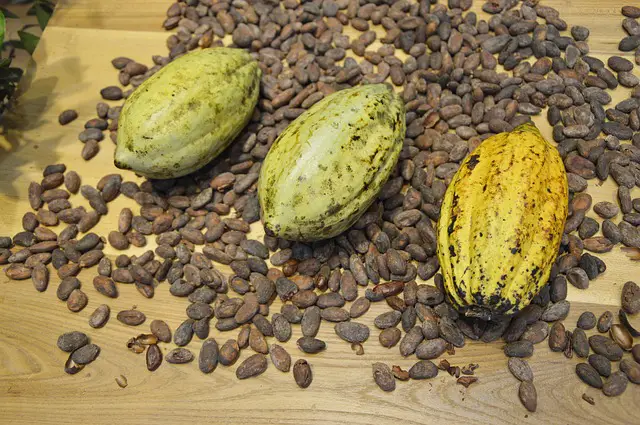
Fermentation is a key step because it helps develop the familiar chocolate flavor. Research on ancient cacao use, including this study on early cacao beverages, shows that humans have been using cacao for thousands of years.
After fermentation and drying, the beans can be roasted and processed into cocoa nibs, cocoa powder, cocoa butter or chocolate liquor, also called cocoa mass. Despite the name, chocolate liquor does not contain alcohol; it is simply ground cocoa solids and cocoa butter.
From there, manufacturers add ingredients such as sugar, milk, lecithin, vanilla, nuts, fruit or extra cocoa butter. That is how we end up with milk chocolate, white chocolate and dark chocolate.
And yes, technically, white chocolate does not contain cocoa solids, which is why dark chocolate lovers tend to look at it with suspicion. I won’t judge, but I do understand the argument.
What Is Dark Chocolate?

Dark chocolate is chocolate that contains a higher percentage of cocoa solids and cocoa butter and usually less milk and sugar than milk chocolate. There is no one perfect definition, but many people look for 70% cacao or higher when choosing dark chocolate for health reasons.
In the U.S., labeling rules are a bit more complicated, and some products labeled bittersweet or semisweet may contain at least 35% chocolate liquor. For the nutrition benefits people usually associate with dark chocolate, higher-cacao bars are typically the better choice.
Dark chocolate tends to taste more bitter because it has less sugar to soften the cocoa flavor. That bitterness is also a good reminder that we are talking about a food with powerful flavor, not something most people need to eat by the handful.
There are now many varieties available, including dairy-free, low-sugar, organic, fair-trade and allergen-free options. That is great news for people who need to avoid milk, soy, nuts or gluten, but it still means reading the ingredient label every single time.
Not all dark chocolate is automatically healthy. Some bars are still high in sugar, saturated fat or added ingredients that turn them closer to candy than a nutrient-rich treat.
Some Tasty Dark Chocolates
Pascha
Allergen Free Organic Dark Chocolate
Free From Peanuts, nuts, dairy, soy, eggs, fish, wheat & gluten
Cacao range 55%-85%
Ghirardelli Chocolate Intense Dark
Gluten-Free; Made in USA
Rich, slow-melting dark chocolate, crafted from the highest quality ingredients.
86% Cacao Chocolate Bars
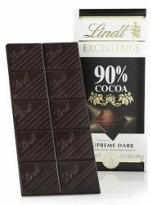
Lindt Excellence Supreme Dark Chocolate 90% Cocoa
Gluten Free; Made in the USA
A full-bodied dark chocolate masterfully crafted to be smooth, rich and balanced.
Pair with your favorite wine
Dark Chocolate Nutrition Facts
The nutrition in dark chocolate varies depending on the cacao percentage, added sugar and serving size. Based on USDA FoodData Central, a 1-ounce serving of 70% to 85% dark chocolate is roughly 170 calories and provides fat, fiber, iron, magnesium, copper and manganese.
That same ounce typically contains about 2 grams of protein and several grams of fiber. Not enough to call it a high-protein food, but still more nutrition than many other sweets.
Dark chocolate also contains caffeine and theobromine, two natural stimulants found in cocoa. This is not usually a problem in small portions, but it is something to consider if you are sensitive to caffeine or eating chocolate later in the day.
Dark chocolate does contain saturated fat, mainly from cocoa butter. The interesting part is that one of the main saturated fats in cocoa butter is stearic acid, which appears to have a more neutral effect on cholesterol than some other saturated fats.
That does not turn chocolate into broccoli. It simply means the overall nutrition picture is more nuanced than “fat equals bad,” which, thankfully, we have mostly moved past.
Older nutrition databases, including this dark chocolate nutrition source, show similar patterns: dark chocolate provides minerals and antioxidants, but it is also calorie-dense. Portion size still matters.

Health Benefits of Dark Chocolate
Dark chocolate gets most of its health reputation from cocoa flavanols, which are plant compounds found in cocoa. Flavanols are part of a larger family of compounds called flavonoids, and cocoa also contains polyphenols with antioxidant activity.
Short answer: dark chocolate can be part of a healthy diet, but it is not medicine. I know, less exciting than “eat chocolate and fix everything,” but far more accurate.
Heart Health
Some studies have linked cocoa and dark chocolate with better blood vessel function, blood pressure and circulation. An older study on dark chocolate and cardiovascular function helped spark interest in this area.
Other research, including this study on chocolate and endothelial function, suggests that cocoa may have a positive effect on the lining of blood vessels. The European Food Safety Authority has also stated that 200 mg of cocoa flavanols daily can help maintain normal blood vessel elasticity.
That said, many studies use cocoa products with controlled amounts of flavanols, not necessarily the chocolate bar sitting next to the checkout line. This is one reason I would not recommend relying on dark chocolate as your main heart-health strategy.
The basics still matter more: eating more vegetables, fruits, beans, lentils, nuts, seeds, whole grains and fish, while limiting ultra-processed foods and excess added sugar. Dark chocolate can fit into that pattern, but it does not replace it.
Blood Pressure and Insulin Sensitivity
Some clinical research has found that cocoa-rich chocolate may improve blood pressure and insulin sensitivity in certain groups. For example, this study on dark chocolate, blood pressure and insulin sensitivity showed improvements after short-term intake.
But again, this does not mean someone with diabetes or high blood pressure should start eating large amounts of chocolate. It means that a small portion of lower-sugar dark chocolate may fit into an overall eating plan for some people.
Cravings and Satisfaction
Dark chocolate may also help with satisfaction, which can be useful if a small amount prevents you from feeling deprived. In one small experiment reported by ScienceDaily, dark chocolate was associated with reduced cravings compared with milk chocolate.
This makes sense from a practical standpoint. Dark chocolate has a stronger flavor, so a square or two can feel more satisfying than a sweeter chocolate that is easier to keep eating.
Skin Health
There is also some research on cocoa flavanols and skin health. One study on cocoa flavanols and UV protection found improvements in skin response after regular intake, while another study on flavanol-rich cocoa and skin condition reported changes in skin hydration and roughness.
Interesting? Yes. A replacement for sunscreen? Absolutely not.
Stress and Mood
Dark chocolate is often linked with mood, partly because people enjoy it and partly because cocoa contains compounds that may affect the brain and nervous system. One study on chocolate intake and stress found that dark chocolate was associated with lower stress scores compared with milk or white chocolate.
Of course, context matters. Eating a small piece of dark chocolate after dinner is one thing; using chocolate as your only coping tool for stress is another.
Choosing the Right Portion

A reasonable portion of dark chocolate is usually about 1 ounce, or roughly 20 to 30 grams. Some clinical studies on cocoa and health have used ranges around 20 to 40 grams per day, but that does not mean more is better.
Personally, I would think of dark chocolate as an enjoyable add-on, not a daily requirement. A few squares of a high-quality 70% or higher bar can be a nice way to end a meal.
Look for bars with cocoa or cacao listed first, a shorter ingredient list and lower added sugar. The American Heart Association’s guidance on added sugars is a useful reminder that sweets can add up quickly, even when they come with antioxidants.
Also, keep in mind that higher-cacao chocolate is not always lower in calories. It may have less sugar, but it can still be rich in cocoa butter and total fat.
Other Considerations With Dark Chocolate
Sugar and Sweeteners
One of the biggest considerations with chocolate is still the sugar content. Some dark chocolate bars contain very little added sugar, while others are surprisingly sweet.
For people with diabetes, prediabetes, insulin resistance or blood sugar concerns, checking the nutrition label is not optional. Sugar alcohols and other sweeteners may also cause digestive issues for some people, and the Mayo Clinic’s overview of artificial sweeteners is a good place to review the basics.
The safest approach is to choose a product that fits your health needs and portion it intentionally. Translation: do not bring the entire bar to the couch unless you are prepared to negotiate with yourself.
Allergens
Chocolate can come into contact with common allergens, including milk, soy, peanuts, tree nuts, wheat and gluten. Food Allergy Research & Education has a helpful overview of common food allergens for anyone who needs to be extra careful.
Dark chocolate is not always dairy-free, even when it looks like it should be. An older FDA warning about undeclared milk in some dark chocolate products, reported in this dark chocolate allergy advisory, is a good reminder to read labels closely.
Anyone with a severe allergy should also look for facility statements and cross-contact warnings. This is especially important with boutique or specialty chocolate brands where ingredients may change.
Heavy Metals
Another newer concern with dark chocolate is lead and cadmium. These heavy metals can be found in some cocoa products, and dark chocolate may contain more because it has more cocoa solids.
Reports from Consumer Reports on lead and cadmium in dark chocolate found that levels varied widely by brand. The FDA also notes that lead exposure from food is a health concern, especially for children and during pregnancy.
This does not mean everyone needs to panic and throw out every chocolate bar. It does mean moderation matters, and pregnant people, children and frequent dark chocolate eaters may want to rotate brands and avoid making large servings a daily habit.
Yeast and Other Health Conditions
High-sugar foods can be an issue for some people dealing with blood sugar concerns or certain recurring infections. For general information, WebMD has a basic review of candidiasis and yeast infections.
That said, dark chocolate itself is not a treatment for any medical condition. For specific concerns, especially diabetes, heart disease, pregnancy, kidney disease or food allergies, it is always best to check with your clinician or registered dietitian.
Bottom Line
Dark chocolate can be a nutritious and enjoyable food when chosen well and eaten in reasonable portions. It provides cocoa flavanols, minerals and a rich flavor that can satisfy a sweet craving without needing a huge amount.
But the benefits depend on the type of chocolate, how much you eat and what the rest of your diet looks like. A small piece of dark chocolate after a balanced meal? Lovely.
A giant bar every night because “antioxidants”? That might be where we need to have a little chat.
Choose 70% cacao or higher when you enjoy the taste, watch the added sugar, pay attention to allergens and keep portions modest. In other words, dark chocolate can absolutely have a place in a healthy eating pattern — just not on a pedestal all by itself.
Leave Feedback: Was this article helpful?