
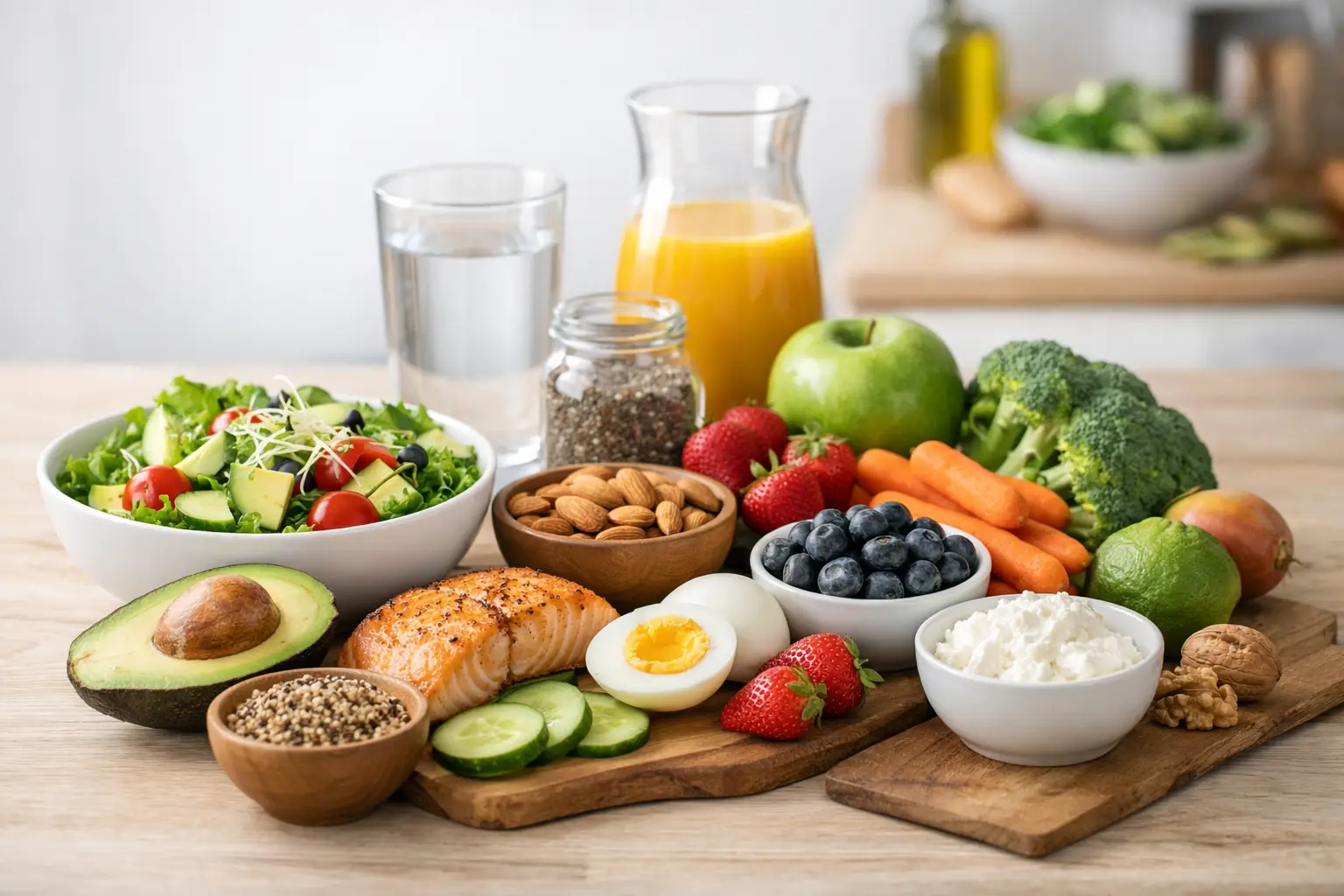
You do not need a perfect diet to eat well. Most people benefit far more from a few steady habits than from strict rules they cannot keep. If you have been asking what are healthy eating guidelines, the short answer is this: eat a variety of nutrient-dense foods, keep portions reasonable, and build a pattern you can actually follow.
That sounds simple, but real life makes it messy. Budgets matter. Time matters. Food preferences, culture, family routines, and health conditions all matter too. Healthy eating guidelines are meant to give direction, not force everyone into the same meal plan.
What are healthy eating guidelines meant to do?
Healthy eating guidelines are broad recommendations designed to support overall health, reduce the risk of chronic disease, and help people meet their nutrient needs without overeating. They are not a crash diet and they are not a moral scorecard for food choices.
At their best, guidelines help you answer everyday questions like how much produce to eat, what kind of protein to choose, whether carbs are okay, and how often highly processed foods fit in. They also create a useful middle ground between two extremes: eating with no structure at all and following rigid plans that are hard to sustain.
For most adults, the core idea is balance. Your body needs carbohydrates, protein, and fat, plus vitamins, minerals, fiber, and enough fluid. No single food can provide all of that. A healthy pattern comes from what you eat most of the time, not from one salad or one dessert.
The basic principles behind healthy eating
A good place to start is with food quality. Nutrient-dense foods give you more nutrition for the calories they contain. That usually means vegetables, fruits, whole grains, beans, lentils, nuts, seeds, low-fat or unsweetened dairy options if you tolerate them, and lean or minimally processed protein sources like fish, poultry, eggs, tofu, and yogurt.
Variety matters because different foods offer different nutrients. Dark leafy greens provide folate and vitamin K. Orange vegetables often provide beta-carotene. Beans bring fiber and plant protein. Fatty fish adds omega-3 fats. If your diet gets too repetitive, it becomes easier to miss key nutrients.
Portion size matters too. Even nutritious foods can become less helpful when portions regularly exceed your needs. This does not mean you need to count every calorie. It means paying attention to hunger, fullness, and the overall makeup of your meals.
Another principle is limiting foods that add a lot of calories without much nutrition. That includes many sugary drinks, heavily salted snack foods, sweets, and highly processed meals that are easy to overeat. These foods do not need to be banned, but they should not crowd out the foods your body relies on.
What a balanced plate usually looks like
One of the easiest ways to apply healthy eating guidelines is to think in terms of meals instead of nutrients. A balanced plate often includes vegetables or fruit, a protein source, a high-fiber carbohydrate, and some healthy fat.
For example, lunch might be grilled chicken, brown rice, roasted vegetables, and avocado. Breakfast could be plain Greek yogurt with berries, oats, and nuts. Dinner might be black beans, sweet potato, sauteed greens, and salsa. These meals are not special because they are trendy. They work because they combine fiber, protein, and healthy fats in a way that supports fullness and steady energy.
This is also where flexibility matters. If you are vegetarian, your protein sources may be beans, tofu, tempeh, edamame, eggs, or dairy. If you have diabetes, you may need to pay closer attention to carbohydrate portions. If you have high blood pressure, sodium becomes more important. The structure stays similar, but the details can change.
Food groups that deserve most of your attention
Vegetables and fruits should make up a large part of a healthy eating pattern because they provide fiber, antioxidants, and a wide range of vitamins and minerals. Whole fruits are usually a better everyday choice than juice because they are more filling and less concentrated in sugar.
Whole grains are another strong foundation. Oats, brown rice, quinoa, whole wheat bread, and whole grain pasta generally provide more fiber and nutrients than refined grains. Refined grains are not automatically unhealthy, but relying on them too heavily can make meals less satisfying and less nutritious.
Protein supports muscle maintenance, immune function, and fullness. Good options include fish, poultry, eggs, beans, lentils, soy foods, yogurt, cottage cheese, and lean cuts of meat. Red and processed meats can fit occasionally, but most guidelines suggest not making them your default protein source.
Healthy fats are essential, not optional. Nuts, seeds, olive oil, avocado, and fatty fish provide fats that support heart and brain health. The main goal is not to fear fat, but to choose better fat sources more often.
What healthy eating guidelines say about sugar, salt, and processed foods
This is where confusion tends to start. People often hear that they should avoid sugar, sodium, and processed foods, then assume every packaged product is harmful. That is not realistic or accurate.
Some processed foods can be part of a healthy diet. Frozen vegetables, canned beans, plain yogurt, whole grain bread, and peanut butter are all processed to some degree. The bigger concern is ultra-processed foods that are high in added sugar, sodium, and unhealthy fats while being low in fiber and protein.
Added sugar is worth watching because it can raise calorie intake quickly without improving fullness. Soda, sweet coffee drinks, candy, pastries, and many flavored snack foods are common sources. You do not need to cut out all sweets, but it helps to treat them as occasional additions rather than daily staples.
Sodium matters most for people with high blood pressure, kidney disease, or a high intake of packaged foods and restaurant meals. Cooking more often at home, rinsing canned foods, and checking labels can make a real difference.
Healthy eating guidelines and portion control
Portion control gets framed as restriction, but it is really about alignment. Your body has different needs depending on age, activity level, sex, health status, and goals. Someone training for a marathon will not eat the same way as someone trying to manage weight while working at a desk all day.
A practical way to manage portions is to slow down enough to notice your hunger level before and after meals. It also helps to build meals around protein and fiber, since those are more filling than refined carbs alone. If you regularly finish meals and still feel unsatisfied, the issue may not be discipline. You may need more protein, more vegetables, more volume, or more regular meal timing.
Portion control is also harder when meals are inconsistent. Skipping breakfast and then trying to “be good” until dinner often leads to overeating later. Eating at predictable times can support better appetite regulation.
Hydration counts too
Healthy eating guidelines are not just about food. What you drink affects appetite, energy, and overall health. Water should be the main beverage for most people. Unsweetened tea, sparkling water, and coffee in moderation can also fit.
Sugary drinks deserve special attention because they are easy to consume quickly and often do not make you feel full. Replacing even one daily soda with water can lower sugar intake in a meaningful way over time.
What are healthy eating guidelines for real life?
Real life means healthy eating has to work on busy weekdays, during travel, on tight budgets, and around family preferences. That is why consistency beats perfection.
If fresh produce is expensive or hard to keep on hand, frozen fruits and vegetables are a smart option. If you do not like salads, eat cooked vegetables instead. If you rely on convenience foods, look for versions with simpler ingredient lists, less added sugar, and more protein or fiber.
It is also okay to enjoy food just because it tastes good. Healthy eating should support health, but it should also be livable. Social meals, holiday foods, and favorite treats can fit into an overall balanced pattern. Problems usually come from habits repeated daily, not from occasional indulgences.
When eating guidelines need to be personalized
General advice works well for many people, but some situations need a more tailored approach. Pregnancy, food allergies, gastrointestinal conditions, diabetes, kidney disease, high cholesterol, and a history of disordered eating can all change what healthy eating looks like.
For example, a high-fiber diet helps many people, but it may be difficult during certain digestive flares. A lower-sodium diet can be important for blood pressure, while someone with low appetite may need more calorie-dense foods. This is one reason trustworthy health information matters. Good guidelines are helpful, but personal health needs still come first.
At The Healthy Apron, the best nutrition advice is the kind people can understand and use without turning meals into a source of stress. Healthy eating is rarely about chasing a perfect standard. It is about building a pattern that nourishes your body, fits your life, and feels realistic enough to continue next week, not just today.
Leave Feedback: Was this article helpful?