
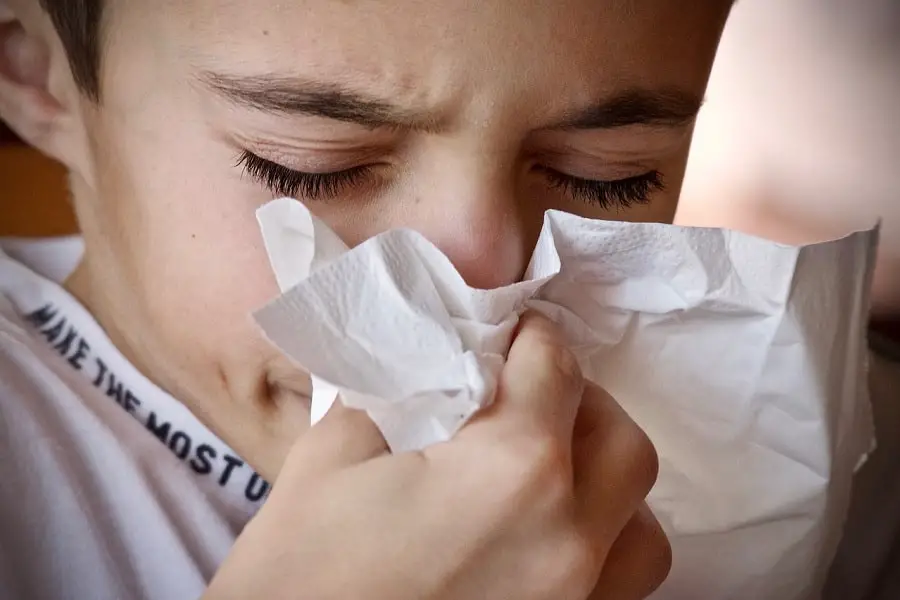
No parent wants to watch their child deal with constant sneezing, itchy eyes, a stuffy nose or mysterious rashes.
The tricky part is that allergies can look a lot like other everyday problems in kids, including colds, irritated skin and even asthma flare-ups.
There is not always one single “root cause” behind allergies in children.
In most cases, it is a mix of an overactive immune response, family history and exposure to triggers in the environment.
Only a doctor can diagnose allergies for sure, but understanding what is going on can make that appointment a whole lot more productive.
The Role of the Immune System in Allergies
In healthy people, the immune system responds to real threats such as viruses and bacteria.
In children with allergies, the immune system reacts to substances that are usually harmless, such as pollen, dust mites, mold, pet dander or certain foods.
As the American Academy of Pediatrics explains, allergies happen when a child’s immune system overreacts to an allergen and treats it like a threat. A lot of the classic allergy symptoms are driven by antibodies called immunoglobulin E (IgE).
These antibodies can trigger mast cells to release chemicals such as histamine, which is what leads to symptoms like sneezing, itching, swelling and hives.
The type of reaction a child has depends in part on where that immune response is happening. When it shows up in the nose and eyes, it can look like seasonal or year-round allergies.
When it affects the lungs, it may contribute to asthma symptoms. When it affects the skin, it may show up as hives, itching or eczema flare-ups.
When the reaction involves the whole body, it can lead to anaphylaxis, which is a medical emergency.
It is never a great idea to brush off allergy symptoms in children, especially when breathing, swelling or repeated vomiting are involved.
Parents can look for a Pediatrician near me who can evaluate the child’s symptoms and decide whether an allergist referral makes sense.
The Most Common Allergic Triggers in Children
Children can be allergic to a surprisingly wide range of things.
One of the most common allergy problems in kids is allergic rhinitis, also called hay fever, which often causes sneezing, congestion, a runny nose and itchy eyes.
According to HealthyChildren.org, common seasonal triggers include pollen and outdoor mold, while year-round triggers often include dust mites, mold, furry animals and cockroaches.
Other common allergy triggers in children include:
- Latex
- Mold
- Dust mites
- Pet dander
- Certain foods
- Certain medicines
- Insect stings, including bees or wasps
- Cockroaches and other pests
Some allergies are more likely to cause mild but miserable symptoms, while others can become serious very quickly.
For example, pet dander may cause sneezing and itchy, watery eyes, while foods, medicines or insect stings are more likely to trigger a severe reaction in some children.
According to HealthyChildren.org’s guidance on anaphylaxis, symptoms such as trouble breathing, swelling, fainting, repeated vomiting or a sudden drop in blood pressure need emergency care right away.
Just because a reaction is not life-threatening does not mean it should be ignored.
Allergies can interfere with sleep, school, sports and just feeling like a normal kid, which is more than enough reason to bring them up with a doctor.
Symptoms of Allergies in Children
Allergy symptoms can affect many parts of the body, including the nose, eyes, skin, lungs, stomach and throat.
That is part of what makes allergies confusing in the first place. They do not always show up the same way from one child to the next.
Parents should keep an eye out for symptoms such as:
- Itchy eyes, ears, nose or roof of the mouth
- Runny or stuffy nose
- Sneezing
- Red, watery eyes
- Itchy, dry skin
- Hives or rashes
- Asthma symptoms such as coughing, wheezing or shortness of breath
- Stomach symptoms such as vomiting or diarrhea after a trigger
- Signs of anaphylaxis such as throat tightness, trouble breathing, fainting or repeated vomiting
According to HealthyChildren.org, nasal allergies in kids often come with sneezing, a drippy nose, swollen nasal passages and red, itchy, watery eyes.
Dark circles under the eyes and trouble sleeping can also show up. It is also worth remembering that not every runny nose is an allergy.
Colds tend to come on more gradually and are more likely to cause fever, body aches and thicker mucus.
Allergies, on the other hand, are more likely to cause itching, clear nasal drainage and symptoms that flare up around certain triggers.
When a child seems to have the same “cold” again and again, especially without fever, allergies should be on the list of possibilities.
A parent who thinks a child may be having anaphylaxis should call 911 immediately. That is not a wait-and-see situation.
Who Is at Risk for Developing Allergies?
Anyone can develop allergies, but childhood is when many people first start showing symptoms.
One of the biggest risk factors is family history. According to HealthyChildren.org, children have a 30% to 50% higher chance of developing allergies when one birth parent has allergies, and the odds can rise to 60% to 80% when both birth parents have allergies.
That does not mean a child will inherit the exact same allergy, only that the child may be more likely to develop allergic disease in general.
Some children also seem to move through what is often called the allergic or atopic march, where eczema, food allergies, asthma and allergic rhinitis tend to cluster together over time. In other words, the “root cause” is usually not one bad food, one dusty room or one spring pollen season.
More often, it is a mix of genetic tendency, immune system behavior and real-world exposure to allergens.
Diagnosing Allergies in Children
The people who diagnose allergies in children are usually pediatricians and allergists.
Diagnosis starts with a physical exam, a health history and a close look at when symptoms happen and what seems to trigger them.
That history matters more than many parents realize. According to the American College of Allergy, Asthma & Immunology, testing can help identify triggers, but those results still need to be interpreted alongside the child’s symptoms and medical history.
Doctors may recommend one or more of the following allergy tests.
Skin Tests
Skin prick testing is one of the most common ways to look for allergies.
A tiny amount of a possible allergen is placed on the skin, and the skin is lightly pricked so the doctor can see whether a raised bump or flare develops.
This kind of testing is commonly used for things like pollen, pet dander, dust mites and some foods. It is quick, widely used and often helpful when the history suggests a likely trigger.
Blood Tests
Allergy blood tests measure IgE antibodies in the blood.
These tests are often called specific IgE tests. They can be useful when skin testing is not practical, such as when a child has certain skin conditions, cannot stop certain medicines or might be at higher risk of a serious reaction during skin testing.
Older articles often call these tests “RAST” tests, but that term is outdated. Modern allergy blood testing still measures IgE, but today’s methods are more current than the old RAST approach. Blood tests can be useful, but they are not perfect.
A positive test does not automatically prove that a child has a true clinical allergy, and the number does not tell you how severe a reaction will be.
Challenge Tests
Challenge tests should only be done under the supervision of a trained allergist.
According to the ACAAI, an oral food challenge is considered the gold standard for confirming a food allergy. During this test, the child is given very small and gradually increasing amounts of a suspected food in a medical setting while being closely watched.
These tests can be extremely helpful, but they should never be tried at home. Even a small amount of the wrong trigger can cause a serious reaction.
Final Thoughts
Allergies can be frustrating at any age, but they can be especially tricky in children because symptoms overlap with so many other everyday problems.
The biggest takeaway is that allergies usually do not have one neat, simple root cause. Most of the time, they happen because a child’s immune system is reacting too strongly to a trigger, often in the setting of an inherited tendency toward allergies.
Parents can help by learning the common symptoms, noticing patterns and bringing those details to the pediatrician. That alone can go a long way toward getting answers faster and helping a child feel better sooner.
Leave Feedback: Was this article helpful?