
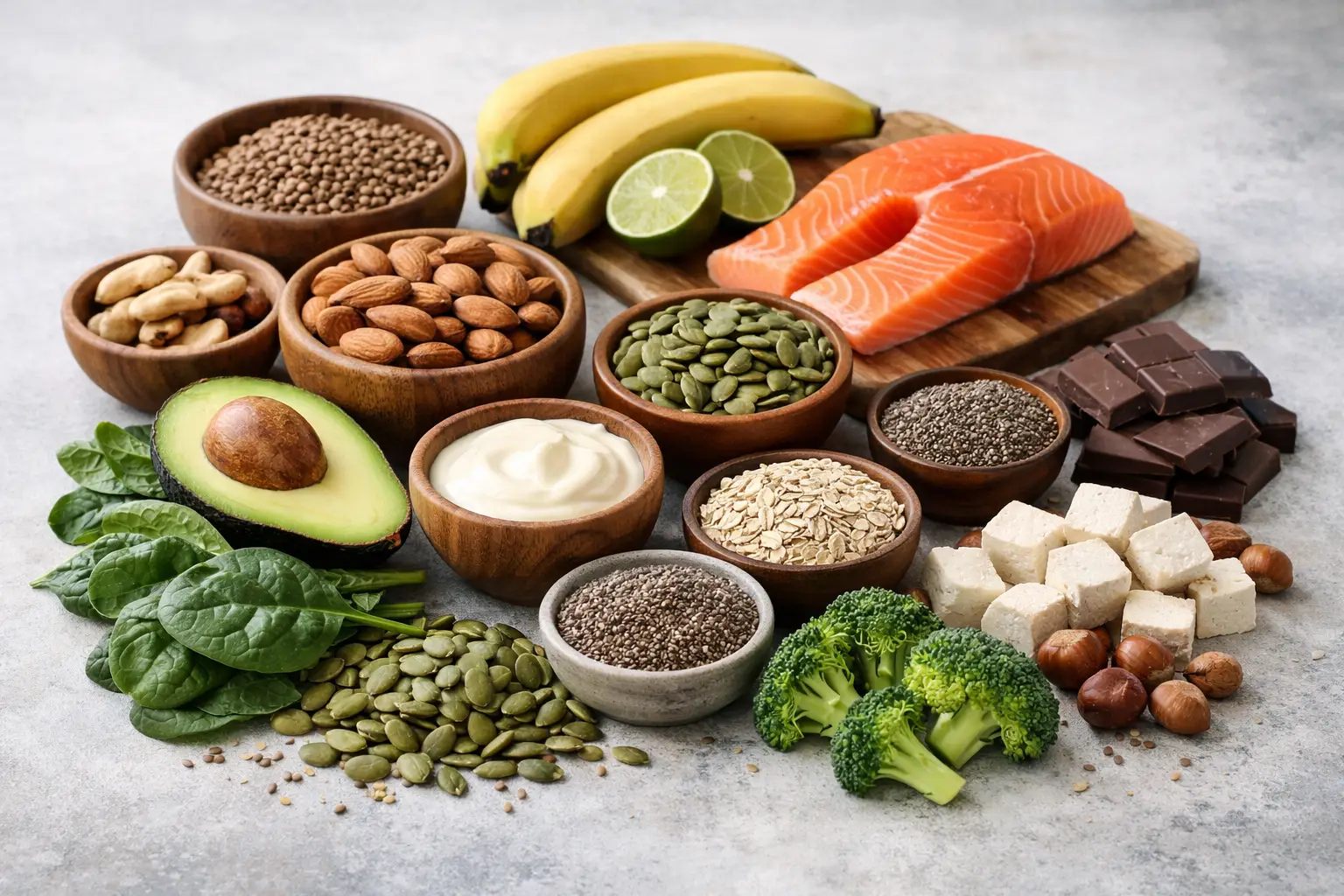
You might not think much about magnesium until muscle cramps, poor sleep, or constant fatigue start showing up. But foods high in magnesium matter for far more than a single symptom. This mineral helps with muscle and nerve function, blood sugar regulation, bone health, heart rhythm, and energy production, which means your daily intake can affect how you feel in subtle ways.
Many adults in the US do not get enough magnesium from food. That does not always mean a severe deficiency, but it can mean your diet is falling short of what your body needs to work at its best. The good news is that magnesium is found in a wide range of everyday foods, especially plant foods, so improving your intake often comes down to a few smart swaps rather than a major diet overhaul.
Why magnesium matters in the first place
Magnesium is involved in hundreds of chemical reactions in the body. It supports normal muscle contraction and relaxation, helps nerves send signals, and plays a role in maintaining healthy blood pressure. It also contributes to protein synthesis and the way your body turns food into usable energy.
That broad role is why low intake can feel vague. Some people notice fatigue, muscle twitches, weakness, or headaches. Others may not notice anything obvious at all. It also helps explain why magnesium gets attention in conversations about sleep, exercise recovery, and heart health. Still, food should usually come first. Unless a clinician recommends supplements, a balanced eating pattern is the more reliable and lower-risk place to start.
12 foods high in magnesium worth adding to your diet
Not every magnesium-rich food works for every person. Some are better for quick snacks, others fit best into meals, and a few are calorie-dense enough that portion size matters. The goal is variety, not perfection.
1. Pumpkin seeds
Pumpkin seeds are one of the most concentrated dietary sources of magnesium. A small handful can add a meaningful amount, which makes them useful if you want an easy, portable option. They also bring healthy fats, iron, and some protein.
Try them on oatmeal, yogurt, salads, or soups. If you buy flavored versions, watch the sodium. Plain or lightly salted usually gives you more flexibility.
2. Spinach
Leafy greens are often praised for vitamin K and folate, but spinach also stands out for magnesium. Cooked spinach gives you more in a smaller volume than raw, so it can be a practical choice if you are trying to increase intake without eating giant salads.
That said, spinach contains oxalates, which can affect mineral absorption. It is still a nutritious option, but it should be one part of your rotation rather than the only strategy.
3. Almonds
Almonds are a convenient source of magnesium, fiber, and unsaturated fat. They work well as a snack and can help keep you full between meals. Almond butter offers similar benefits if you prefer spreads.
Portion size matters here. Nuts are nutrient-dense, but they are also calorie-dense. A modest handful is often enough.
4. Black beans
Black beans offer magnesium along with fiber and plant-based protein, which makes them especially helpful for people trying to eat more filling, budget-friendly meals. They can support heart health and digestive health at the same time.
If canned beans are what you use, rinse them to reduce some of the sodium. Add them to tacos, grain bowls, soups, or scrambled eggs.
5. Edamame
Edamame gives you magnesium in a form that is easy to snack on or add to meals. It also provides protein and fiber, making it a strong choice for vegetarians, vegans, or anyone trying to rely less on ultra-processed snacks.
Frozen edamame is one of those practical foods that deserves more credit. It is quick, affordable, and easy to keep on hand.
6. Peanut butter
Peanut butter can contribute magnesium, especially when paired with other nutrient-rich foods like whole grain toast, banana slices, or oatmeal. It is not the most concentrated source on this list, but it is realistic for everyday eating.
Choose options with minimal added sugar when possible. Natural peanut butter tends to be a better fit if you are trying to keep ingredients simple.
7. Avocado
Avocado brings magnesium along with fiber and heart-healthy monounsaturated fat. It is also versatile, which increases the odds that you will actually eat it regularly.
You can add it to toast, salads, wraps, rice bowls, or smoothies. If cost is a concern, frozen avocado can be a useful backup.
8. Dark chocolate
Dark chocolate is one of the more enjoyable foods high in magnesium, and yes, it counts. It also contains antioxidants. But this is a case where context matters. Chocolate can still be high in added sugar and calories depending on the product.
A small portion of dark chocolate with a higher cocoa content can fit into a healthy eating pattern. It just should not be your main plan for meeting magnesium needs.
9. Brown rice
Whole grains tend to provide more magnesium than refined grains, and brown rice is a familiar example. It is easy to build into meals, especially if you are already making stir-fries, burrito bowls, or meal-prep lunches.
If you do not love brown rice, quinoa and oats are also good options. The bigger takeaway is that choosing whole grains more often can help magnesium intake add up over the course of the day.
10. Yogurt
Yogurt is not usually the first food people think of for magnesium, but it can contribute, especially if you eat it regularly. It also adds protein and calcium, which is useful for bone health.
Plain Greek yogurt is a solid choice if you want higher protein with less added sugar. Add fruit, nuts, or seeds to boost the magnesium content even more.
11. Bananas
Bananas are better known for potassium, but they contain some magnesium too. Alone, they are not a powerhouse source, but they are simple, affordable, and easy to pair with other magnesium-rich foods.
A banana with peanut butter, yogurt, or oats becomes a much stronger combination than a banana on its own.
12. Tofu
Tofu can be a useful magnesium source, especially for people eating less meat. It also provides plant protein and works in a wide range of savory dishes.
The exact nutrition depends on how it is made, so one brand may differ from another. Still, tofu is a smart staple if you want more mineral-rich, flexible meal options.
How to eat more foods high in magnesium without overthinking it
You do not need a perfect food chart on your refrigerator to improve magnesium intake. In practice, the easiest approach is to layer magnesium-rich foods into meals you already eat.
Oatmeal becomes more useful when you add pumpkin seeds and almond butter. A salad becomes more satisfying with spinach, black beans, and avocado. Yogurt works harder when topped with nuts and fruit. Even a simple grain bowl with brown rice, edamame, and tofu can cover a lot of ground.
This matters because magnesium intake tends to build through patterns, not one superfood. If your meals regularly include nuts, seeds, beans, whole grains, leafy greens, and a few dairy or soy foods, you are likely moving in the right direction.
When food may not be the whole answer
Sometimes eating more magnesium-rich foods still does not solve the bigger issue. Certain medications, digestive conditions, heavy alcohol use, or poorly controlled diabetes can affect magnesium levels. Older adults may also face a higher risk of low intake or increased losses.
This is where self-diagnosing gets tricky. Symptoms like fatigue, weakness, and muscle cramps can have many causes, and supplements are not always harmless. Too much supplemental magnesium can cause diarrhea, nausea, and in some cases more serious problems, especially in people with kidney disease.
If you suspect a deficiency or are thinking about taking a supplement regularly, it is worth discussing with a healthcare professional. Food is generally the safest first step, but it is not the only factor.
A realistic way to think about magnesium
Magnesium is important, but it does not need to become another nutrition obsession. Most people do not need to chase exact numbers every day. They need a more balanced eating pattern that naturally includes more whole, minimally processed foods.
That is one reason foods high in magnesium are so useful to focus on. They often bring other benefits too, like fiber, healthy fats, antioxidants, and protein. You are not just checking off one mineral. You are improving the overall quality of your diet in a way that can support energy, heart health, blood sugar control, and long-term wellness.
A helpful place to start is simple: pick two magnesium-rich foods you already like, buy them this week, and make them part of your routine. Small changes are easier to repeat, and repeated habits are what actually move your health forward.
Leave Feedback: Was this article helpful?