
Dependent edema is swelling that shows up in the parts of the body most affected by gravity. In plain English, it means extra fluid has settled in the “dependent” areas, which is why it most often shows up in the feet, ankles and lower legs.
The word dependent is really the key here. It does not mean the swelling is its own disease, but rather that gravity is helping pull fluid into certain tissues.
For someone who is up and moving around, dependent edema is usually most noticeable in the lower legs, ankles and feet. For someone who is bedridden, the swelling may be more obvious in the lower back, hips, buttocks or the backs of the thighs.
And yes, edema can happen in other places too, including the face or around the eyes, depending on the underlying cause. That is one reason I always think of edema as more of a clue than a final answer.
As noted in this overview of edema, swelling happens when fluid builds up in body tissues. The important next step is figuring out why that fluid is building up in the first place.
Causes
Dependent edema can come from something as simple as sitting too long, but it can also be a sign of a more serious medical condition. This is where the details matter, because swollen ankles after a long flight are not the same thing as swelling with shortness of breath.
Congestive Heart Failure
One of the most important causes of dependent edema is congestive heart failure. Heart failure happens when the heart is not pumping blood as well as the body needs, which can cause fluid to back up into the legs, abdomen or lungs.
Older research has long connected edema with heart failure, including this study indexed in PubMed. More current information from the American Heart Association also lists swelling in the feet, ankles, legs or abdomen as a common heart failure symptom.
Here is what happens: when the heart’s pumping power decreases, blood may move through the heart and body more slowly than it should. Pressure can rise inside the blood vessels, and fluid may leak into surrounding tissues.
The kidneys may also respond by holding on to extra salt and water, because they are not receiving the blood flow they expect. Helpful kidneys? Yes. Overly dramatic kidneys in this situation? Also yes.
When fluid builds up quickly in or around the lungs, it can cause pulmonary edema, which is a medical emergency. New or worsening shortness of breath, chest pain, coughing up pink foamy mucus or trouble breathing while lying flat should be checked urgently.
Kidney Damage or Kidney Disease
Another possible cause of dependent edema is kidney damage or chronic kidney disease. Your kidneys help remove extra fluid and waste from the body, so when they are not working well, fluid can hang around where it is not wanted.
Based on information from the National Institute of Diabetes and Digestive and Kidney Diseases, swelling in the feet, ankles, hands or around the eyes can occur with kidney disease. Swelling around the eyelids, especially in the morning, can be one of the clues.
High blood pressure and diabetes are two of the leading causes of kidney damage. This is another reason routine blood pressure checks, blood sugar monitoring and basic labs are not just “doctor office busy work.”
Medications
Dependent edema can also be caused, or made worse, by certain medications. This does not mean you should stop a medication on your own, but it does mean swelling is worth bringing up with your healthcare provider.
Medications that may contribute to swelling include calcium channel blockers such as Norvasc, Cardizem, Calan and Sular, as well as NSAIDs such as aspirin and ibuprofen, corticosteroids, some diabetes medications, hormones and certain nerve pain medications. A review in the Journal of Clinical Hypertension discusses medication-related edema, especially with calcium channel blockers.
The New York Times health guide on hypertension medications also notes that some blood pressure drugs may cause ankle swelling. And as listed by RxList, edema is a known possible side effect of calcium channel blockers.
Varicose Veins and Venous Insufficiency
Venous insufficiency is another common reason for dependent edema, especially in the legs. It happens when the veins have trouble sending blood back up toward the heart, allowing blood and fluid to pool in the lower legs.
Varicose veins are one visible sign that the valves in the veins may not be working as well as they should. Sitting or standing for long periods can make this worse, which is why legs may look puffier at the end of the day than they did in the morning.
What always gets tricky here is that venous swelling can look “normal” to someone who has had it for years. But chronic swelling can still irritate the skin, increase the risk of wounds and make life generally uncomfortable.
Poor Lymphatic Drainage
A poorly functioning lymphatic system can cause swelling too. This type of swelling is called lymphedema, and it can happen when lymph fluid does not drain properly.
Your lymphatic system helps move fluid, immune cells and waste products through the body. As explained in this lymphedema overview, when lymph fluid cannot move well, it can collect in the tissues and cause swelling.
Lymphedema can occur after surgery, radiation, cancer treatment, infection, injury or because of inherited lymphatic problems. It may feel heavy, tight or achy, and the skin may become thicker over time.
Cirrhosis of the Liver
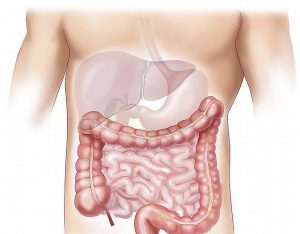
Cirrhosis of the liver can also lead to edema. Cirrhosis happens when healthy liver tissue is replaced by scar tissue, which makes it harder for the liver to do its many jobs.
Cirrhosis may be linked to alcohol-related liver disease, hepatitis, fatty liver disease or other causes. As the liver becomes more damaged, fluid can collect in the legs or in the abdomen, a condition known as ascites.
As noted by Mayo Clinic, symptoms of cirrhosis may include fatigue, easy bruising, itchy skin, yellowing of the skin or eyes and fluid buildup in the abdomen. The frustrating part is that symptoms may not appear until significant liver damage has already occurred.
Treatment depends on the cause and the stage of liver disease. Older treatment summaries, including this cirrhosis treatment overview, stress the importance of managing the underlying cause and preventing complications.
Everyday Triggers
Not every case of dependent edema is caused by a major medical diagnosis. Heat, pregnancy, high sodium intake, long car rides, long flights and being on your feet all day can all contribute to temporary swelling.
That said, swelling that is new, severe, one-sided, painful or paired with redness, warmth, chest pain or shortness of breath is not something to shrug off. I am all for not panicking, but I am also very much for not ignoring your body when it is waving a flag.
Symptoms
Dependent edema is usually easy to see, but the way it feels can vary. Some people mainly notice puffiness, while others feel tightness, heaviness or aching in the affected area.
Common symptoms can include:
- Swelling in the feet, ankles, legs, lower back or other dependent areas
- Skin that looks stretched, shiny or tight
- Pitting, which means a dent remains after you press on the swollen area
- A heavy or full feeling in the legs
- Shoes, socks or rings feeling tighter than usual
- Skin dryness, irritation or itching
- Leaking or weeping fluid from very swollen skin
- Lower urine output, depending on the cause
- Shortness of breath or breathing difficulty, especially when heart failure is involved
One-sided leg swelling deserves special attention, especially when it comes with pain, redness or warmth. That can sometimes signal a blood clot, and that is not a “wait and see how it looks next week” situation.
Treatment

Treatment for dependent edema depends on the cause. Mild swelling from sitting too long may improve with movement and elevation, while swelling caused by heart, kidney or liver disease needs medical guidance.
For mild edema, raising the affected area above the level of the heart can help fluid move back toward circulation. This is one of those simple recommendations that sounds almost too basic, but it can actually be helpful.
More significant edema may require medication. Diuretics, sometimes called water pills, help the body remove extra fluid through urine.
One commonly used diuretic is Lasix (furosemide). However, diuretics are not right for every cause of swelling, and using them without monitoring can affect electrolytes, kidney function and blood pressure.
To figure out what is causing the swelling, your healthcare provider will usually start with a physical exam and your medical history. They may ask when the swelling started, whether it improves overnight, whether one or both legs are affected and whether you have symptoms like shortness of breath, chest pain, fatigue or changes in urination.
Depending on your situation, testing may include blood tests, urine testing, a chest X-ray, an ultrasound of the leg veins, an echocardiogram or liver and kidney function tests. Not glamorous, but very useful.
Before Your Appointment
A little preparation can make the visit more productive. Bring a clear list so you do not have to rely on memory while sitting on the exam table in a paper gown, which is never anyone’s finest thinking environment.
Ask whether there is anything you need to do before the appointment. Some blood tests or imaging studies may call for specific preparation.
Make a list of your symptoms, even the ones that seem unrelated. The timing, location and pattern of swelling can give your doctor helpful clues.
Write down all medications, vitamins and supplements you take. Include over-the-counter pain relievers, because NSAIDs can sometimes contribute to fluid retention.
Bring a list of your medical conditions, recent surgeries, recent travel, injuries and family history. These details matter more than people sometimes realize.
Helpful questions to ask include:
- What is the most likely cause of my swelling?
- Do I need tests to check my heart, kidneys, liver or veins?
- Could one of my medications be causing or worsening this?
- Is this condition reversible?
- Should I wear compression stockings or avoid them?
- Do I need to limit sodium or fluids?
- What symptoms should send me to urgent care or the emergency room?
- How will we know whether treatment is working?
Your doctor may ask you some of the following questions:
- Does the swelling occur in one area or all over your body?
- Is the swelling on one side or both sides?
- How long have you had the swelling?
- Does it improve when you elevate the area?
- Is it worse at the end of the day?
- Do you have shortness of breath, chest pain or trouble lying flat?
- Have you had kidney, liver, heart or vein problems in the past?
- Do you consume alcohol?
- How much sodium do you typically eat?
- Have you recently traveled, had surgery or been less active than usual?
- Have you noticed changes in urination?
Self-Help Methods
There are several things that may help mild dependent edema, especially when your doctor has ruled out more serious causes. Think of these as supportive habits, not as a substitute for medical care when swelling is new or concerning.
Get Moving
Using the muscles in the affected area can help push fluid back toward the heart. For leg swelling, walking, ankle circles and calf raises may help, especially if you sit for long stretches.
Even small movement breaks can matter. Your legs were not exactly designed to sit under a desk for eight straight hours while your inbox ruins your mood.
Raise It Up
Elevate the swollen area above heart level several times a day when possible. For leg edema, lying down with the legs supported on pillows can be more effective than simply propping your feet on a low stool.
Some people also benefit from elevating their legs while resting in the evening. Just make sure the position is comfortable and does not put pressure behind the knees.
Massage
Gentle massage may help move fluid out of the affected area. Use light, steady strokes moving toward the heart, and stop if it causes pain.
Massage is not appropriate for every type of swelling. Avoid massaging a leg that is red, hot, painful or suddenly swollen, because those can be signs of a blood clot or infection.
Compression
Compression stockings, sleeves or gloves can help prevent fluid from collecting in certain areas of the body. They are often used for venous insufficiency, some forms of lymphedema and chronic leg swelling.
Do not guess your way into compression, especially if you have diabetes, poor circulation, severe heart failure or skin wounds. Your doctor can tell you what level of compression is safe and whether you should be measured for the right fit.
Watch Your Sodium
Sodium can contribute to fluid retention in some people, especially those with heart, kidney or liver disease. Sources from the CDC point out that much of the sodium in the American diet comes from packaged, restaurant and processed foods.
This does not mean you need to live on plain lettuce and sadness. It does mean reading labels, choosing lower-sodium options when possible and noticing how often salty foods show up in your day.
Keep Skin Clean and Moisturized
Swollen skin can become dry, stretched and more prone to cracking. Cracked skin can invite infection, which is definitely not the kind of bonus problem anyone needs.
Keep the area clean, dry and moisturized. Check your skin regularly for redness, warmth, sores, drainage or changes in color, especially if you have diabetes or circulation problems.
When to Get Medical Help
Call your healthcare provider if swelling is new, persistent, worsening or happening without an obvious reason. Also reach out if your swelling is interfering with walking, shoes, sleep or daily activities.
Seek urgent medical care if swelling comes with chest pain, shortness of breath, fainting, coughing blood, sudden one-sided leg swelling, severe pain, redness or warmth. Those symptoms can point to serious conditions, including heart failure complications, infection or a blood clot.
Conclusion
Dependent edema is common, but that does not mean it should be automatically dismissed. Sometimes it is related to long periods of sitting or standing, and sometimes it is the body’s way of pointing toward heart, kidney, liver, vein, lymphatic or medication-related issues.
The good news is that once the cause is identified, there are usually practical steps that can help. With the right medical evaluation, a few targeted lifestyle changes and treatment when needed, dependent edema can often be managed much more effectively.
Leave Feedback: Was this article helpful?