
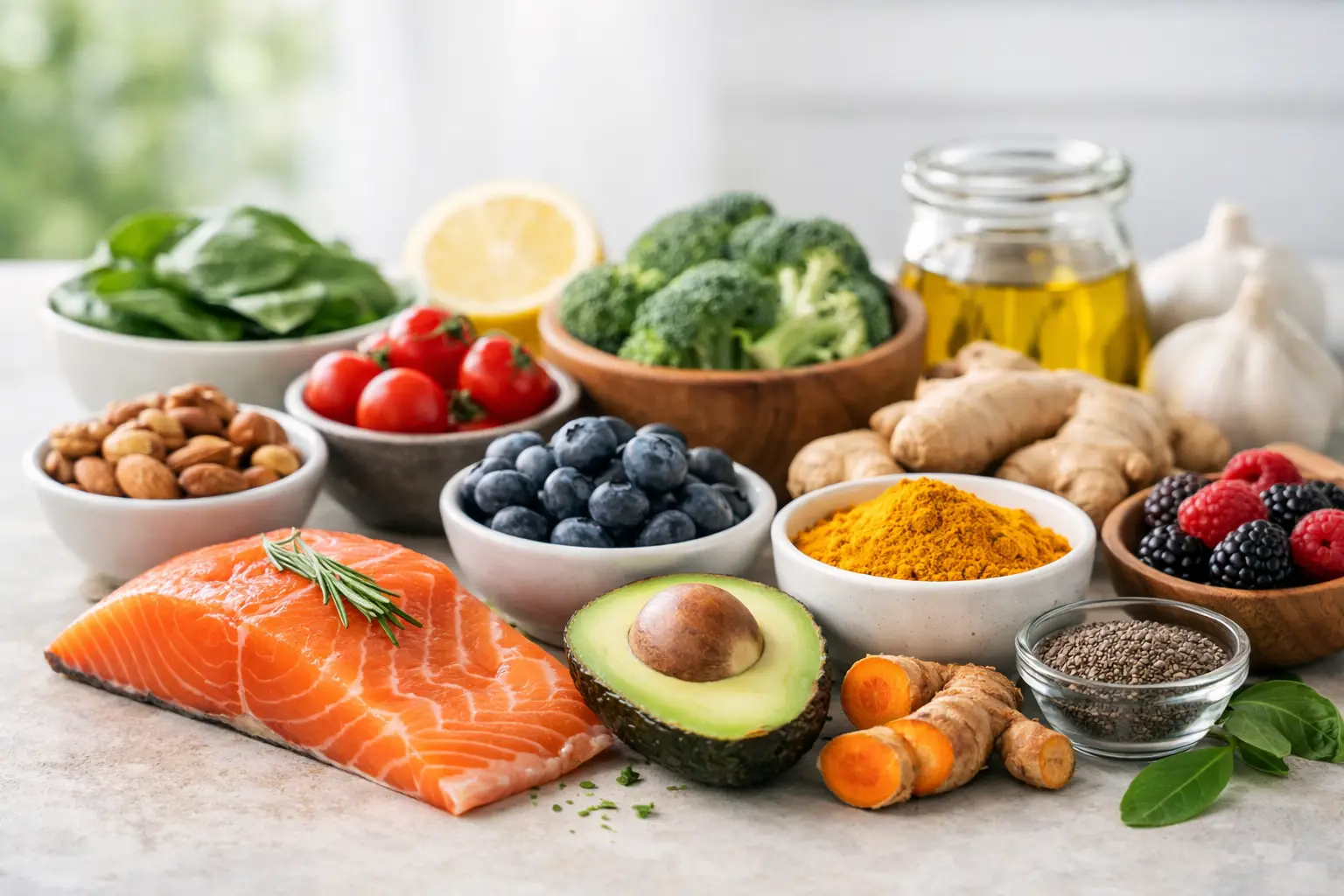
A sore knee after a workout is one thing. Feeling puffy, sluggish, achy, or run-down week after week is another. That is often why people start searching for foods that reduce inflammation – not because they want a perfect diet, but because they want to feel better in a way that fits real life.
Inflammation is not always bad. In fact, it is part of your body’s normal defense system. If you cut your finger or catch a virus, inflammation helps you heal. The problem is chronic, low-grade inflammation, which can stick around quietly over time and is linked with conditions such as heart disease, type 2 diabetes, arthritis, and some digestive issues. Food is not the only factor, but it is one of the most practical places to start.
How foods that reduce inflammation may help
No single ingredient flips inflammation off. What matters more is your overall eating pattern. Research consistently points toward diets rich in fiber, unsaturated fats, antioxidants, and plant compounds as being associated with lower inflammatory markers. On the other hand, a pattern built around ultra-processed foods, sugary drinks, frequent fried foods, and excess alcohol tends to push things in the other direction.
That does not mean you need to eat perfectly or label foods as good and bad. It means choosing anti-inflammatory options more often can support your body over time. Here are some of the most useful foods to keep in regular rotation.
1. Fatty fish
Salmon, sardines, mackerel, trout, and herring are among the best dietary sources of omega-3 fats, especially EPA and DHA. These fats are well studied for their role in helping regulate inflammatory processes in the body. They may be especially helpful for heart health and, for some people, joint comfort.
If you do not like fish, this is a good example of where it depends. Plant-based omega-3 sources like chia seeds and walnuts still offer benefits, but they provide ALA, which the body converts only in small amounts to EPA and DHA. So if seafood works for you, it is a strong option. If not, it is still possible to build an anti-inflammatory diet without it.
2. Berries
Blueberries, strawberries, raspberries, and blackberries are packed with anthocyanins, the natural compounds that give them their deep red, blue, and purple colors. These compounds have antioxidant and anti-inflammatory effects, which is one reason berries show up so often in research on healthy eating patterns.
Frozen berries are just as practical as fresh and often more affordable. Adding them to oatmeal, yogurt, or a smoothie is an easy upgrade that does not require a major diet overhaul.
3. Leafy greens
Spinach, kale, collard greens, arugula, and Swiss chard deliver vitamins, minerals, fiber, and a wide range of plant compounds. They also tend to replace less nutritious foods when you use them regularly, which is part of the benefit.
There is no need to force down giant salads if that is not your style. Greens can be folded into soups, scrambled eggs, pasta dishes, grain bowls, or smoothies. The best anti-inflammatory food is often the one you will actually keep eating.
4. Extra virgin olive oil
Extra virgin olive oil is a major reason Mediterranean-style eating patterns are often linked with lower inflammation and better long-term health outcomes. It contains monounsaturated fats and polyphenols, including oleocanthal, a compound that has been compared to anti-inflammatory effects seen in certain medications. That does not mean olive oil works like a drug, but it does help explain why it stands out nutritionally.
Quality matters here. Extra virgin olive oil is less refined than regular olive oil, so it keeps more of its natural compounds. Use it for salad dressings, roasted vegetables, or drizzling over beans, grain bowls, or cooked fish.
5. Nuts and seeds
Walnuts, almonds, pistachios, chia seeds, flaxseeds, and pumpkin seeds offer a useful mix of healthy fats, fiber, minerals, and antioxidants. Walnuts and flaxseeds are especially notable because they provide ALA omega-3s.
Portion size still matters because nuts are calorie-dense, but that should not scare you away from them. A small handful or a tablespoon or two of seeds can go a long way. They make convenient additions to yogurt, oatmeal, salads, and homemade snack mixes.
6. Beans and lentils
Beans and lentils are some of the most underrated foods for overall health. They are high in fiber, rich in plant protein, and support gut health by feeding beneficial bacteria in the digestive system. That matters because the gut and immune system are closely connected, and a healthier gut environment may help regulate inflammation.
If beans tend to upset your stomach, start small and increase gradually. Rinsing canned beans well can also help. For many people, tolerance improves as the body adjusts to a higher-fiber diet.
7. Tomatoes
Tomatoes provide vitamin C, potassium, and lycopene, a carotenoid that has been studied for antioxidant and anti-inflammatory effects. Cooked tomato products such as tomato sauce and tomato paste can make lycopene easier for the body to absorb, especially when eaten with a little fat like olive oil.
This is a helpful reminder that healthy eating is not limited to raw produce. A simple pasta sauce, chili, or vegetable soup can still contribute beneficial nutrients.
8. Cruciferous vegetables
Broccoli, Brussels sprouts, cauliflower, cabbage, and bok choy contain fiber and compounds such as sulforaphane that have drawn attention for their possible anti-inflammatory and protective effects. These vegetables also support general health in ways that go beyond inflammation.
Some people digest cooked cruciferous vegetables better than raw ones. Roasting, steaming, or sautéing can improve both flavor and tolerance, which makes consistency more likely.
9. Avocados
Avocados bring monounsaturated fat, fiber, potassium, and several antioxidants to the table. They are filling, versatile, and easy to add to meals without much prep. That combination makes them a realistic choice for busy adults trying to improve their diet without overcomplicating it.
They are higher in calories than many fruits and vegetables, so balance still matters. But used in reasonable portions, avocados fit well into an anti-inflammatory eating pattern.
10. Green tea
Green tea is not a food, but it belongs in the conversation. It contains catechins, especially EGCG, which have been studied for antioxidant and anti-inflammatory properties. For people who want a simple swap, replacing sugary drinks with unsweetened green tea can reduce added sugar intake while adding beneficial plant compounds.
If you are sensitive to caffeine, decaf green tea may be a better fit. And if tea is not your thing, there is no need to force it. This is about useful options, not a checklist.
11. Herbs and spices
Turmeric, ginger, garlic, cinnamon, and rosemary can add more than flavor. Many herbs and spices contain compounds that may help reduce inflammation, although the effect depends on the amount used and the rest of your diet. Turmeric gets a lot of attention because of curcumin, but using it occasionally in tiny amounts is not the same as following an anti-inflammatory eating pattern overall.
Still, these ingredients are worth using more often. They can help you rely less on heavily processed sauces and seasonings while making healthy foods taste better.
Foods that may increase inflammation
It helps to look at the other side of the picture too. Foods most often associated with higher inflammation include sugary beverages, refined carbs, heavily processed snacks, fried foods, processed meats, and excessive alcohol. This does not mean one burger or dessert causes chronic inflammation on its own. The bigger issue is the regular pattern.
That is good news, because it means your diet does not have to be perfect to move in a healthier direction. Even replacing one daily soda with tea or water, or swapping chips for nuts a few times a week, can be a practical step.
How to build meals around anti-inflammatory foods
The easiest way to eat more of these foods is to think in combinations, not superfoods. A bowl of oatmeal with berries and walnuts works. So does grilled salmon with roasted broccoli and olive oil, or a bean-based soup with tomatoes, greens, and garlic.
If you want a simple framework, aim to include a fruit or vegetable at most meals, choose healthy fats more often, and get fiber-rich foods such as beans, lentils, oats, or whole grains into your day. Small repeated choices matter more than occasional perfect ones.
It is also worth being realistic about expectations. Food can support lower inflammation, but it cannot replace medical care when symptoms are significant or persistent. If you have ongoing joint pain, digestive symptoms, fatigue, or a condition like rheumatoid arthritis or inflammatory bowel disease, talk with a qualified healthcare professional. In some cases, certain foods help one person and bother another.
A helpful way to think about inflammation is that your plate can either add to the daily load or help lighten it. You do not need a trendy cleanse or a cabinet full of supplements to get started. More often, the most effective foods that reduce inflammation are the ordinary ones you can buy easily, cook simply, and keep coming back to every week.
Leave Feedback: Was this article helpful?