
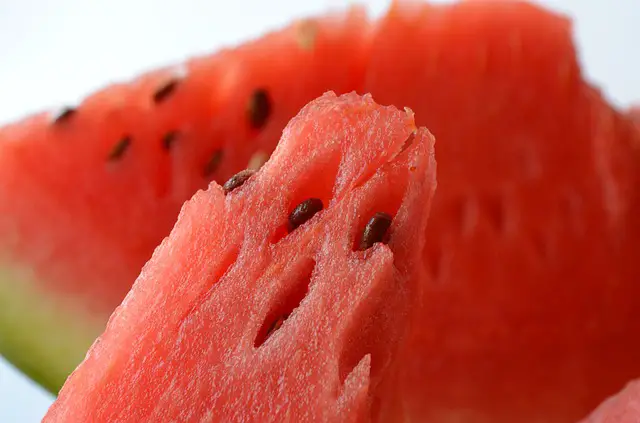
Watermelon – a Delicious Summer Fruit
Most people know watermelon as the bright, juicy summer fruit that shows up at cookouts, picnics and, somehow, all over your kitchen counter once you start cutting it. It’s sweet, refreshing and easy to eat without thinking too much about whether it actually brings anything to the nutrition table.
Good news: it does.
Watermelon is common as a candy flavor, sorbet flavor, popsicle, lollipop, juice and smoothie ingredient. It can even show up in cocktails and liqueurs at resorts and beach bars, because apparently watermelon is not satisfied with being just a fruit.
But Did You Know That There Are Many Health Benefits to Eating Watermelon?
Most people eat the flesh of the watermelon raw, toss it into fruit salad or blend it into drinks. The seeds and rind, however, usually get ignored, which is a little unfair considering both are edible.
And a quick note on seedless watermelon: it is not typically the result of “genetic modification” in the scary way many people use that phrase. Seedless watermelons are produced through plant breeding methods that create fruit with soft, undeveloped white seeds, which makes them easier to eat and much less likely to interrupt a perfectly good summer snack.
What is Watermelon?
Watermelon is a fruit that grows on a vine, and like other melons, it has a thick outer rind and soft, juicy flesh inside. It is part of the gourd family, which also includes cucumbers, pumpkins and squash.
There are many types of melons available, including watermelon, cantaloupe, honeydew, tiger melon and several less common varieties. Watermelon is believed to have originated in Africa, and today it is grown in warm regions all around the world.
Thanks to global produce distribution, watermelon can now be found in many supermarkets even in places where it does not grow naturally. Major producers include China, Turkey, India, Brazil and several countries across Africa and the Middle East.
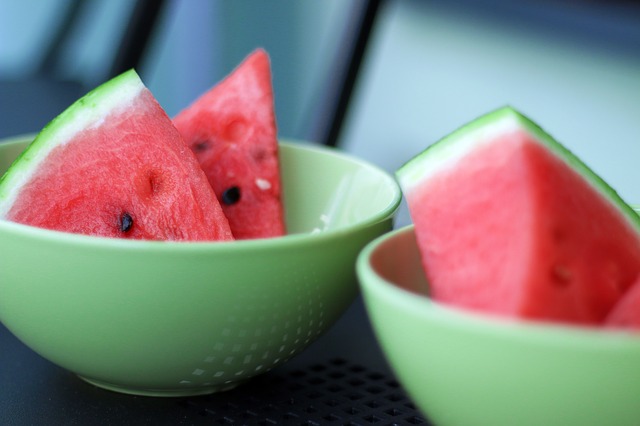
Watermelon is usually round or oval, but farmers in Japan famously found a way to make it a little more dramatic by growing watermelon in cubic form. These square watermelons are more of a novelty item than a practical grocery-cart staple.
While they may be easier to stack and certainly make for a fun conversation piece, many are harvested before they fully ripen in order to hold that cube shape. Which means they may not taste as sweet as the regular, beautifully imperfect round ones.
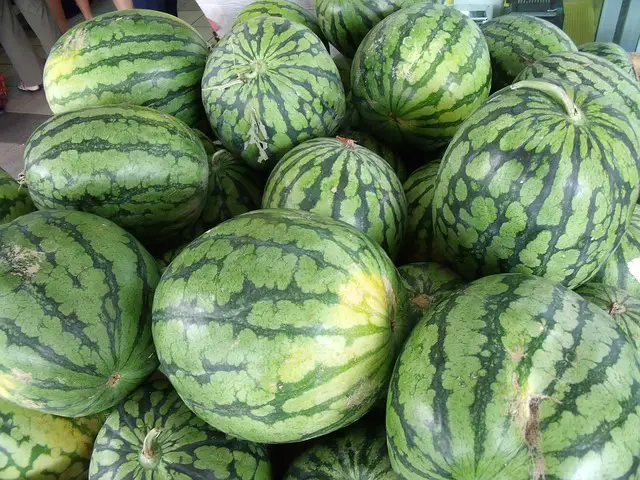
Watermelon is best known for its smooth green rind, often striped, and its bright red or pink flesh. But there are also yellow, orange and even white-fleshed varieties.
Those varieties are less common, but they are still watermelon and can be just as refreshing. Personally, I’m still partial to the classic red slice, preferably cold from the fridge and eaten outside where the juice can drip freely without anyone judging.
Nutritional Facts
Watermelon contains very little fat and sodium, and it provides water, natural carbohydrate, potassium, vitamin C, vitamin A and small amounts of magnesium. Based on USDA FoodData Central, one cup of diced raw watermelon has about 46 calories, around 11 grams of carbohydrate and more than 90% water.
That high water content is one of the reasons watermelon feels so satisfying in hot weather. It is not magic hydration, but it absolutely counts as a fluid-rich food.
Watermelon also contains citrulline, an amino acid that has been studied for its role in nitric oxide production and blood vessel function. Some research, including a study indexed by the National Library of Medicine, has looked at watermelon or citrulline in relation to cardiovascular risk factors, although the results should not be treated like a prescription.
Citrulline is involved in the body’s production of nitric oxide, which can support vasodilation, or the widening of blood vessels. Vasodilators are also used medically for certain blood pressure conditions, as explained by WebMD, but eating watermelon is not the same thing as taking a medication.
Watermelon also contains lycopene, the antioxidant pigment that gives red watermelon its color. Tomatoes usually get all the lycopene attention, but watermelon deserves a seat at that table too.
Lycopene is a carotenoid, and studies continue to examine its possible role in heart health, inflammation and oxidative stress. Beta-carotene, another carotenoid, is important for the health of skin and vision, and WebMD notes that the body can convert beta-carotene into vitamin A.
The rind, or outer white-green part of the watermelon, is less sweet than the flesh, which is probably why most of us do not fight over it. Still, it is edible and can be pickled, stir-fried or used in relishes to reduce food waste.
Health Benefits of Watermelon
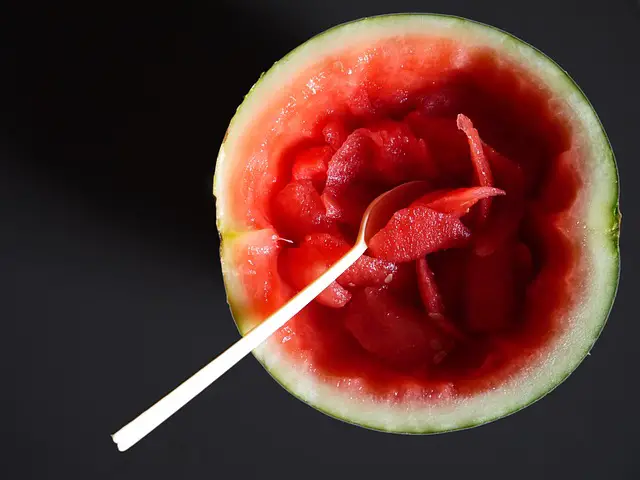
Much like cucumbers and other melons, watermelon is an excellent food for hydration because it has such a high water content. This is especially helpful in summer, after time outside or when you just want something cold and refreshing that is not another plain glass of water.
Short answer: watermelon is not a miracle food. But it is a nutrient-rich fruit that can fit beautifully into an overall healthy eating pattern.
One of watermelon’s biggest benefits is that it gives you volume, sweetness and hydration for relatively few calories. That can make it a helpful snack for people who want something satisfying between meals without reaching straight for cookies or chips every time.
It also provides vitamin C, which supports immune function and helps the body produce collagen. That matters for skin, blood vessels and wound healing, though sadly it does not mean watermelon is a substitute for sunscreen.
Watermelon has been shown in animal research to improve some markers related to heart health and weight gain. Animal studies are useful, but I always like to be clear here: mice are not tiny humans with grocery budgets and snack drawers.
In humans, the heart-health interest is mostly tied to watermelon’s citrulline, lycopene, potassium and overall fruit content. The American Heart Association encourages people to eat a variety of fruits and vegetables daily, and watermelon can certainly be part of that mix.
Because watermelon is low in sodium and provides potassium, it can also fit into eating patterns that support healthy blood pressure. Of course, that is assuming you are not eating it next to a giant pile of salty chips and calling the whole plate “balanced.”

Watermelon Juice
Watermelon juice has been linked in some studies to reduced muscle soreness after exercise. The likely reason is its natural citrulline content, though the amount you would need can vary quite a bit.
Watermelon juice also contains water and natural sugars, which may help with quick refueling after a sweaty workout. For most people, though, it should be thought of as a refreshing drink, not a sports nutrition miracle.
The citrulline in watermelon has also been studied in relation to blood pressure, and some reports have suggested that watermelon may help support vascular function. Still, anyone with high blood pressure should not replace medical care with a fruit bowl, no matter how pretty that fruit bowl is.
Because watermelon is so full of water, it can help with hydration-related issues such as thirst, mild fatigue or feeling a little sluggish in hot weather. Serious dehydration, however, needs more than watermelon cubes and optimism.
Another easy way to enjoy it is to add cubes of watermelon to plain water. It gives the water a light sweetness and makes staying hydrated feel a little less like a chore.
Watermelon also makes a great smoothie base, especially with lime, mint, berries or plain Greek yogurt. It is also very good frozen into cubes and blended into a slushy, which is basically summer in a glass.
Watermelon Seeds
Watermelon seeds also contain nutrients, even though most people either spit them out or avoid them completely by buying seedless watermelon. They can provide protein, minerals and healthy fats when dried or roasted.
Research has identified watermelon seeds as a possible source of protein, and they also contain nutrients such as magnesium, iron and zinc. They are not usually eaten in huge amounts, but roasted watermelon seeds can be a crunchy snack, similar to pumpkin seeds.
Watermelon seed oil is also available, though it is less common than olive, avocado or canola oil. For everyday eating, I would not say you need to hunt it down, but it is one more reminder that we often waste perfectly usable parts of food.
Health Risks
As with any food, it is important not to go overboard. Watermelon is healthy, but eating a very large amount can cause stomach discomfort, bloating or diarrhea in some people, especially because it contains natural sugars and fermentable carbohydrates.
People with diabetes or blood sugar concerns can still often enjoy watermelon, but portion size matters. The American Diabetes Association notes that carbohydrate-containing foods can affect blood glucose, and fruit should be counted as part of the overall meal plan.
Watermelon also contains potassium, which is normally a good thing. For people with advanced kidney disease or those on potassium-restricted diets, however, potassium intake may need to be monitored with help from a medical professional.
There is also the issue of lycopene. While lycopene is considered beneficial in normal food amounts, consuming extremely high amounts from supplements or large quantities of lycopene-rich foods could potentially cause digestive upset in sensitive individuals.
For most healthy adults, a cup or two of watermelon can fit easily into a balanced diet. The real key is variety, because no single fruit, not even one as cheerful as watermelon, can do everything.
Bottom Line
Watermelon is hydrating, naturally sweet, low in calories and a good source of vitamin C, lycopene and other beneficial plant compounds. It can support a healthy diet, especially when it replaces more heavily processed sweet snacks.
But, as always, the whole diet matters more than one food. Enjoy the watermelon, maybe even try the rind or roasted seeds if you’re feeling adventurous, and please do not feel the need to turn it into a wellness assignment every time you take a bite.
Leave Feedback: Was this article helpful?