
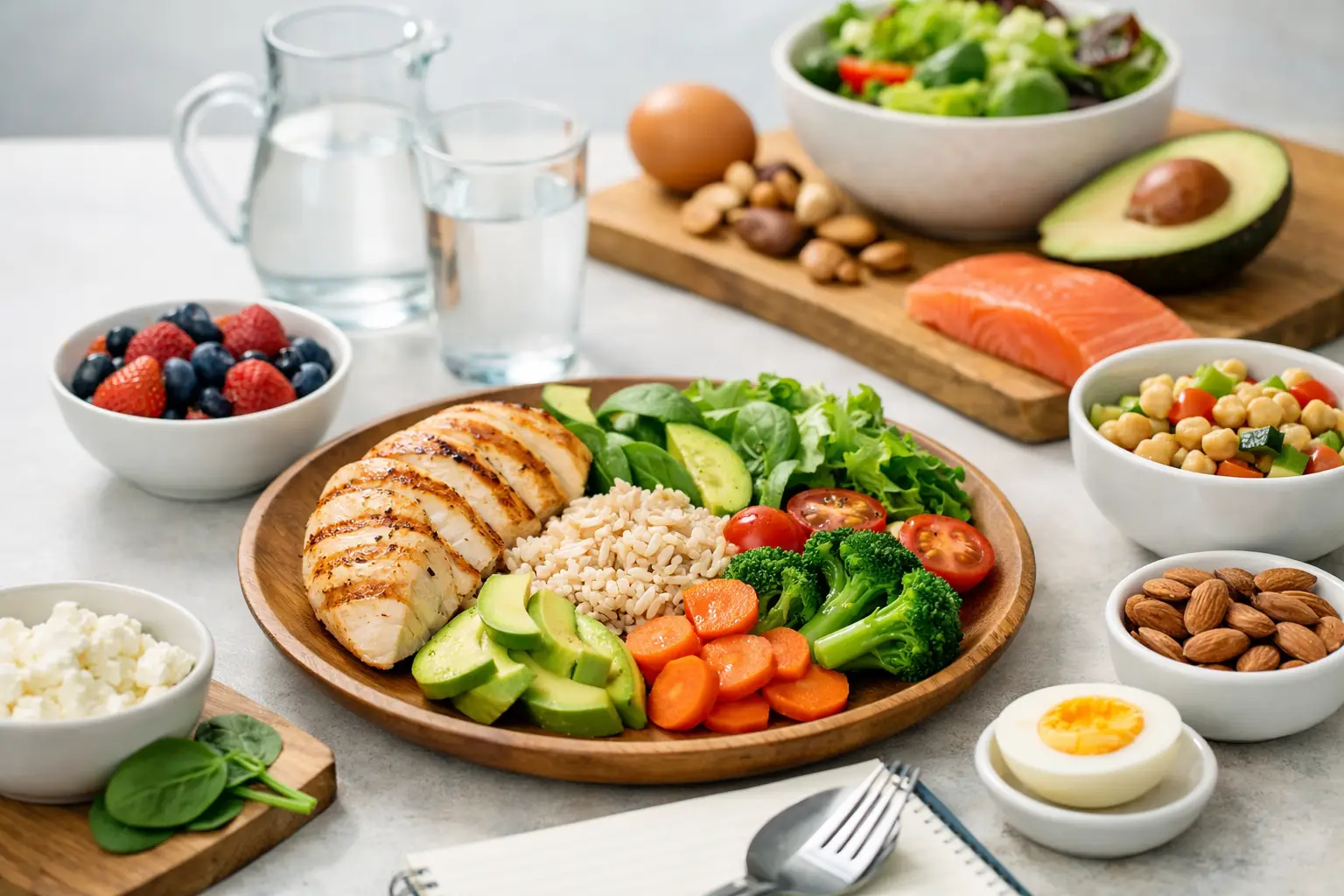
A healthy eating plan does not have to look like grilled chicken and broccoli at every meal. A practical balanced diet meal plan example should feel realistic enough for a workday, flexible enough for family life, and nutritious enough to cover your body’s basic needs without turning food into a math project.
That is the goal here: not perfection, but balance. For most adults, a balanced diet includes a mix of protein, high-fiber carbohydrates, healthy fats, and a variety of fruits and vegetables. It also leaves room for personal preferences, cultural foods, budgets, and schedules. If your current routine feels random or overly restrictive, using a simple meal plan can make healthy eating easier to repeat.
What a balanced diet meal plan example should include
A balanced diet is less about one “perfect” food and more about the pattern of what you eat over time. Research consistently supports eating habits centered on vegetables, fruits, whole grains, legumes, nuts, lean proteins, and unsaturated fats while limiting excess added sugar, sodium, and highly processed foods.
In everyday terms, that means most meals work best when they include a protein source, a carbohydrate that provides fiber or steady energy, and some fat for satisfaction. Fruits and vegetables add vitamins, minerals, antioxidants, and fiber, which support digestion, heart health, and overall wellness.
Portion needs vary depending on age, body size, activity level, medical conditions, and goals like weight loss or muscle gain. A balanced meal plan for a very active person may need more calories and carbohydrates than one for someone with a desk job. That is why examples are useful as a starting point, not a rulebook.
A 1-day balanced diet meal plan example
This sample day is built for general healthy eating. It is not a medical meal plan, but it gives you a clear picture of what balance can look like across breakfast, lunch, dinner, and snacks.
Breakfast
Try a bowl of plain Greek yogurt topped with berries, rolled oats, chia seeds, and a small handful of walnuts. Pair it with water, coffee, or tea without too much added sugar.
This meal provides protein from the yogurt, fiber-rich carbohydrates from oats and fruit, and healthy fats from walnuts and chia seeds. It is also filling enough for many adults to avoid the mid-morning crash that often follows a pastry or sugary cereal.
If you prefer savory foods in the morning, two eggs with whole grain toast and sliced avocado plus a piece of fruit can work just as well. The best breakfast is one that you will actually eat consistently.
Mid-morning snack
An apple with peanut butter is a simple option that balances fiber and fat. Cottage cheese with pineapple, or baby carrots with hummus, can do the same job.
Not everyone needs a snack between meals. If your breakfast keeps you full until lunch, skipping it is fine. Meal timing matters less than the overall quality and quantity of what you eat during the day.
Lunch
A grain bowl makes balance easy. Start with brown rice or quinoa, add grilled chicken or baked tofu, then include mixed vegetables such as spinach, cucumbers, cherry tomatoes, shredded carrots, and roasted peppers. Finish with olive oil-based dressing or avocado.
This kind of lunch is useful because it is adaptable. You can swap the grain, use beans instead of meat, or build it from leftovers. It also packs in several food groups without feeling complicated.
A turkey and veggie sandwich on whole grain bread with a side salad and fruit is another solid option. The point is not to eat trendy meals. It is to create a plate with enough protein, fiber, and produce to keep you satisfied and nourished.
Afternoon snack
A small handful of almonds with a banana, or whole grain crackers with cheese, can bridge the gap to dinner without leaving you overly full.
If you are trying to lose weight, snacks can help prevent the kind of extreme hunger that leads to overeating later. On the other hand, if you tend to snack out of boredom rather than hunger, planned meals may work better than adding extra eating occasions.
Dinner
A balanced dinner might include baked salmon, roasted sweet potato, and steamed broccoli with a side salad. This meal offers protein, omega-3 fats, fiber, and a broad mix of vitamins and minerals.
If fish is not your thing, try lean ground turkey tacos on corn tortillas with black beans, salsa, cabbage slaw, and avocado. That still checks the same boxes: protein, fiber-rich carbs, healthy fat, and vegetables.
Dessert or evening option
Dessert can fit into a balanced diet. Greek yogurt with cinnamon, fruit with a square of dark chocolate, or a modest serving of ice cream can all work depending on your preferences.
Balance is not ruined by one enjoyable food. In fact, plans that leave no room for flexibility often become harder to maintain.
How to build your own balanced diet meal plan example
Once you understand the pattern, you do not need a scripted menu every day. A reliable way to build meals is to think in parts.
Start with protein. This could be eggs, Greek yogurt, chicken, turkey, fish, tofu, tempeh, beans, lentils, or cottage cheese. Protein supports muscle maintenance and tends to improve fullness.
Next, add a carbohydrate source that brings energy and ideally some fiber. Whole grains, fruit, beans, potatoes, sweet potatoes, oats, and higher-fiber breads are common choices. Carbohydrates are often unfairly blamed for every nutrition problem, but they are a key part of a balanced eating pattern.
Then add fat. Nuts, seeds, avocado, olive oil, and fatty fish help with satiety and nutrient absorption. Fat is essential, but portion size matters because it is calorie-dense.
Finally, add produce. Vegetables and fruit bring bulk, color, and nutrients that are hard to replace with supplements alone. Frozen produce counts too, and for many households it is more affordable and less wasteful.
A few trade-offs to keep in mind
Healthy eating gets oversimplified online. Real life is messier. A home-cooked meal is often easier to control for ingredients, but convenience foods can still fit when time is tight. Rotisserie chicken, bagged salad kits, frozen vegetables, canned beans, and microwaveable brown rice can help you eat well with less effort.
Budget matters too. Fresh salmon, berries, and specialty grains are nutritious, but they are not the only nutritious foods. Canned tuna, eggs, peanut butter, bananas, oats, potatoes, and frozen spinach can support the same goal at a lower cost.
There is also no single “best” ratio of carbs, fat, and protein for everyone. Someone training hard may feel better with more carbohydrates. Someone with diabetes may need more structure around carb choices and meal timing. People with kidney disease, food allergies, digestive conditions, or other medical concerns may need a more personalized approach.
Common mistakes that make a meal plan feel unbalanced
One common issue is under-eating earlier in the day, then becoming ravenous at night. Skipping breakfast is not automatically unhealthy, but if it leads to chaotic eating later, a more even routine may help.
Another issue is treating healthy meals as meals that must be low-calorie at all costs. A salad with almost no protein or fat may look healthy, but it may not keep you full for long. Balance includes enough food, not just the “right” foods.
It is also easy to over-focus on single ingredients while ignoring the overall pattern. One processed snack does not cancel out an otherwise nutrient-dense day. Likewise, adding a green smoothie does not automatically balance a diet that is low in protein, fiber, or total variety.
When a sample meal plan can be especially useful
A meal plan example can be helpful if you are starting a weight loss journey, trying to eat more consistently, or recovering from years of confusing nutrition advice. It gives you a simple framework you can repeat, adjust, and make your own.
At The Healthy Apron, that practical approach matters. Most people do not need a complicated nutrition system. They need trustworthy guidance they can use on a Tuesday when they are busy, tired, and trying to make dinner from what is already in the fridge.
If you want to start small, pick one meal tomorrow and balance it using the protein-carb-fat-produce formula. Then repeat that at the next meal. Healthy eating usually works best when it becomes familiar enough to do without overthinking every bite.
Leave Feedback: Was this article helpful?