
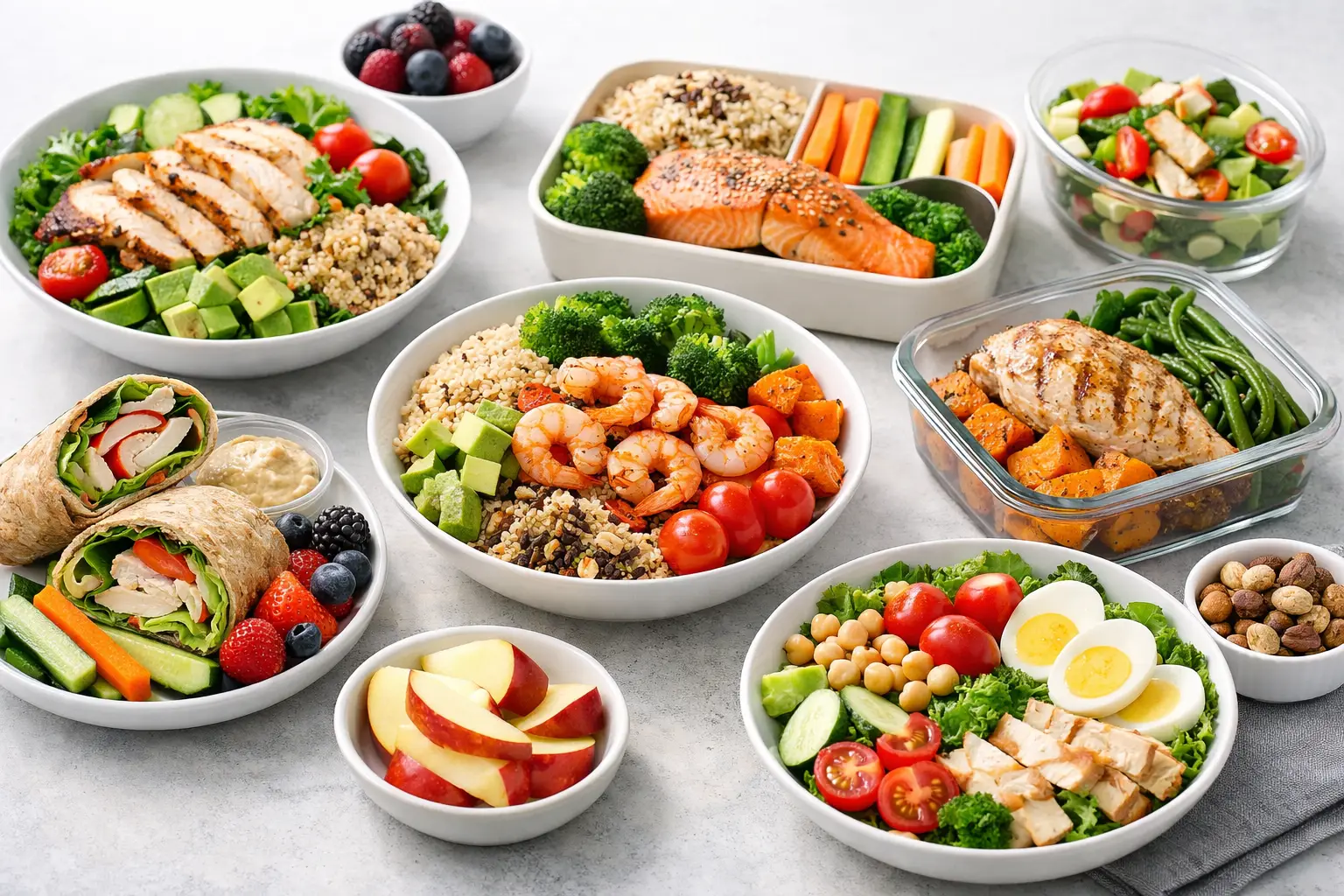
Lunch is often where good intentions fall apart. Breakfast may be rushed but manageable, and dinner usually gets more planning. Lunch, on the other hand, is where many people end up with a pastry, a sad desk salad, or whatever is easiest. If you are looking for balanced lunch meal examples that are realistic, filling, and supportive of your health goals, the key is not perfection. It is building a meal with the right mix of nutrients.
A balanced lunch usually includes protein, fiber-rich carbohydrates, healthy fats, and fruits or vegetables. That combination can help support steady energy, better fullness, and fewer late-afternoon cravings. Exact needs vary by age, activity level, health conditions, and calorie needs, but the overall pattern is reliable and widely supported by nutrition guidance.
What makes a lunch balanced?
A balanced meal does more than just avoid hunger for an hour. Protein helps with satiety and muscle maintenance. Fiber-rich carbs, such as whole grains, beans, fruit, and starchy vegetables, provide energy that tends to be more steady than highly refined options. Healthy fats from foods like avocado, nuts, seeds, and olive oil add satisfaction and support nutrient absorption.
Vegetables matter here too, not just because they are low in calories, but because they add volume, texture, vitamins, minerals, and fiber. A lunch built around only lettuce and low-fat dressing may look healthy, but it often leaves people hungry soon after. On the other hand, a lunch that is heavy on refined carbs and low in protein can lead to an energy crash by midafternoon.
This is where balanced lunch meal examples can be helpful. Instead of memorizing rules, you can use real meal ideas that already have the pieces in place.
10 balanced lunch meal examples
1. Grilled chicken grain bowl
Start with brown rice, quinoa, or farro, then add grilled chicken, roasted vegetables, and a spoonful of hummus or a drizzle of olive oil-based dressing. This works because it gives you protein, complex carbs, fat, and produce in one bowl.
If you are trying to stay full longer, this is a strong option. If you need a lighter lunch, use more nonstarchy vegetables and a smaller portion of grains. The bowl format is flexible, which makes it useful for meal prep.
2. Turkey and avocado whole grain wrap
A whole grain wrap with sliced turkey, avocado, lettuce, tomato, and a side of fruit is simple and practical for workdays. Turkey adds lean protein, avocado contributes healthy fat, and the wrap plus fruit provide carbohydrates and fiber.
The trade-off is that wraps can become high in sodium if they rely heavily on deli meat and packaged sauces. Choosing lower-sodium turkey when possible and adding more vegetables can improve the overall balance.
3. Salmon salad with beans
A hearty salad with salmon, mixed greens, cucumbers, tomatoes, beans, and olive oil vinaigrette is a more satisfying version of the standard lunch salad. Salmon provides protein and heart-healthy fats, while beans add fiber and extra staying power.
This is a good example of why salads are not automatically light or balanced. A salad built with enough protein and fiber can be a complete meal. A salad made mostly of greens and croutons usually is not.
4. Lentil soup with whole grain toast and yogurt
Soup can make an excellent lunch when it includes enough substance. Lentil soup offers plant protein, fiber, and carbohydrates, and pairing it with whole grain toast and plain Greek yogurt rounds it out well.
This combination works especially well in colder months or for anyone who prefers a warm lunch. If the soup is store-bought, sodium can be higher, so it is worth checking the label when that is a concern.
5. Egg and veggie lunch box
Hard-boiled eggs, whole grain crackers, sliced vegetables, fruit, and a small handful of nuts make a balanced lunch that requires almost no cooking. It is portable and easy to portion.
This kind of lunch box works best for people who like snack-style meals. Some people find it satisfying, while others prefer a more traditional plated lunch. If you tend to stay hungry with lighter lunches, adding cottage cheese or a bean salad can make it more filling.
6. Tofu stir-fry with brown rice
Tofu stir-fried with broccoli, snap peas, carrots, and a light sauce over brown rice is a strong plant-based lunch option. It covers the basics well and can be tailored to different flavor preferences.
For some people, plant-based lunches feel less filling, but that usually comes down to portion balance. If the meal is heavy on vegetables and light on tofu or rice, hunger can return quickly. A generous serving of protein and enough carbs usually solves that problem.
7. Tuna and white bean salad
Mix tuna with white beans, chopped celery, red onion, olive oil, lemon, and herbs, then serve it over greens or with whole grain toast. This meal is rich in protein and fiber without requiring much preparation.
It is especially useful when you need something fast from pantry staples. If you do not enjoy tuna, canned salmon or chickpeas can work in a similar way.
8. Burrito bowl with rice, beans, and chicken
A burrito bowl with grilled chicken, black beans, brown rice, salsa, fajita vegetables, and guacamole can be balanced and satisfying. The ingredients are familiar, which makes this one easier to stick with long term.
The catch is portion size. Restaurant versions can become oversized very quickly, especially when cheese, sour cream, and chips are added on top. A homemade version or a carefully built takeout order often works better.
9. Cottage cheese bowl with fruit and seeds
Cottage cheese paired with berries, sliced apple, pumpkin seeds, and whole grain toast may sound more like breakfast, but it can absolutely work for lunch. It offers protein, fiber, healthy fat, and carbohydrates in a quick format.
This option is best for days when you want something light but still structured. If you need more staying power, add a side of edamame or a boiled egg.
10. Leftover lean protein, sweet potato, and vegetables
One of the most practical balanced lunches is simply a dinner-style plate made from leftovers. Grilled chicken, turkey meatballs, baked tofu, or fish with sweet potato and roasted vegetables checks all the main boxes.
This may be the easiest lunch to maintain because it removes decision-making. It also tends to be more balanced than many packaged convenience foods.
How to build your own balanced lunch meal examples
If none of these meals sounds right for your routine, use a simple build-your-own approach. Start with a protein source such as chicken, fish, eggs, tofu, Greek yogurt, beans, or lentils. Add a fiber-rich carbohydrate like brown rice, quinoa, whole grain bread, fruit, beans, or sweet potato. Then include vegetables and a source of healthy fat.
You do not need exact ratios at every meal. Some lunches will be higher in carbs if you are active or exercising later. Others may be lighter if you had a large breakfast. What matters most is the overall pattern.
Common lunch mistakes that can backfire
One common mistake is making lunch too small in an effort to eat healthier. That often leads to overeating later in the day. Another is relying on foods labeled as healthy that are low in protein and fiber, such as a smoothie alone or a very basic side salad.
Skipping lunch altogether can also backfire for some people, especially if it leaves them overly hungry by dinner. That said, there is no single lunch style that works for everyone. People with diabetes, digestive conditions, or other nutrition-related health needs may need a more personalized approach.
Balanced lunch meal examples for busy days
When time is limited, convenience matters. Rotisserie chicken, canned beans, bagged salad kits, microwaveable brown rice, plain yogurt, frozen vegetables, and hard-boiled eggs can all make balanced lunches easier. Convenience foods are not automatically unhealthy. Often, they are what make a nutritious meal possible on a busy weekday.
The goal is not to create a picture-perfect lunch every day. It is to build meals that are reliable enough to support your energy, hunger, and health habits without adding unnecessary stress.
A balanced lunch should help you feel nourished, not restricted. If your current lunch leaves you tired, distracted, or hungry an hour later, a few small changes can make a noticeable difference.
Leave Feedback: Was this article helpful?