
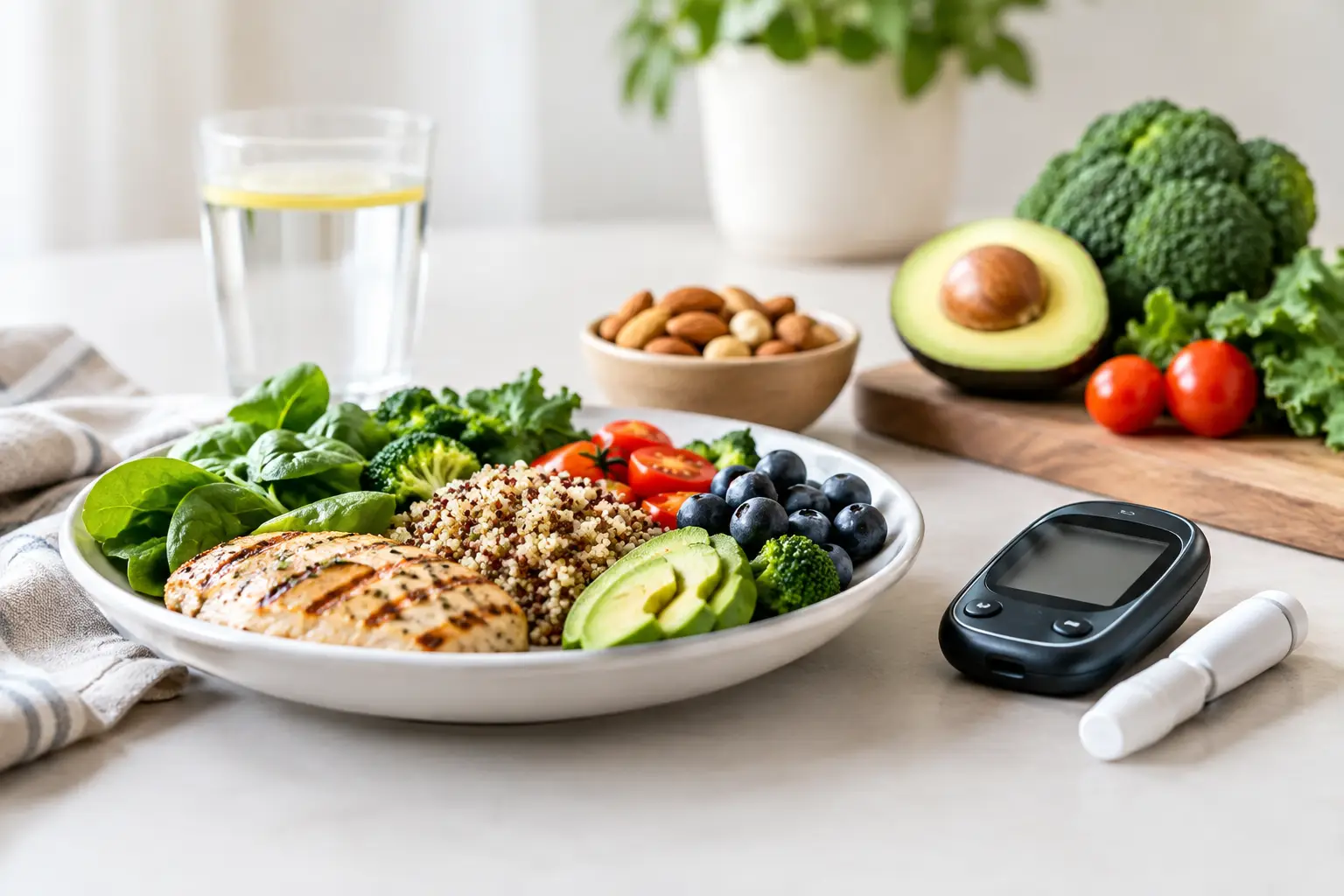
A midafternoon energy crash, intense hunger an hour after lunch, or feeling shaky when meals run late can make blood sugar feel like a mystery. This blood sugar balance guide explains what steadier blood sugar looks like in everyday life and how food, movement, sleep, and medical conditions can affect it.
Blood sugar, also called blood glucose, is the main fuel circulating in your bloodstream. Your body breaks down carbohydrates into glucose, then uses insulin to help move that glucose into cells for energy. This system is meant to change throughout the day. The goal is not perfectly flat blood sugar readings, but fewer dramatic highs and lows that leave you feeling unwell or make diabetes harder to manage.
What Blood Sugar Balance Actually Means
Blood sugar naturally rises after you eat, especially after meals containing carbohydrates. In response, the pancreas releases insulin. For most people without diabetes, insulin brings blood glucose back toward a normal range over the next few hours.
“Balanced” blood sugar is often used loosely online, sometimes to market supplements or restrictive diets. A more reliable definition is practical: eating patterns and daily habits that support stable energy, appropriate hunger cues, and healthy glucose levels over time. For people with diabetes or prediabetes, it also means following an individualized care plan and monitoring glucose when advised.
A single higher-carb meal does not mean you have harmed your metabolism. Patterns matter more than perfection. So does context. A bowl of fruit may affect your blood sugar differently depending on whether you eat it alone, add it to yogurt and nuts, exercise afterward, or take glucose-lowering medication.
Why Blood Sugar Can Rise and Fall Sharply
Carbohydrates have the most direct effect on blood glucose, but they are not the only factor. Highly refined carbohydrates and sugary drinks digest quickly and can raise glucose faster than foods rich in fiber. Portion size matters, too. Even nutrient-dense carbohydrates can raise blood sugar substantially when portions are much larger than your body needs at one meal.
Meals that combine carbohydrates with protein, fat, and fiber usually digest more gradually. That does not make fat or protein a cure for high blood sugar. It simply means a mixed meal often creates a slower glucose response than a sweet drink or a plate of refined grains eaten by itself.
Sleep, stress, illness, hormonal changes, and certain medications can also affect glucose. Cortisol and other stress hormones may prompt the liver to release stored glucose. That is one reason people can see higher fasting readings during stressful periods, even if their food routine has not changed much.
Physical activity usually helps muscles use glucose for energy. Still, the response varies. A gentle walk after dinner may lower glucose for many people, while very intense exercise can temporarily raise it because of stress hormones. If you use insulin or medicines that can cause low blood sugar, activity plans should be discussed with your health care team.
A Blood Sugar Balance Guide for Building Better Meals
You do not need to remove all carbohydrates to support healthy blood sugar. Carbohydrate foods provide energy, and many also supply fiber, vitamins, minerals, and plant compounds. The useful skill is choosing quality sources, creating balanced plates, and eating amounts that fit your needs.
Start with fiber-rich carbohydrates
Fiber slows digestion and supports fullness. It is found in beans, lentils, vegetables, fruit, oats, barley, whole grains, nuts, and seeds. Swapping white toast for whole-grain toast or sugary cereal for oatmeal may be a helpful change, but overall meal composition still matters.
Fruit deserves special mention because it is often unfairly treated as off-limits. Whole fruit contains fiber and nutrients, and it can fit well into a blood sugar-conscious eating pattern. Juice is different: it is easier to consume quickly and has little of the fiber that slows absorption. When possible, choose the whole orange over orange juice.
Add protein and healthy fats
Including protein at meals can improve fullness and help prevent the cycle of eating a carb-heavy snack, feeling hungry again soon afterward, and reaching for more quick energy. Eggs, fish, chicken, tofu, Greek yogurt, cottage cheese, beans, and lentils are practical options.
Healthy fats from foods such as avocado, olive oil, nuts, seeds, and fatty fish can also make meals more satisfying. Portion awareness still applies, since fats are calorie-dense. For weight management, adding several handfuls of nuts to every snack may work against your goals even though nuts are nutritious.
Use a simple plate structure
A helpful starting point is to fill about half your plate with non-starchy vegetables, reserve one quarter for protein, and use the remaining quarter for a high-fiber carbohydrate such as brown rice, beans, sweet potato, or whole-grain pasta. Add a source of healthy fat if desired.
This is a flexible visual tool, not a rule that must be followed at every meal. A bowl of chili, a turkey sandwich with vegetables, or a breakfast of eggs, berries, and whole-grain toast can all meet the same basic principle: pair carbohydrates instead of eating them in isolation.
Everyday Habits That Support Steadier Glucose
Food is only one part of the picture. These four habits can make a meaningful difference over time:
- Avoid long stretches without food if they lead to overeating later. Some people feel fine with a longer overnight fast, while others become overly hungry and choose less satisfying foods. The best schedule is one you can maintain without feeling deprived.
- Choose water most often. Soda, sweet tea, energy drinks, and specialty coffee drinks can deliver a large amount of added sugar with little fullness. If you enjoy them, reducing frequency or portion size is often more realistic than declaring them permanently forbidden.
- Move after meals when you can. Even 10 to 15 minutes of walking after a meal can help muscles use glucose. Gardening, light housework, or an active errand can count when a formal walk is not practical.
- Protect sleep and manage stress. Adults who routinely sleep too little may find appetite, cravings, and glucose management harder. A consistent bedtime, a wind-down routine, and regular movement are simple places to start.
Should You Track Your Blood Sugar?
For people diagnosed with diabetes, home glucose monitoring or a continuous glucose monitor can provide useful information when used with professional guidance. Your clinician can explain target ranges, timing, and what to do with the results. Targets vary based on diabetes type, age, pregnancy status, medications, and other health factors.
For people without diabetes, routine testing is not always necessary. Wearable glucose monitors can be interesting, but normal glucose rises after eating are not proof that a food is unhealthy or that you need to avoid it. Data without context can create unnecessary food anxiety.
If you are curious about your risk, ask a clinician about appropriate screening. The American Diabetes Association recommends testing for many adults based on age and risk factors such as overweight, family history, high blood pressure, a history of gestational diabetes, or certain ethnic backgrounds. An A1C blood test can estimate average blood glucose over roughly the previous two to three months.
When Symptoms Need Medical Attention
Do not assume ongoing fatigue, shakiness, thirst, or frequent urination is simply a sign that you need to eat differently. High or low blood sugar can have many causes, and symptoms alone cannot diagnose diabetes.
Make an appointment with a health care professional if you have persistent increased thirst, frequent urination, unexplained weight loss, blurred vision, recurrent infections, or fatigue that does not improve. Seek urgent care for confusion, fainting, severe weakness, vomiting, trouble breathing, or suspected severe low blood sugar.
People taking insulin or medications called sulfonylureas have a higher risk of hypoglycemia, or low blood sugar. Skipping meals, drinking alcohol without food, or exercising more than usual can contribute. Carrying a fast-acting source of carbohydrate, such as glucose tablets, may be part of your prescribed treatment plan.
Focus on a Pattern You Can Keep
A reliable blood sugar routine does not require fear of bread, rigid food rules, or expensive wellness products. Start with one repeatable change: build a more balanced breakfast, replace one sugary drink with water, or take a short walk after dinner most days.
Those small choices may not look dramatic, but they support the habits that matter most for long-term health. If you have diabetes, prediabetes, or symptoms that concern you, let your care team turn those habits into a plan that is safe for you.
Leave Feedback: Was this article helpful?