
There are a variety of reasons why people choose to cleanse their colon.
According to the Colonic Association, this practice has been around for centuries, dating back to the 1500s in Egyptian medical practices.(1)
In America, cleansing large intestine did not become popular until the 1920s, however, it continues to grow in popularity due to its health benefits.
People do colon cleanses to rid their body of excess toxins, which results in extra energy, increased mental alertness, and decreased lethargy.
Using a Smoothie to Cleanse the Colon
Your gut is an important player in your overall health. Scientific American, among many other sources, refer to the gut at the body’s “second brain”.(2)
As strange as it may seem, cleansing your colon and digestive system is the key to maintaining proper health and optimizing the function of your organs. Years of built up animal protein and sugar in your system, as well as synthetic chemicals from the environment, have an impact on how your colon handles toxins.
Using a smoothie to cleanse your colon is great for a few reasons. Firstly, you can prepare the smoothie to your liking, so it will be an enjoyable treat.
Secondly, because smoothies are pureed, they are very easy on the body to digest. Rather than taking an over-the-counter medication and waiting for your body to break it down to then empty the colon, you are feeding your body natural nutrition that it is familiar with and can easily pass through the system.
According to the Healthy Smoothie Headquarters, smoothies that are made with natural ingredients that aid digestion help to increase the body’s absorption of vital nutrients.(3)
For people who suffer from digestive disorders such as inflammatory bowel disease, digestion-friendly smoothies can help ease the burden on their gut.
Colon Cleansing Smoothie Recipes
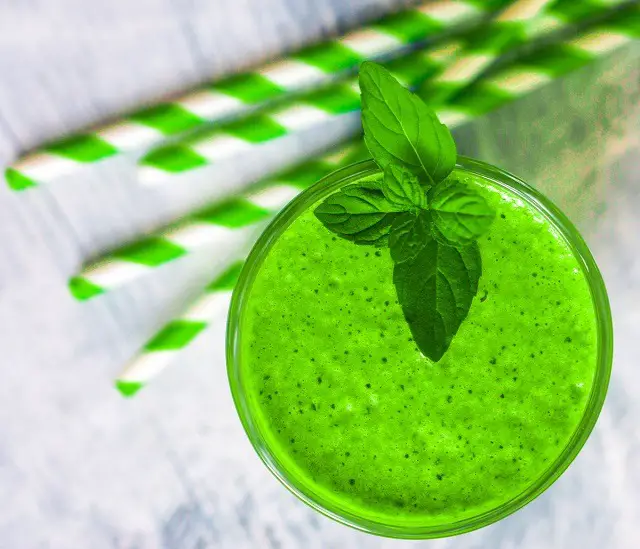
This smoothie recipe from Dr. Axe helps to cleanse the colon while also providing your body with vital nutrition and keeping you full until your next meal.(4)
This drink is easy to make and contains more nutrients than an average meal. It is creamy due to the avocado, and naturally sweet due to the honey and bananas.
With the addition of chia seeds, it is rich in fiber, which will keep you feeling full.
Ingredients:
- 1 1/2 cup of almond milk
- 2 cups of kale
- 2 cups of spinach
- 1/2 of a medium avocado
- 2 frozen bananas
- 1 teaspoon of grated ginger (fresh)
- 1/2 tablespoon of chia seeds
- 1 tablespoon of raw honey

Directions:
- Put all of the ingredients together into a blender and blend until it is your desired texture. This will probably take one to two minutes, depending on your blender.
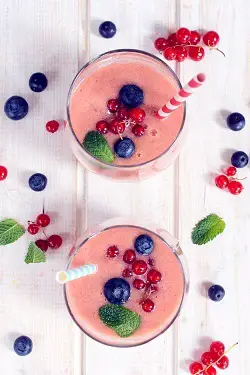
Dr. Ian Smith also provides a great colon cleansing smoothie recipe.(5)
To make this purple smoothie, you will need:
- 1 cup of organic apple cider
- 1 cup frozen blueberries
- 1 cup of peeled and cored pear
- 1/2 cup yogurt
- 1/2 cup frozen strawberries
- 1/2 cup of kale (stems removed)
- 2 tablespoons of unfiltered organic flax seed oil
- 1/4 cup freshly squeezed lemon juice
Directions:
- Starting with the liquids, combine all of these ingredients in your blender to create a smoothie.
According to Natural Health 365, drinking colon cleansing smoothies can reverse the signs of premature aging and help alleviate the symptoms of chronic diseases.(6)
For example, the liver keeps the body cleansed of toxic debris, however, in many cases, we need to assist the body in ridding itself of toxins such as herbicides and pesticides.
Their colon cleansing smoothie recipe is as follows:
Ingredients:
- 1 chopped organic cucumber
- 1 chopped organic apple (peel included)
- 1 sliced raw beet
- Juice of 2 lemons
- Juice of 1 lime
- 2 Tablespoons of olive oil

Directions:
- Blend these ingredients well and add some purified water if you feel it needs more liquid.
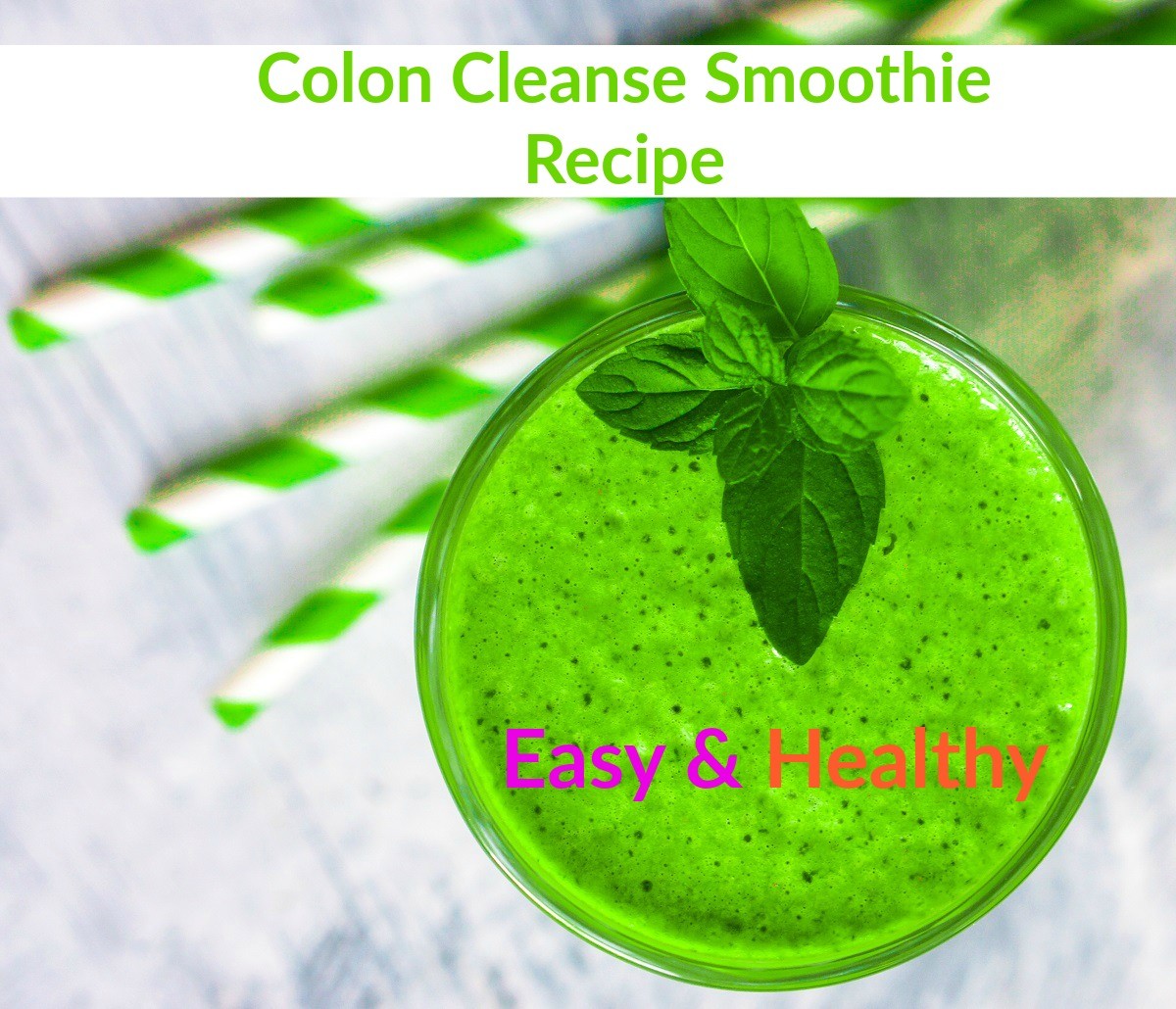
Colon Cleanse Smoothie Recipe
For all the talk about “cleanses,” here is the part that often gets left out: your colon already knows how to do its job.
That said, a smoothie made with fiber-rich fruits, vegetables, seeds and fermented foods can absolutely support regular digestion, especially when it replaces a low-fiber breakfast or snack.
Short answer: think of this as a gut-friendly smoothie, not a magic scrub brush for your intestines.
Gut-Friendly Green Smoothie
- 1 cup unsweetened kefir or plain Greek yogurt
- 1 cup baby spinach
- 1 small green apple, chopped
- 1/2 medium avocado
- 1 tablespoon chia seeds or ground flaxseed
- 1/2 cup frozen berries
- 1/2 cup water, or more as needed
- 1 teaspoon lemon juice
- Optional: small piece of fresh ginger
Add everything to a blender and blend until smooth.
For a thinner smoothie, add more water; for a thicker one, add ice or extra frozen berries.
This recipe gives you fiber, fluid, probiotics and healthy fats, which is a much better plan than trying to “detox” with harsh teas, laxatives or extreme juice cleanses.
As noted by the National Institute of Diabetes and Digestive and Kidney Diseases, fiber and enough fluids are two key diet habits that can help with constipation.
When to Drink a Colon Cleanse Smoothie
These smoothies can be a great breakfast option because you are giving your body fiber, fluid and important nutrients at the start of the day.
That can be especially helpful for anyone whose usual breakfast is coffee and maybe a bite of something grabbed while running out the door.
They may also provide a steady boost of energy in the morning, especially when they include protein and fat rather than just fruit juice.
The goal is not to cut out caffeine because coffee is “bad,” but to avoid using caffeine as a replacement for actual food.
Because this smoothie includes avocado, seeds and kefir or yogurt, it should help keep you fuller than a smoothie made with fruit and juice alone.
And yes, there is a big difference between a balanced smoothie and a giant cup of blended sugar wearing a health halo.
What a Smoothie Can and Cannot Do
A fiber-rich smoothie can support bowel regularity, help you eat more fruits and vegetables and make it easier to add foods that are good for the gut microbiome.
It cannot remove toxins, reset your entire digestive system overnight or undo a week of eating ultra-processed foods in one glass.
Your liver, kidneys, digestive tract and lungs are already working on waste removal all day long.
What they need from you is not punishment; they need water, fiber, protein, sleep and an overall eating pattern that does not make them work harder than necessary.
The USDA’s MyPlate guidance continues to encourage eating a variety of fruits and vegetables, and smoothies can be one way to help get there.
Just keep in mind that chewing some of your fruits and vegetables is still important, too.
Diet Tips to Complement a Colon Cleanse
To help your body digest food well when you are not drinking a smoothie, there are several habits worth keeping in mind.
None of them are trendy, which is probably why they work.
Choose Whole Fruit Over Juice Most of the Time
Whole fruit gives you fiber, water, vitamins, minerals and plant compounds that support overall health.
Fruit juice, even 100% juice, is much lower in fiber and much easier to overdrink.
Apple cider and apple juice are not the same thing nutritionally, but neither one is necessary for a gut-friendly smoothie.
For the best digestive support, use a whole apple instead of relying on juice as the base.
The Dietary Guidelines for Americans recommend making at least half of fruit intake come from whole fruit.
That is a pretty simple tweak, and it makes a big difference for fiber intake.
Be Careful With Protein Powders
Some protein powders are perfectly fine, but many are not necessary for the average smoothie.
They can also contain sweeteners, sugar alcohols or extra ingredients that may bother the gastrointestinal system, especially for people with sensitive stomachs.
Rather than automatically adding a powder, choose natural sources of protein, such as kefir, plain Greek yogurt, soy milk, tofu or nut butter.
Kefir also contains live and active cultures, which may help support a healthy gut microbiome.
Worth noting, dietary supplements are regulated differently than conventional foods and medications in the U.S., as explained by the Food and Drug Administration.
That does not mean every protein powder is a problem, but it does mean you should be a little picky.
Eat Avocados
One medium avocado has around 10 grams of fiber, and it also provides potassium and heart-healthy unsaturated fat.
That combination can help make a smoothie creamier, more satisfying and less like you are drinking a sad green liquid.
While some sources of added fats can feel heavy in a smoothie, avocado blends in easily and has a mild taste.
It also helps slow digestion a bit, which may be useful if fruit-only smoothies leave you hungry an hour later.
Add Seeds for Fiber
Chia seeds and ground flaxseed are small, but they do a lot of work.
They add fiber, plant-based omega-3 fats and texture that helps turn a smoothie into something closer to a meal.
Start with one tablespoon if you are not used to eating much fiber.
Jumping from very little fiber to a high-fiber smoothie overnight may leave you bloated, which is not exactly the wellness outcome anyone is hoping for.
Drink Enough Water
Fiber works best when it has fluid to go with it.
Adding more fiber without drinking enough water can actually make constipation worse for some people.
A smoothie counts toward fluid intake, but plain water still matters.
Not very glamorous, I know, but digestion does not always care about glamour.
Limit Ultra-Processed Foods
Ultra-processed foods are often low in fiber and high in sodium, added sugars or saturated fat.
That does not mean you can never eat chips, cookies or frozen pizza, because that would be both unrealistic and, frankly, no fun.
But making most meals from foods like fruits, vegetables, beans, lentils, whole grains, nuts, seeds, yogurt, fish, eggs and lean proteins can support better digestion overall.
As I always say, it is less about one perfect smoothie and more about what you are doing most of the time.
Who Should Be Careful With “Colon Cleanse” Products?
Smoothies made with real food are very different from colon cleanse pills, laxative teas, enemas or colonic irrigation.
Those products and procedures can carry risks, including dehydration, electrolyte imbalance and irritation of the digestive tract.
People who are pregnant, have kidney disease, have inflammatory bowel disease, take medications that affect fluid or electrolyte balance, or have a history of eating disorders should be especially cautious.
Really, anyone dealing with ongoing constipation, diarrhea, blood in the stool, unexplained weight loss or persistent abdominal pain should check in with a health care professional instead of trying to smoothie their way through it.
Conclusion
Drinking a colon cleanse smoothie can be a healthy habit when it means adding fiber, fluids, probiotics and whole foods to your day.
Just remember, your body does not need a harsh cleanse; it needs support.
To help build a healthier gut, try to:
» Eat more fiber-rich foods, including fruits, vegetables, beans, lentils, nuts, seeds and whole grains
» Drink enough water throughout the day
» Limit ultra-processed foods most of the time
» Use a balanced smoothie as a breakfast or snack, not as a replacement for eating well
My bottom line: keep the smoothie, lose the cleanse mentality.
Fiber, consistency and common sense will do more for your gut than any dramatic detox plan ever will.
Leave Feedback: Was this article helpful?