
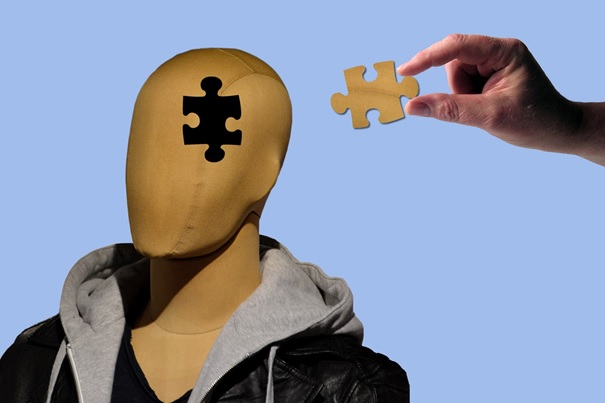
There are many different alternative treatments that are sometimes used alongside conventional treatment for substance use disorder.
Important word there: alongside. Complementary therapies may help with stress, sleep, cravings or discomfort, but they should not replace medical treatment, counseling, behavioral therapy or FDA-approved medications when those are recommended.
For many people, long-lasting recovery works best when treatment looks at the whole person — physical health, mental health, social support, trauma history, sleep, nutrition and, yes, coping skills that do not involve substances.
Types of complementary treatments may include, but are not limited to:
- Acupuncture.
- Aromatherapy.
- Hypnotherapy.
- Meditation and mindfulness.
- Reflexology.
Worth noting before we go further: withdrawal from alcohol, benzodiazepines, opioids and some other substances can be dangerous and should be discussed with a qualified health professional. As noted by SAMHSA’s National Helpline, treatment referral and support are available for individuals and families dealing with mental health or substance use concerns.
Acupuncture
Acupuncture has become a popular complementary therapy for many health conditions, including pain, anxiety, stress and, in some settings, addiction recovery. It involves placing very thin needles into specific points on the body, and one common addiction-focused approach uses points in the ear.
The idea is that acupuncture may help calm the nervous system, support relaxation and possibly reduce some cravings or withdrawal-related discomfort. The research, however, is mixed, and NCCIH notes that acupuncture has been studied for many conditions, but not all uses are backed by strong evidence.
Acupuncture has been known to affect chemicals in the body, including endorphins, which are often described as the body’s natural painkillers. That may be part of why some people report feeling calmer, less achy or more emotionally steady after a session.
During an acupuncture session, paper-thin needles may be inserted into five points in the ear, depending on the practitioner’s method. The insertion itself usually takes only a minute or two.
After that, the person typically relaxes in a quiet, dimly lit room for about 30 to 45 minutes. I will say, even for people who are not fully sold on the needle part, the enforced quiet time alone can feel like a small gift.
Acupuncture should always be performed by a licensed or properly trained practitioner using sterile, single-use needles. This is not one of those “my cousin watched a video once” situations.
Aromatherapy
Aromatherapy uses essential oils from plants, often through scent, diluted topical application or bath products. Many people use it during recovery to support relaxation, sleep or mood, though it should be seen as a comfort measure, not a treatment for addiction itself.
The three most common ways to use essential oils are in a diffuser, diluted and applied to the skin, or added in small amounts to a bath. Please do not ingest essential oils unless a qualified clinician specifically tells you to do so, because “natural” does not automatically mean safe.
Essential oils can irritate the skin, trigger asthma or allergies, interact with certain medical conditions or be unsafe for children and pets. Based on guidance from NCCIH on aromatherapy, safety depends on the oil, the dose, how it is used and the person using it.
Some commonly used oils include:
- Lavender Oil has a soothing scent that may induce a feeling of calm. It may be helpful for relaxation and sleep support, which can matter quite a bit during recovery.
- Lemon Oil is often used for its bright, clean scent and may help some people feel more alert or refreshed. Claims that it directly curbs cravings are not strongly proven, but some people do find the scent grounding.
- Ginger Oil comes from a plant that is high in antioxidants. Ginger is often associated with nausea support, but ginger essential oil should still be diluted properly and used with care.
Aromatherapy can be a nice add-on to a recovery routine, especially when paired with sleep hygiene, therapy, movement and a strong support system. But it is not going to replace evidence-based addiction care, and I would be very skeptical of anyone promising that it will.
Hypnotherapy
Hypnotherapy is sometimes used to help people explore thoughts, behaviors or emotions that may be connected to substance use. Some practitioners use it for stress management, behavior change, smoking cessation, anxiety or trauma-related coping patterns.
The theory is not simply that one hidden memory causes addiction and that pulling it out fixes everything. Addiction is much more complicated than that, involving brain chemistry, environment, genetics, mental health, trauma, pain, social stressors and repeated patterns of behavior.
That said, hypnotherapy may help some people become more aware of triggers and practice healthier responses to stress. As the Cleveland Clinic explains about hypnosis, it is a focused state of attention that may be used as part of treatment for certain habits, symptoms or emotional concerns.
For addiction recovery, hypnotherapy should come from a properly trained mental health or medical professional, ideally one who understands substance use disorder. This is especially important for anyone with trauma, PTSD, severe anxiety or a history of dissociation.
New habits can be formed, but they usually take time, repetition and support. Which is not as flashy as a quick fix, but it is a lot more honest.
Meditation
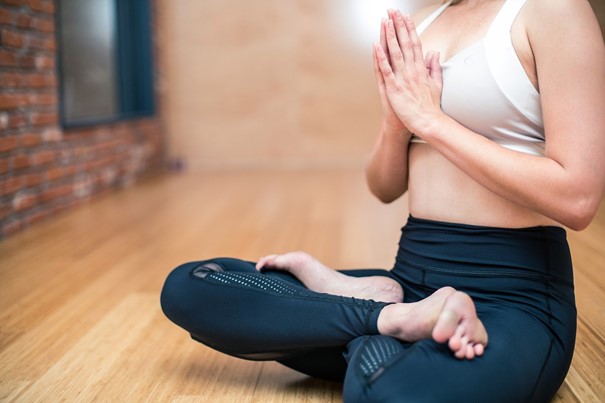
Meditation therapy and mindfulness practices are commonly used in addiction recovery programs, and this is one area where the idea makes a lot of sense. Recovery often requires learning how to sit with discomfort, cravings, stress and emotions without reacting automatically.
Meditation may help people notice cravings as temporary experiences rather than commands that must be followed. That sounds simple until you are actually doing it, of course.
Mindfulness-based approaches have been studied for substance use, relapse prevention, anxiety, depression and stress. As reported in research on mindfulness-based interventions for substance use disorders, these practices may help with craving, emotional regulation and relapse prevention, though they work best as part of a broader treatment plan.
Meditation may also support sleep, concentration and mood, all of which can take a hit during withdrawal and early recovery. Even five minutes of breathing practice can be a starting point, because not everyone is ready to sit cross-legged for an hour pretending their laundry list of worries does not exist.
Common options include guided meditation, breathing exercises, body scans, mindfulness-based relapse prevention and gentle yoga. The best one is the one a person will actually do consistently.
Reflexology
Reflexology is a hands-on practice that applies gentle pressure to specific areas, usually on the feet or hands. It is often described as a blend of modern wellness practices and traditional theories about energy flow and body systems.
By definition, reflexology involves applying pressure and massage to specific reflex areas of the body. Many people find it relaxing, and relaxation is not a small thing when someone is trying to recover from substance use.
The theory is that different points on the feet or hands correspond to organs and systems in the body. From a research standpoint, evidence for those specific organ connections is limited, but there may still be benefits related to stress reduction, comfort and body awareness.
Reflexology is noninvasive and may help someone feel calmer, less tense or more connected to their body. What it should not do is claim to “detox” the blood or cure withdrawal, because the body’s detoxification process is handled mainly by the liver, kidneys, lungs, digestive system and medical care when needed.
A well-trained reflexologist can be part of a supportive care plan, especially for people who enjoy touch-based relaxation therapies. It should be avoided or used carefully in people with foot wounds, infections, blood clots, certain circulation problems or severe neuropathy unless cleared by a clinician.
In Conclusion
Complementary therapies may help support recovery by reducing stress, improving sleep, easing tension and giving people more tools to manage cravings. But they work best when combined with evidence-based care, not when used instead of it.
For opioid use disorder, alcohol use disorder and some other substance use disorders, medications can be lifesaving and are considered evidence-based treatment. NIDA states that addiction treatment often works best when it combines behavioral therapy, medications when appropriate and ongoing support.
Treat the body as a whole, yes, but do not skip the treatments that have the strongest evidence behind them. Recovery is hard enough without having to choose between science and support — ideally, you get both.
Leave Feedback: Was this article helpful?