

A whole lot of people do not know how to keep fit, and honestly, that is not surprising. Fitness advice has become way louder than it needs to be.
One person says you need a gym membership, another says you need a special protein powder, and somebody on the internet is probably doing burpees on a mountain telling you to “no excuses.” Anyway, let’s bring this back down to earth.
It is not that hard to get fit, and it is not even that hard to stay fit. What is hard is making it so complicated that you quit before you even start.
Can I tell you a secret? You do not need to look like a fitness model to be healthy, active or strong.
Body size and fitness are not the same thing. Research and health experts continue to point out that cardiorespiratory fitness, blood pressure, blood sugar, cholesterol, strength and daily movement all matter, not just what the scale says, and yes, some people can have a higher body weight and still be physically fit, as discussed in this WebMD overview on fitness and weight.
To be clear, extra body fat can still raise health risks for many people, especially around the waistline. But judging fitness by appearance alone is where people get themselves confused.
Being fit is really about having the energy to be active, the strength to move through your day and the stamina to do the things you actually want to do. That might mean walking up stairs without feeling like you just climbed Mount Everest, playing with your kids or grandkids, carrying groceries, dancing at a wedding or making it through a long workday with something left in the tank.
Along with regular movement, you are going to need food that supports your body, enough water and enough rest. Yes, rest counts too, even though nobody makes a dramatic workout video about going to bed on time.
What people seem to believe is that getting fit and keeping fit automatically means long, hard gym work or a strict diet with no joy in it. That is not the case.
Gym training is one way to build fitness, but it is not the only way. The gym is helpful if you enjoy it, want more structure, want to lift heavier weights or need coaching, but it is not a requirement for basic health and fitness.
What It Takes
Let me enlighten the darkness a little. Eating the right kinds of foods, in reasonable portions, most of the time, along with plain water and regular activity, is enough for most people to begin improving fitness.
I am not saying you need to eat perfectly, because that is where healthy intentions go to become miserable. A better plan is to eat more foods that give you something back: fruits, vegetables, beans, whole grains, lean proteins, fish, eggs, yogurt, nuts, seeds and healthy fats.
Your fitness level is determined by a combination of your activity, your nutrition, your sleep, your stress level, your medical history and how consistent you are. Not by one workout, one salad or one Monday morning promise that starts strong and ends with fries by Thursday.
I know you see people on TV and online asking, “Do you want to get in shape like me?” Maybe you do, maybe you don’t.
More importantly, you need to get into the shape that works for your life, your body and your goals. Not everyone needs a six-pack, and frankly, some of us are perfectly happy just not making noises when we stand up from the couch.
Not being able to run for seven days straight does not mean you are unfit. Most people do not need to run for seven days straight unless something very strange is chasing them.
Being able to walk briskly, climb stairs, carry your own body weight, recover after activity and keep moving through your day are all signs that your fitness is improving. Your fitness level might not be “A” class, but average people are not “A” class either.
And that is fine. A solid “B-” with consistency can do a lot more for long-term health than a dramatic “A+” effort that lasts eight days.
Keeping It Fit
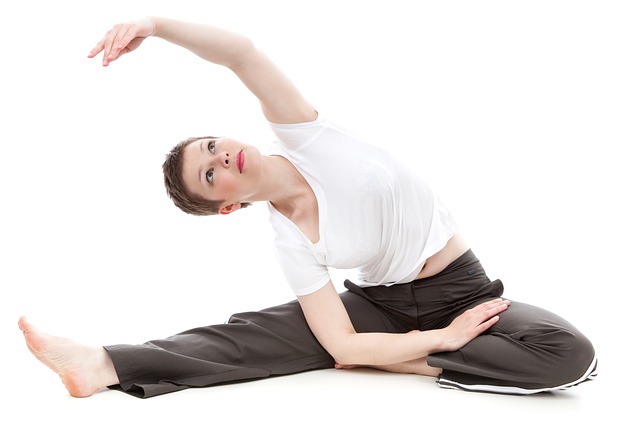
Exercise is essential to keeping in shape, and keeping in shape is essential to an active and healthy lifestyle. But exercise does not have to look one certain way to count.
The current Physical Activity Guidelines for Americans recommend that adults aim for at least 150 to 300 minutes of moderate-intensity aerobic activity each week, or 75 to 150 minutes of vigorous activity, along with muscle-strengthening activities at least two days a week. That sounds like a lot, but it can be broken into small pieces.
A 10-minute walk here, a 15-minute bike ride there and some bodyweight exercises while dinner is cooking all count. The body does not only accept movement when it arrives in a matching gym outfit.
There are many different types of exercise and many different ways to exercise. The best one is usually the one you can actually repeat without hating your life.
Strolling in the park, walking to work if possible, parking farther away, gardening, dancing, swimming, riding a bike, cleaning the house with a little extra speed or playing a sport can all be physical activity. It may not look fancy, but your heart, muscles and joints still know work when they feel it.
The CDC physical activity guidelines also make it clear that some activity is better than none. That is my favorite kind of health advice because it leaves room for being human.
Your fitness level should determine the type, intensity and duration of exercise you do. Starting where you are is not weakness; it is common sense.
Starting Out
When you are completely out of shape, you usually know it. Nobody has to tell you, because you can hear it in your breathing after taking the stairs or walking too fast to answer the door.
That does not mean you are doomed. It simply means your starting line is where it is, and everybody has one.
In the beginning, simple exercises are usually best. Walking, light jogging, bodyweight squats, wall push-ups, modified push-ups, step-ups, gentle cycling, stretching and basic strength exercises are all useful places to start.
Traditional exercises like sit ups, push ups, pull ups, long-distance walking and jogging can help, but they are not mandatory for everyone. For example, sit-ups may not be ideal if they bother your back, and pull-ups are not exactly beginner-friendly unless your idea of fun is hanging there questioning your life choices.
Start with what feels challenging but manageable. You should be able to talk during moderate activity, but not comfortably sing an entire song unless you are barely moving.
A smart beginner goal might be walking 10 to 20 minutes most days of the week. Once that feels easier, you can slowly add more time, more speed, small hills or short intervals of faster walking.
Strength training is also important, especially as we age. Muscle helps support metabolism, balance, bone health and everyday function, which is a fancy way of saying it helps you keep doing your own stuff.
Anyone with chest pain, dizziness, uncontrolled blood pressure, heart disease, diabetes complications, severe joint pain or other medical concerns should check with a health care provider before starting a new or vigorous routine. That is not fear talking; that is simply being smart.
When people are in a hurry, they often go too hard too fast. That is how soreness, frustration and “I’ll restart next month” are born.

The Upgrade
When your fitness level moves up from ground level, you can start getting more active with your exercise. This is where you can add more aerobics, more distance, more resistance or more speed when walking, jogging or cycling.
You might move from a casual walk to a brisk walk, then to walk-jog intervals, then to a full intermediate run. Or maybe you never run at all and simply become a strong walker, swimmer or cyclist, which is perfectly fine.
The upgrade should feel like progress, not punishment. A good rule is to increase slowly, because joints, tendons and muscles need time to catch up with motivation.
You can also take it to the gym at this stage if you want more options. Instructors may introduce you to resistance machines, free weights, aerobic classes, rowing machines, stair climbers or workouts that combine cardio and strength.
Aerobics with weights is different from heavy weight training. Both can be useful, but the goal should match what you want: endurance, strength, muscle, mobility, balance, heart health or just feeling better in your own body.
Olympic Status
After you have built a base with regular movement, strength work and better endurance, you may want to push harder. This is when more structured training can make sense.
You can add heavier weight training, more challenging cardio, intervals, sports conditioning or specific goals like a 5K, a long bike ride, a hiking trip or simply being able to do real push-ups without bargaining with the floor. The important thing is that you increase intensity safely.
Playing your favorite sport is one of the simplest ways to exercise because you are doing something you enjoy. Basketball, tennis, soccer, swimming, pickleball, dancing, skating, martial arts or even a very competitive game of backyard badminton can all count.
There is one catch, though. You have to do it consistently.
A match every two to three weeks will not cut it if that is the only movement you are getting. It is better than nothing, sure, but fitness improves when the body gets the message regularly.
Sports also come with a little bonus: they do not feel like traditional exercise. You may run more chasing a ball than you ever would on a treadmill, mainly because the treadmill does not insult your competitive spirit.
The Reason
Now we exercise to keep in shape, but that is not the only reason. Regular physical activity is strongly linked with better heart health, improved blood pressure, better blood sugar control, stronger bones, better mood and lower risk of several chronic diseases.
The American Heart Association notes that physical activity supports cardiovascular health and can help lower the risk of heart disease and stroke, as explained in its information on exercise and heart health. In plain English, movement helps keep the heart pumping, the blood flowing and the body working more like it is supposed to.
Exercise also helps with stress, and that is not just something people say when they want you to go take a walk. The Mayo Clinic explains that exercise can reduce stress by increasing feel-good brain chemicals, improving mood and helping the body handle tension better.
I had really bad asthma when I was young, and when I started playing basketball, things changed for me. That does not mean exercise cures asthma, and anyone with asthma should follow their treatment plan, but it did teach me how powerful regular movement can be for building stamina and confidence.
Exercise is also one of the best reminders that the body adapts. What feels hard today can feel normal later, and what feels impossible now may simply need time, patience and a few less dramatic expectations.
Food Still Matters
Getting active is important, but food still matters. You cannot out-exercise a diet that constantly leaves you tired, undernourished or running on sugar and caffeine.
That does not mean you have to change your diet to celery and crackers. I repeat, because this is important: nobody needs to live on celery and crackers to be healthy.
A better approach is to build meals around protein, fiber-rich carbohydrates, healthy fats and colorful plants. Think eggs and whole-grain toast, Greek yogurt with fruit, chicken with vegetables and rice, beans with avocado, tuna on whole-grain bread or oatmeal with nuts and berries.
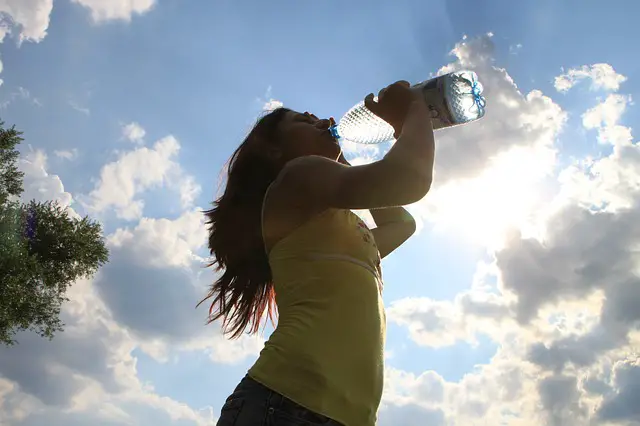
Hydration also matters, especially when you are sweating more. Plain water is still the obvious winner most of the time, even though it does not come with flashy advertising or a lightning bolt on the bottle.
For most people, the big wins are simple: eat fewer ultra-processed foods, drink fewer sugary beverages, add more fruits and vegetables, get enough protein and stop skipping meals only to attack the kitchen at night. Small changes done repeatedly beat extreme changes done for four miserable days.
Lay off the junk food when you need to, or at least make better versions of the foods you already enjoy. A homemade burger with lean meat, avocado and a side salad is not the same thing as a greasy drive-thru situation, even if both are technically burgers.
Conclusion
If you are out of shape or unfit, it is easy to get in shape when you stop trying to fix everything at once. Start with walking, basic strength exercises, better meals and enough water.
The first thing you have to do is ignore negative people. It does not matter who they are; if they make you feel like improving your health is pointless, they are not helping.
Misery loves company, and sometimes it brings snacks. Do not let somebody else’s lack of motivation become your lifestyle.
The next thing you need to do is change your diet, but not in a dramatic, joyless way. Add more nourishing foods before obsessing over everything you think you have to remove.
Do a little research for yourself and learn what your body needs. Better yet, talk with a registered dietitian, doctor, physical therapist or certified trainer if you need personalized guidance.
The last thing you need to do is get active or get more active. Walk more, jog if you like it, lift weights, play a sport, dance in your kitchen or do whatever keeps you moving.
OH! One more thing: stay focused and determined.
You will get there, not because fitness is magic, but because the body responds when you give it a reason to. The trick is to start small, stay consistent and stop making being healthy harder than it has to be.
Leave Feedback: Was this article helpful?