
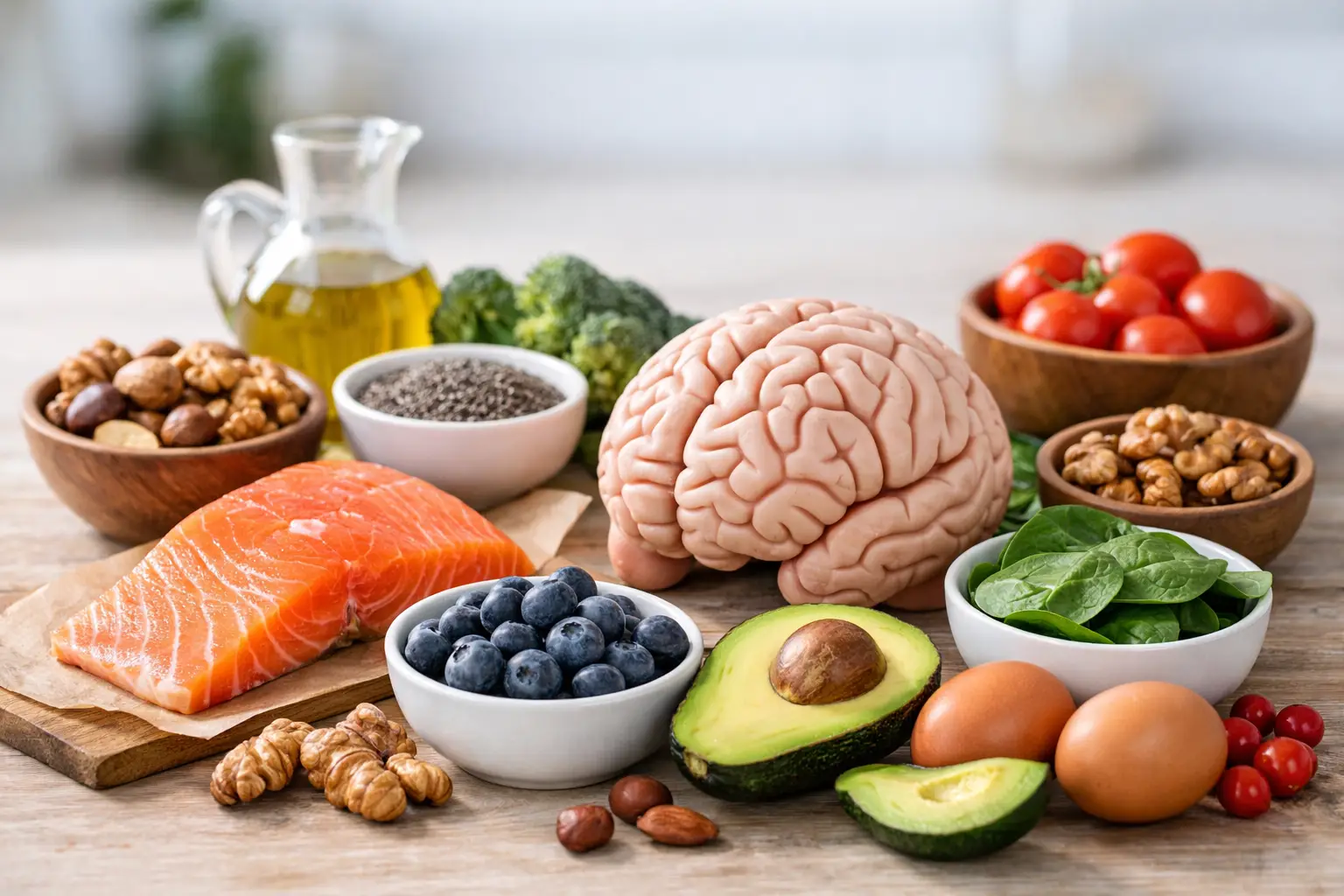
Your brain is expensive tissue. Even at rest, it burns a surprising amount of energy, depends on a steady supply of nutrients, and is sensitive to long-term habits like blood sugar control, blood pressure, and inflammation. That is why foods that support brain health are not just a niche nutrition topic – they are part of everyday self-care that can affect focus, mood, and healthy aging.
No single food will make you sharper overnight, and nutrition alone cannot prevent every cognitive problem. Still, research consistently points in the same direction: eating patterns rich in plant foods, healthy fats, fish, and minimally processed staples tend to support better brain function over time. The bigger picture matters most, but some foods stand out for the nutrients they provide.
Why foods that support brain health matter
The brain relies on several nutrition-related systems working well at once. It needs stable blood flow to deliver oxygen and glucose. It benefits from nutrients that help build cell membranes, support nerve signaling, and protect against oxidative stress. It also appears to do better when overall diet supports heart and metabolic health, since what helps blood vessels often helps the brain too.
That is one reason experts often focus on dietary patterns such as the Mediterranean diet or MIND diet rather than chasing superfoods. Even so, understanding a few high-value foods can make healthy eating feel more practical.
10 foods that support brain health
1. Fatty fish
Salmon, sardines, trout, herring, and mackerel are among the best-known foods for brain health because they provide omega-3 fats, especially DHA and EPA. DHA is a major structural fat in the brain, and low intake has been linked with poorer cognitive outcomes in some studies.
Fish is not magic, and more is not always better. The goal is regular intake, not excess. For many adults, eating fatty fish a couple of times a week is a realistic target. If you do not eat fish, getting omega-3s from walnuts, chia seeds, flaxseeds, or fortified foods may still help, though plant sources do not provide DHA in the same way.
2. Berries
Blueberries get the most attention, but strawberries, blackberries, and raspberries also deserve a place on the list. Berries are rich in polyphenols, including anthocyanins, which may help reduce oxidative stress and support communication between brain cells.
The effect is likely modest and cumulative rather than dramatic. A handful in yogurt, oatmeal, or a smoothie is enough to make them a useful habit. Fresh and frozen both work well, which makes this one of the easier upgrades for most budgets.
3. Leafy greens
Spinach, kale, collards, arugula, and romaine provide folate, vitamin K, lutein, and other compounds associated with brain and vascular health. In observational research, people who eat greens more regularly often show slower cognitive decline with aging.
This does not prove cause and effect on its own, but leafy greens consistently show up in healthier dietary patterns. If salads are not your thing, add a handful of spinach to eggs, soups, pasta, or smoothies.
4. Nuts
Nuts offer healthy unsaturated fats, vitamin E, magnesium, and plant compounds linked to lower inflammation and better cardiovascular health. Walnuts are especially interesting because they contain alpha-linolenic acid, a plant omega-3 fat.
Portion size matters here. Nuts are nutrient-dense, but they are also calorie-dense. A small handful is usually enough. They make a smarter snack than chips or cookies, especially when they replace more processed options rather than simply getting added on top.
5. Olive oil
Extra virgin olive oil is a staple in Mediterranean-style eating and a reliable choice for brain-friendly meals. It provides monounsaturated fats and polyphenols, both of which have been studied for their potential role in reducing inflammation and supporting blood vessel function.
This is less about taking olive oil by the spoonful and more about using it in place of less favorable fats. Drizzle it over vegetables, use it in dressings, or cook with it at moderate temperatures.
6. Eggs
Eggs provide choline, a nutrient the body uses to make acetylcholine, a neurotransmitter involved in memory and muscle control. They also contain B vitamins, including B12 and folate, which help support normal nerve function.
Eggs can fit well into a brain-healthy diet for many people, but context matters. If you have specific cholesterol concerns or a medical condition that affects dietary choices, your overall pattern matters more than any single food. For most healthy adults, eggs can be a practical and affordable option.
7. Beans and lentils
The brain likes a reliable energy supply, and beans and lentils help by providing fiber, complex carbohydrates, and plant protein. Foods that digest more slowly may support steadier blood sugar, which can help with energy and concentration across the day.
They also bring folate, iron, magnesium, and other nutrients many Americans do not get enough of. If you want a low-cost way to improve your diet, this is one of the best places to start.
8. Whole grains
Oats, brown rice, quinoa, whole wheat, and barley support brain health less because of one standout nutrient and more because they help with the basics. Compared with highly refined grains, whole grains provide more fiber and a slower release of energy.
That matters because big swings in blood sugar can leave you feeling foggy, tired, or hungry again too soon. Whole grains also support heart health, which is closely tied to brain health over time.
9. Yogurt and fermented foods
The gut-brain connection gets a lot of attention, and while not every claim holds up, there is real scientific interest in how gut health may affect mood, inflammation, and cognition. Yogurt with live cultures, kefir, kimchi, and other fermented foods may help support a healthier gut environment.
This area is still developing, so it is smart to avoid overpromising. Think of fermented foods as one supportive piece of the puzzle, not a cure-all. Plain yogurt with fruit and nuts is a simple place to start.
10. Dark chocolate
This one is often overstated, but there is a reasonable case for modest amounts of dark chocolate. Cocoa contains flavanols that may support blood flow and have short-term effects on attention in some research.
The catch is that chocolate products vary widely. A small portion of dark chocolate with a higher cocoa content is very different from a candy bar packed with sugar. Enjoy it as a small extra, not as a health halo food.
What to eat less often
If you are thinking about foods that support brain health, it also helps to look at what tends to work against it. Diets high in ultra-processed foods, added sugars, refined carbohydrates, and trans fats are often linked with worse metabolic and cardiovascular health, and that can spill over into brain health too.
This does not mean you need a perfect diet. It means your daily defaults matter. A breakfast of oats, berries, and nuts will generally support your long-term health better than a pastry and sugary coffee, even if both fit into real life from time to time.
How to build a brain-healthy plate without overthinking it
The simplest approach is to stop chasing miracle foods and build repeatable meals. Aim to include a source of healthy fat, a high-fiber carbohydrate, and colorful plant foods most days. For example, salmon with brown rice and roasted vegetables works well. So does a spinach omelet with whole grain toast, or Greek yogurt with berries and walnuts.
If your current diet is far from ideal, start with one change that feels easy. Swap one snack for nuts and fruit. Add leafy greens to lunch a few times a week. Replace some refined grains with oats or brown rice. Small shifts are more likely to stick than an ambitious food overhaul that lasts five days.
A few realistic cautions
Nutrition research can show patterns, but it rarely proves that one food alone changes brain outcomes. People who eat more berries and fish may also sleep better, exercise more, smoke less, and have better access to health care. Good studies try to account for this, but real life is complicated.
It also depends on the person. Someone with low omega-3 intake may benefit more from adding fish than someone who already eats it regularly. Someone with diabetes may notice a bigger difference from improving blood sugar stability. And if you have memory concerns, depression, or sudden changes in thinking, food is not a substitute for medical care.
The strongest case for these foods is not that they are trendy. It is that they line up with what we already know about vascular health, inflammation, blood sugar control, and nutrient adequacy. In other words, they support the systems your brain depends on every day.
A good diet will not turn life into a productivity contest or protect you from every bad night of sleep. But choosing more foods that support brain health can make your routine a little steadier, your meals a little smarter, and your future self a little better supported with every grocery trip.
Leave Feedback: Was this article helpful?