
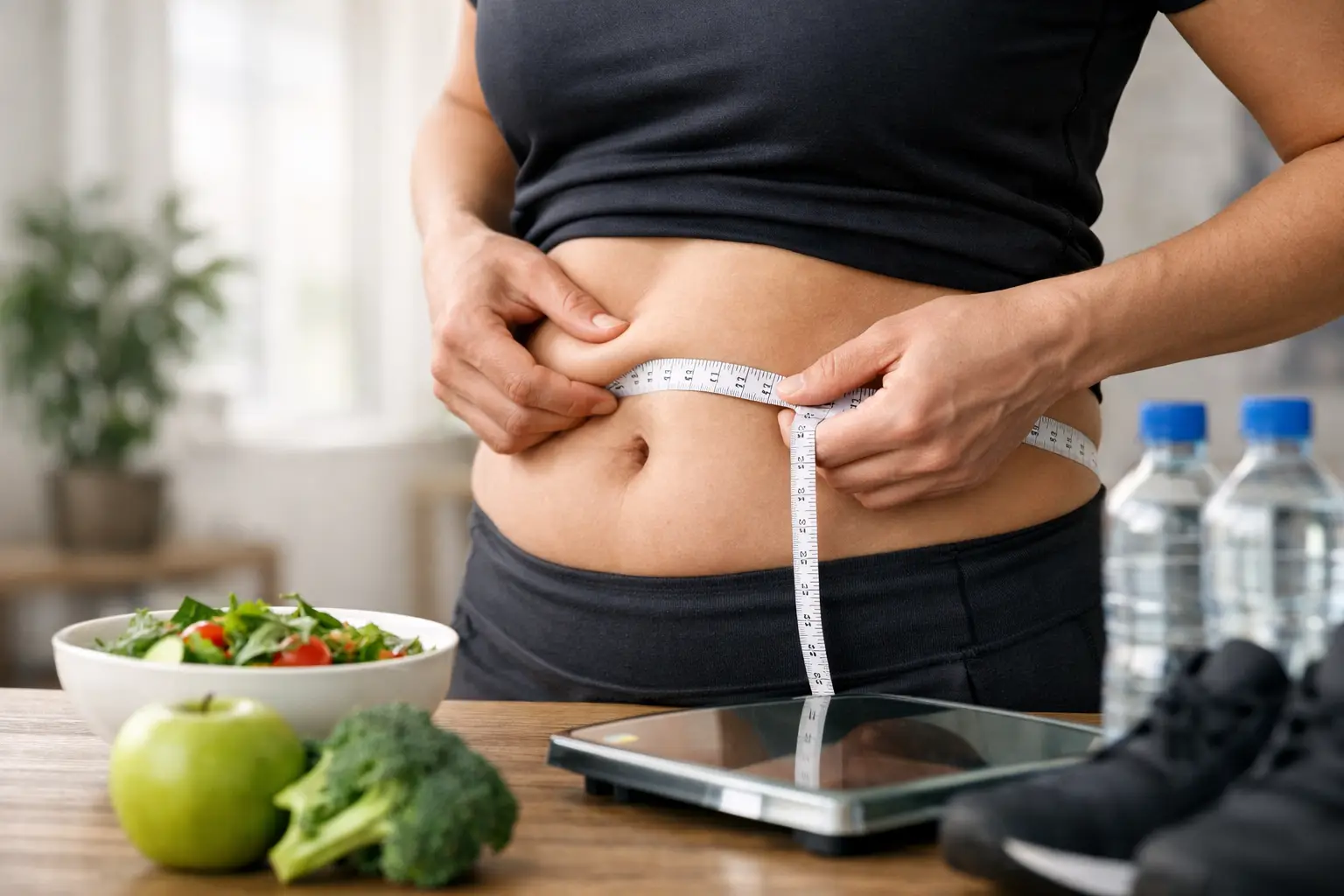
Belly fat is not all the same, and that difference matters more than most people realize. If you are trying to figure out how to reduce visceral fat, the goal is not just a smaller waistline. It is lowering the fat stored deep around your organs, which is the type most closely linked with higher risks of heart disease, type 2 diabetes, fatty liver disease, and other metabolic problems.
Visceral fat sits underneath the abdominal muscles and wraps around internal organs. That is different from subcutaneous fat, which is the softer fat just under the skin. You cannot accurately measure visceral fat by pinching your stomach, and you cannot target it with crunches alone. The good news is that visceral fat often responds well to consistent lifestyle changes, especially the kind that improve insulin sensitivity, support a calorie deficit when needed, and reduce chronic stress on the body.
Why visceral fat is harder to ignore
Doctors and researchers pay close attention to visceral fat because it is metabolically active. In simple terms, it does more than sit there. It releases inflammatory substances and hormones that can interfere with how your body regulates blood sugar, cholesterol, and appetite.
That is why someone can have a body weight that seems only mildly elevated and still carry a concerning amount of abdominal fat. It is also why waist size can sometimes tell you something useful even if the scale is not changing very quickly. For many adults, reducing visceral fat is less about chasing a certain look and more about improving long-term health markers.
How to reduce visceral fat with food choices that actually help
There is no single food that melts visceral fat, and any plan that promises that is oversimplifying the biology. What works best is a pattern of eating that helps you maintain a modest calorie deficit if you need to lose weight, while also supporting blood sugar control and satiety.
One of the strongest places to start is with protein. Meals that include adequate protein can help you stay full longer and preserve lean muscle during weight loss. That matters because muscle supports your metabolism and helps your body use glucose more effectively. For many people, this looks like building meals around foods such as Greek yogurt, eggs, fish, chicken, tofu, beans, cottage cheese, or lean cuts of meat.
Fiber matters just as much. Soluble fiber, in particular, may help with fullness and better blood sugar control. Oats, beans, lentils, berries, apples, chia seeds, and vegetables can all contribute. If your current diet is low in fiber, increase it gradually and drink enough water so your digestion has time to adjust.
Highly processed foods tend to make this harder, not because they are automatically bad, but because they are often easy to overeat and less filling than whole foods. Sugary drinks deserve special attention here. Liquid calories from soda, sweetened coffee drinks, energy drinks, and even some juices can add up quickly without doing much to satisfy hunger.
Alcohol can also work against your efforts. Some people notice abdominal weight gain when drinking becomes frequent, partly because alcohol adds calories and can lower appetite control around food. It can also disrupt sleep, which has its own effect on weight regulation. That does not mean everyone needs to stop drinking completely, but cutting back is often a practical step.
The exercise strategy that works best for visceral fat
If you want to know how to reduce visceral fat effectively, exercise should be part of the plan. Both aerobic exercise and strength training can help, and the best results often come from doing both consistently.
Aerobic activity helps burn calories and improves cardiovascular and metabolic health. Brisk walking, cycling, jogging, swimming, dancing, and rowing all count. You do not need punishing workouts to make progress. What matters most is regularity. A moderate routine you can keep doing will outperform a short burst of extreme effort that leaves you burned out.
Strength training is equally important because it helps preserve or build muscle mass. That becomes especially valuable during weight loss, when the body can lose both fat and muscle if exercise and protein are not adequate. A few sessions per week using bodyweight exercises, resistance bands, machines, or free weights can make a real difference.
High-intensity interval training may help some people reduce abdominal fat efficiently, but it is not required. For beginners, it can be too demanding or hard to recover from. If you enjoy it and your body tolerates it well, it can be a useful tool. If not, there is nothing wrong with sticking to walking and basic resistance training.
Sleep and stress are not side issues
People often focus on diet and workouts while ignoring sleep and stress, yet both affect visceral fat more than many expect. Poor sleep can alter hunger hormones, increase cravings for high-calorie foods, and reduce the energy you have for exercise and meal planning. Over time, that combination can make fat loss much harder.
Aim for a consistent sleep schedule whenever possible. For most adults, seven to nine hours is the range associated with better health outcomes. The basics still matter: limit heavy meals and alcohol too close to bedtime, dim bright screens at night, and keep your bedroom cool and dark.
Chronic stress is another piece of the puzzle. Higher stress can increase cortisol, and while the relationship is not perfectly simple, long-term stress is associated with greater abdominal fat storage in many people. Stress also changes behavior. It can push people toward emotional eating, less movement, more drinking, and poor sleep.
That does not mean you need a perfect meditation routine. Simple habits help. Daily walks, structured exercise, journaling, breathing exercises, and setting boundaries around work and screen time can all lower your overall stress load.
What about fasting, low-carb diets, and supplements?
This is where context matters. Intermittent fasting can help some people reduce calorie intake without counting every bite, and some studies suggest it may support fat loss. But it is not automatically better than other approaches. If fasting leads to overeating later, low energy, or poor adherence, it may not be the right fit.
Lower-carb diets can also be effective, especially for people who do better with fewer refined carbohydrates or who are trying to improve blood sugar control. Still, the real advantage usually comes from better appetite control and fewer excess calories, not from eliminating carbs by itself. Many people lose visceral fat on balanced diets that include whole grains, fruit, and legumes.
Supplements are where people often waste money. Despite bold marketing claims, most fat-burning products do very little, and some come with side effects like jitters, digestive problems, or increased heart rate. If a supplement sounds like a shortcut, it usually is. Consistent nutrition, movement, sleep, and stress management remain the most reliable tools.
Signs your plan is working
You may not know exactly how much visceral fat you have without medical imaging, but you can still track useful changes. A shrinking waist circumference is one of the most practical signs. Improvements in blood pressure, blood sugar, triglycerides, energy, and fitness can also suggest you are moving in the right direction.
The scale may help, but it does not tell the full story. Someone who starts strength training might lose fat while maintaining more muscle, which can make weight changes slower than expected. That can still be a very positive outcome.
When to talk to a doctor
Sometimes abdominal weight gain has more going on behind it. If you have a large waistline along with high blood sugar, high blood pressure, sleep apnea symptoms, or a family history of metabolic disease, it is worth checking in with a healthcare professional. The same goes if weight gain has been rapid, unexplained, or paired with fatigue or hormonal symptoms.
A doctor or registered dietitian can help you look at the bigger picture, including medications, menopause, thyroid concerns, insulin resistance, or other factors that may affect fat storage and weight loss.
At The Healthy Apron, the most reliable advice is usually the least flashy. If you want to reduce visceral fat, start with habits you can repeat next week and next month: eat more protein and fiber, move your body often, train your muscles, sleep better, and make stress a little more manageable. Small, steady changes are not glamorous, but they are often what actually works.
Leave Feedback: Was this article helpful?