
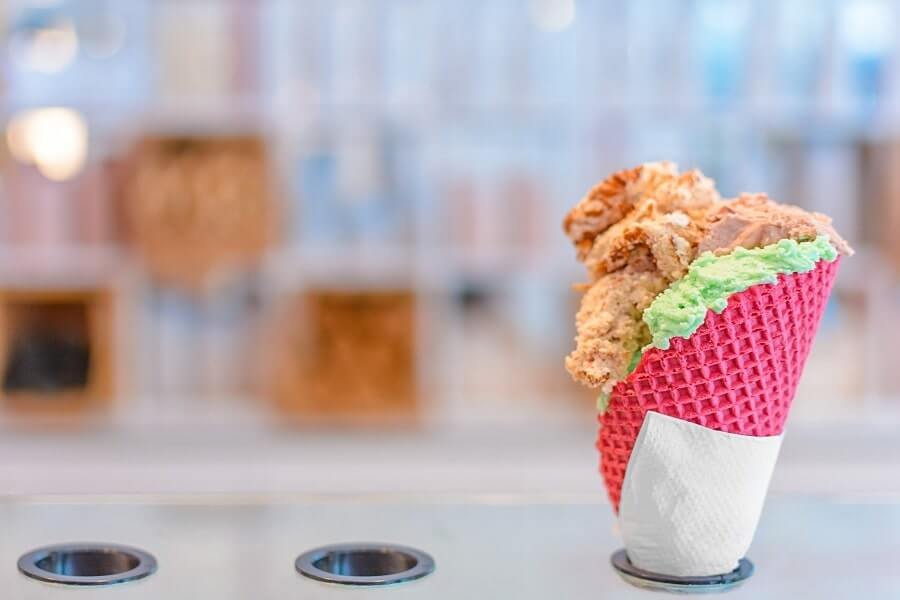
Ice cream is supposed to be one of life’s easier pleasures.
A cough that shows up right after a few bites can make it feel a lot less charming. The good news is that “ice cream cough” is not usually a condition by itself.
More often, it is your body reacting to the cold temperature, a sensitive throat, reflux, asthma or, less commonly, an allergy to one of the ingredients.
- Cold foods can trigger coughing in some people, especially when the throat or airways are already irritated.
- Common culprits include asthma, acid reflux, swallowing irritation and, in some cases, a true milk allergy.
- Dairy does not actually make your body produce more phlegm, though it can make mucus feel thicker to some people.
There are a lot of reasons why this can happen. Sometimes the cough starts the second the ice cream hits your throat.
Other times, it shows up a few minutes later along with throat clearing, chest discomfort or that annoying feeling that something is sitting in your throat.
Ice Cream Cough
Coughing after eating ice cream usually happens because something about the cold, texture or ingredients is irritating your throat or airways.
A cough is your body’s natural way of clearing irritants and protecting the airway. As Mayo Clinic explains, coughing is a reflex that helps clear your lungs and throat. In some people, very cold foods seem to trigger that reflex more easily.
This can be more noticeable when you already have a sore throat, postnasal drip, asthma, reflux or generally sensitive airways.
Some people also cough simply because they ate too fast and a bit of food or melted ice cream “went down the wrong pipe,” which Cleveland Clinic notes can cause an immediate coughing fit.
That means the cough is often less about the ice cream itself and more about what the ice cream is exposing.
Causes of Coughing
There is no single explanation that fits everyone, but these are some of the more likely causes.
1. Sensitive Throat or Airway Irritation
Cold foods and drinks can irritate an already sensitive throat.
This is especially common when you are getting over a cold, dealing with postnasal drip or have a throat that is already inflamed. That quick blast of cold can trigger a cough reflex in the same way that cold air does in some people.
According to Northumbria NHS guidance on chronic cough, cold air is a recognized trigger for cough hypersensitivity.
This is one of the most straightforward reasons people start coughing after ice cream, especially when they feel otherwise a little under the weather.
2. Asthma
Asthma is a very common reason for coughing after cold foods or drinks.
In people with asthma, the airways are already more reactive than usual, and triggers such as cold air can make them tighten.
According to the NHS, asthma symptoms can be triggered by a number of things, including allergies, infections, smoke, exercise and cold air. That means ice cream may not be the root problem.
It may simply be acting as the trigger that exposes an underlying issue. This is even more likely if your cough comes with wheezing, chest tightness or shortness of breath.
3. GERD or Silent Reflux
Another common cause is acid reflux.
This includes classic heartburn and acid reflux as well as laryngopharyngeal reflux, sometimes called silent reflux.
Reflux can irritate the throat and trigger coughing, and symptoms are often worse after eating. Rich, creamy desserts can sometimes make reflux more likely because fatty foods tend to linger longer in the stomach.
According to the NHS, reflux can cause a recurring cough, hoarseness and throat irritation, especially after meals or when lying down. Mayo Clinic also notes that reflux and asthma often overlap, which can make the cough even more confusing.
4. Milk Allergy or Another Ingredient Allergy
A true food allergy can also cause coughing, but this is not the same as simple throat irritation.
According to the American Academy of Allergy, Asthma & Immunology, cow’s milk is one of the major foods that can cause allergic reactions.
Symptoms may include hives, swelling, vomiting, wheezing, coughing or, in severe cases, anaphylaxis.
That said, isolated cough alone is not the most classic presentation of a food allergy. The AAAAI food allergy summary notes that food allergy more often causes symptoms such as hives, swelling, wheezing, nausea, vomiting or anaphylaxis, and isolated respiratory symptoms are less typical.
It is also worth separating milk allergy from lactose intolerance. Lactose intolerance can cause bloating, cramps and diarrhea, but it does not typically cause coughing.
Some ice creams also contain nuts, chocolate, flavorings or sulfites, all of which may be problematic for certain people.
5. Swallowing Irritation or “Going Down the Wrong Pipe”
Sometimes the answer is much less dramatic.
You ate too quickly, took a big bite, laughed mid-spoonful or inhaled while swallowing. When a bit of food or liquid heads toward the airway instead of the esophagus, your body reacts immediately by coughing.
Cleveland Clinic explains that coughing after food or drink goes down the wrong pipe is the body’s way of trying to protect the lungs.
This is more likely if the cough starts instantly and feels sharp or sudden rather than like a slow throat irritation.
6. A Sore Throat or Recent Infection
When your throat is already irritated, cold foods can feel much harsher than usual.
That is why people with a cold, viral throat infection or lingering cough often notice that ice cream, popsicles and cold drinks either feel soothing for a moment or trigger an immediate cough right after.
It depends on the person and how irritated the tissues already are. The CDC’s sore throat guidance notes that many sore throats are caused by viral infections. When the throat is inflamed, it tends to react more strongly to temperature and irritation.
Does Ice Cream Really Make Mucus Worse?
This is one of those health beliefs that refuses to retire.
According to Mayo Clinic, drinking milk does not make your body produce more phlegm. What it can do is coat the mouth and throat in a way that makes mucus feel thicker.
That is an important distinction. For some people, that sensation alone is enough to trigger throat clearing or coughing, especially when they are already congested.
How to Get Rid of Coughing
The right fix depends on what is actually causing the cough. There is no one-size-fits-all treatment for “ice cream cough.”
Medication
Treatment depends on the trigger:
- For allergies, a doctor may recommend antihistamines.
- For asthma, inhalers such as bronchodilators or inhaled corticosteroids may be part of treatment.
- For reflux, acid-reducing medicines may help if lifestyle changes are not enough.
According to Mayo Clinic’s chronic cough guidance, common causes such as asthma, postnasal drip and acid reflux are usually treated by addressing the underlying issue rather than just suppressing the cough.
One thing worth saying clearly: antibiotics are not a routine treatment for a cough after ice cream. They only help when a doctor determines that a bacterial infection is actually present.
Homemade Sources
There are also a few simple things that may help calm the cough when it is mild.
1. Drink Water
A few sips of water, especially room-temperature or warm water, can help wash away irritation and settle the throat. According to Cleveland Clinic, staying hydrated helps thin mucus and calm the tickly feeling in the throat that can make you cough.
2. Slow Down
This one is not glamorous, but it matters. Eat smaller bites, let the ice cream soften a bit and avoid inhaling sharply while swallowing. That alone can make a big difference when the problem is cold-triggered irritation or food going down the wrong pipe.
3. Try Something Warm Afterward
Warm tea, broth or just warm water can help soothe the throat after cold foods trigger a coughing fit. A warm drink with honey may help too. Mayo Clinic notes that honey may help calm a cough in adults and children over age 1. It should never be given to babies under 1 year old.
4. Manage Reflux Triggers
When reflux seems to be part of the picture, it may help to eat smaller portions, avoid lying down right after eating and pay attention to whether rich desserts trigger symptoms more often than other foods. According to the NHS, reflux symptoms often get worse after eating and when lying down.
5. Treat the Real Underlying Issue
This is the big one. When the cough keeps happening, the most useful question is not “What home remedy fixes ice cream cough?” but “What is the ice cream revealing?” For some people, it is asthma. For others, it is reflux, a sore throat, allergies or swallowing irritation. Ginger tea, honey, warm fluids and simple throat-soothing habits may help you feel better, but they are supportive measures, not substitutes for treating the real cause.
Consult with a Physician
A brief cough right after a cold bite is usually not a big deal.
A cough that keeps happening, comes with wheezing or chest tightness, or turns every bowl of ice cream into an event is worth getting checked out.
According to Mayo Clinic, you should seek medical care for a cough that lasts, affects breathing, brings up blood or mucus, or interferes with daily life. You should also get prompt care if you have:
- shortness of breath
- wheezing
- chest pain
- trouble swallowing
- hives, swelling or vomiting after eating ice cream
- signs that food is repeatedly “going down the wrong pipe”
When coughing happens with hives, swelling, wheezing or trouble breathing after eating, think allergy and get medical help right away.
Final Words
Coughing after ice cream is not all in your head, and it is not always just because the ice cream was cold.
Sometimes it is a simple throat reflex. Sometimes it points to asthma, reflux, an allergy or a sensitive airway that is already irritated.
The most helpful takeaway is this:
- ice cream itself is usually not the real problem
- the cold temperature or ingredients may be triggering something underneath
- a one-off cough is usually minor
- repeated coughing deserves a closer look
Further reading:
Frequently Asked Questions (FAQs)
Why Do I Cough When I Eat?
Coughing while eating can happen for a few reasons. You may be eating too quickly, food may be irritating the throat, or you may have reflux, asthma or a swallowing issue. As Cleveland Clinic explains, coughing after food goes down the wrong pipe is one of the body’s protective reflexes.
Why Do I Have a Dry Cough When I Consume Dairy Products?
A dry cough after dairy does not automatically mean dairy is harmful for you. In some people, dairy can leave a coating sensation in the throat that makes mucus feel thicker, but Mayo Clinic says it does not actually increase phlegm production. A true milk allergy is possible, but it usually comes with other symptoms such as hives, swelling, vomiting or wheezing.
Is Drinking Lemon Water Good for a Cough?
Warm fluids can help soothe an irritated throat, and many people find warm water with lemon and honey comforting. According to the NHS, a hot lemon and honey drink may help soothe a cough. Just remember that honey should not be given to children under 1 year old.
Leave Feedback: Was this article helpful?