
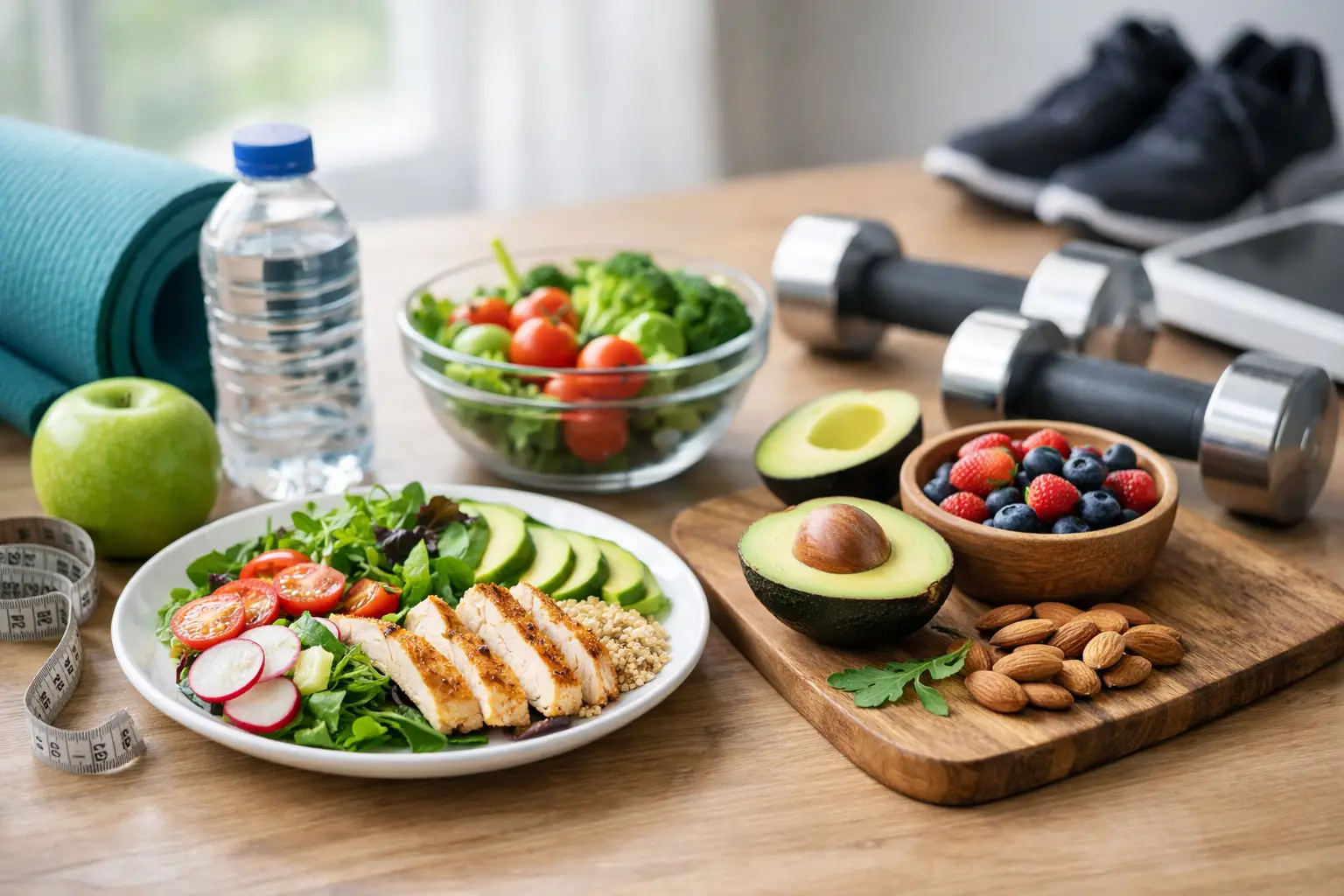
If your idea of healthy eating for weight loss starts with cutting out everything you enjoy, it is no surprise the plan usually falls apart by week two.
Most people do not need a stricter diet.
They need a more realistic way to eat that lowers calories, keeps them full, and still fits normal life.
As NIDDK explains in its weight-management guidance, the key is choosing an eating plan you can maintain over time, not one you can tolerate for nine miserable days.
That is where healthy eating can make a real difference.
Research and public health guidance keep pointing in the same direction: weight loss tends to be more sustainable when eating patterns focus on food quality, portion awareness, and consistency rather than extreme restriction.
The goal is not to eat perfectly. It is to create a calorie deficit in a way that supports energy, appetite control, and habits you can still live with next month.
The Dietary Guidelines for Americans and the World Health Organization’s healthy diet guidance both favor that broader, more sustainable approach.
What healthy eating for weight loss really means
At its core, healthy eating for weight loss means getting the nutrients your body needs while eating in a way that helps reduce excess body fat over time.
In practice, that usually looks like meals built around lean or protein-rich foods, high-fiber carbohydrates, healthy fats, and plenty of minimally processed foods.
Based on NIDDK’s plate method, a very workable setup is half a plate of fruits and vegetables, one quarter lean protein, and one quarter whole grains or other high-fiber carbs.
Notice what is missing from that definition: detoxes, starvation, and food rules that make you miserable.
Weight loss still depends on consuming fewer calories than you burn, but the foods you choose affect how easy or hard that feels.
A 500-calorie meal built from protein, vegetables, and whole grains will usually keep you satisfied much longer than 500 calories from chips and soda.
That is not nutrition snobbery. That is appetite doing what appetite does.
This does not mean processed foods are automatically off limits. It means the overall pattern matters most.
A balanced eating pattern can include foods you enjoy, as the FDA notes in its guidance on added sugars, as long as the overall diet still centers on nutrient-dense foods and calories stay within a workable range.
Why some “healthy” diets backfire
Many diets fail because they treat weight loss like a short emergency instead of a daily behavior pattern.
Cutting carbs too low, skipping meals, or relying on tiny portions can lead to intense hunger, low energy, and rebound overeating later.
NIDDK says much the same in its healthy eating game plan, which focuses on smaller portions, healthier swaps, and water over sugary drinks rather than punishment disguised as discipline.
There is also a common trap in foods marketed as healthy.
Smoothies, granola, wraps, protein bars, and salads can all support weight loss, but they can also become high-calorie meals once portions creep up or ingredients pile on. Healthy food is still food, and calories still count.
As NIDDK’s portion guide points out, how much you eat is just as important as what you eat.
That is why a trustworthy approach looks beyond labels. Instead of asking whether a food is good or bad, ask whether it is filling, nutrient-dense, and appropriate for your calorie needs.
That question tends to get you much farther than “Is this clean?” ever will.
Build meals that help you stay full
One of the most practical ways to eat better is to make meals harder to overeat.
Appetite is not just about willpower. It is strongly influenced by protein, fiber, food volume, and meal timing.
The idea behind Penn State’s Volumetrics approach is a good example: meals built around foods lower in calorie density tend to be more satisfying for the calories they provide.
Start with protein
Protein is especially helpful for weight loss because it supports fullness and helps preserve muscle during a calorie deficit.
That matters because maintaining muscle supports metabolic health while you lose weight.
Harvard’s Nutrition Source lists chicken, turkey, fish, eggs, Greek yogurt, cottage cheese, tofu, beans, and lentils among quality protein foods, and those are exactly the kinds of options that make meals more satisfying.
A simple target is to include a meaningful source of protein at each meal. Breakfast is often where people fall short.
Toast or cereal alone may leave you hungry quickly, while eggs with fruit, Greek yogurt with berries, or oatmeal with protein-rich add-ins tends to have more staying power. That is not especially glamorous advice, admittedly, but it works.
Use fiber to your advantage
Fiber slows digestion and helps meals feel more substantial. Vegetables, fruits, beans, lentils, oats, and whole grains all add fiber while supporting overall health.
As Harvard’s fiber guide notes, soluble fiber can slow digestion and may help reduce hunger, which is not exactly a small detail when you are trying to eat less without feeling deprived.
Meals that leave you hungry an hour later are often low in fiber, low in protein, or both. Adding roasted vegetables to dinner, berries to breakfast, or beans to lunch can make a noticeable difference without making eating feel restrictive.
From the outside, those changes look small. In real life, they tend to matter a lot.
Do not fear healthy fats, but watch portions
Healthy fats from foods like avocado, nuts, seeds, olive oil, and fatty fish can support satiety and heart health.
The WHO notes that unsaturated fats are preferable to saturated fats, and that part is true enough. The trade-off, though, is that fats are calorie-dense, so portions matter.
A drizzle of olive oil can be helpful. Several enthusiastic pours can quietly turn a lighter meal into a much larger one.
This is one area where healthy eating and weight loss sometimes pull in different directions. Nut butter, trail mix, and avocado are nutritious, but they are easy to overeat.
You do not need to avoid them. You just need to use them intentionally. That is less dramatic than banning them, but also much more adult.
Portion control matters, even with nutritious foods
People often assume weight gain comes mostly from fast food or dessert, but oversized portions of everyday foods can also stall progress.
Rice, pasta, cereal, nuts, smoothies, and restaurant salads are common examples. As noted in NIDDK’s portion resource, a portion is simply how much you choose to eat, and it may be much larger than a labeled serving.
That does not mean you need to measure every bite forever. It does mean learning what reasonable portions look like can be useful, especially at the beginning. Many people underestimate calorie intake without realizing it.
A short period of tracking meals, checking labels, or using measuring cups can help recalibrate your eye. Once you understand your usual patterns, you can shift toward a more flexible routine. Portion awareness is a skill, not a punishment.
Smart food swaps that actually help
Healthy eating for weight loss often works best when it feels familiar.
Instead of rebuilding your entire diet, look for changes that lower calories or improve fullness without making meals feel like a compromise. NIDDK’s practical weight-loss advice leans in exactly this direction.
A few examples include using Greek yogurt in place of sour cream, choosing grilled protein over fried, swapping sugary drinks for sparkling water or unsweetened tea, and adding vegetables to pasta dishes instead of simply eating less pasta.
Choosing whole fruit over juice is another small shift that can improve fullness because the fiber stays intact.
As the CDC’s “Rethink Your Drink” guidance puts it, choosing water instead of sugary drinks is one of the easier ways to cut calories without losing much satisfaction.
These changes sound simple because they are. The point is not perfection. The point is to make your usual meals work better for your goals.
Meal timing can help, but it is not magic
Some people do well with three balanced meals a day.
Others prefer smaller meals with one or two planned snacks. There is no single schedule that causes weight loss on its own. What matters more is whether your eating pattern helps control hunger and prevents late-day overeating.
Skipping breakfast, for example, is not automatically a problem. But when it leaves you ravenous by mid-afternoon and heading into dinner with the appetite of a small wolf, it may not be the best strategy for you.
Planned snacks can help too, especially when they prevent a drive-thru dinner or random pantry grazing later. Context matters more than rules here.
Night eating is another area where nuance helps. Eating at night does not automatically cause weight gain. But when evenings are when mindless snacking, takeout, or large portions happen, then nighttime habits probably deserve a look.
Usually, the issue is not the clock. It is what tends to happen when the day catches up with you.
What to drink when trying to lose weight
Calories from beverages are easy to miss because they do not usually create the same fullness as solid food.
Regular soda, sweet coffee drinks, energy drinks, juice, and alcohol can add up quickly. NIDDK’s current weight-loss advice specifically recommends drinking water instead of drinks with sugar such as soda, sports drinks, and fruit juice.
Water is the simplest default choice. Unsweetened tea, black coffee, and flavored sparkling water can also fit well.
Higher-calorie drinks do not need to be eliminated completely, but treating them as occasional choices rather than daily habits can make weight loss much easier.
The FDA’s page on added sugars points out that too much added sugar can make it harder to stay within calorie limits, and drinks are one of the biggest places those sugars pile up.
Alcohol deserves its own mention because it affects both calories and decision-making. The National Institute on Alcohol Abuse and Alcoholism’s alcohol calorie tool notes that alcohol supplies calories but few nutrients and may contribute to unwanted weight gain.
That is before you even get to the late-night food choices it sometimes inspires.
Make your environment do some of the work
Healthy eating is easier when your routine supports it.
That sounds obvious, but people underestimate how much their environment shapes their choices. As NIDDK notes, keeping higher-calorie snack foods out of sight and structuring your environment a little better can make it easier to stay on track.
A few practical changes can help: keep protein-rich foods on hand, wash and prep produce ahead of time, use smaller bowls for calorie-dense snacks, and make a grocery list before shopping. None of these habits are dramatic, but together they reduce friction.
This is where the practical approach really wins. Flashy plans are fun to read about. Boring habits are usually what get the result.
Expect progress to be uneven
Weight loss rarely follows a straight line.
Body weight can shift from day to day based on sodium, hormones, digestion, and hydration. That is normal. What matters is the trend over time and whether your habits are sustainable.
A plan that leaves you constantly hungry, socially isolated, or obsessed with food may produce short-term results but be very hard to maintain. A slightly slower pace that you can keep is often the better path.
NIAAA’s weight-loss and alcohol guidance even reminds people that gradual, steady loss is generally the more realistic target. Faster is not always better, especially when it leads to fatigue, muscle loss, or the classic restrict-binge cycle that nobody asked for.
A realistic way to start this week
A practical starting point is to adjust just three things: add protein to breakfast, fill half your lunch and dinner plate with vegetables or fruit-rich sides when appropriate, and replace one high-calorie drink each day with water or an unsweetened option.
Those changes alone can improve fullness and reduce calories without making your life revolve around a diet. They also line up very nicely with the simple steps NIDDK recommends for healthier eating and weight loss.
From there, pay attention to patterns rather than isolated meals. One restaurant dinner will not ruin progress.
One salad will not create it either. Healthy eating for weight loss is less about being good and more about being consistent enough that your average week supports your goal.
A useful question to keep asking is this: Can I eat this way next month, not just today?
When the answer is yes, you are probably on the right track.
Leave Feedback: Was this article helpful?