
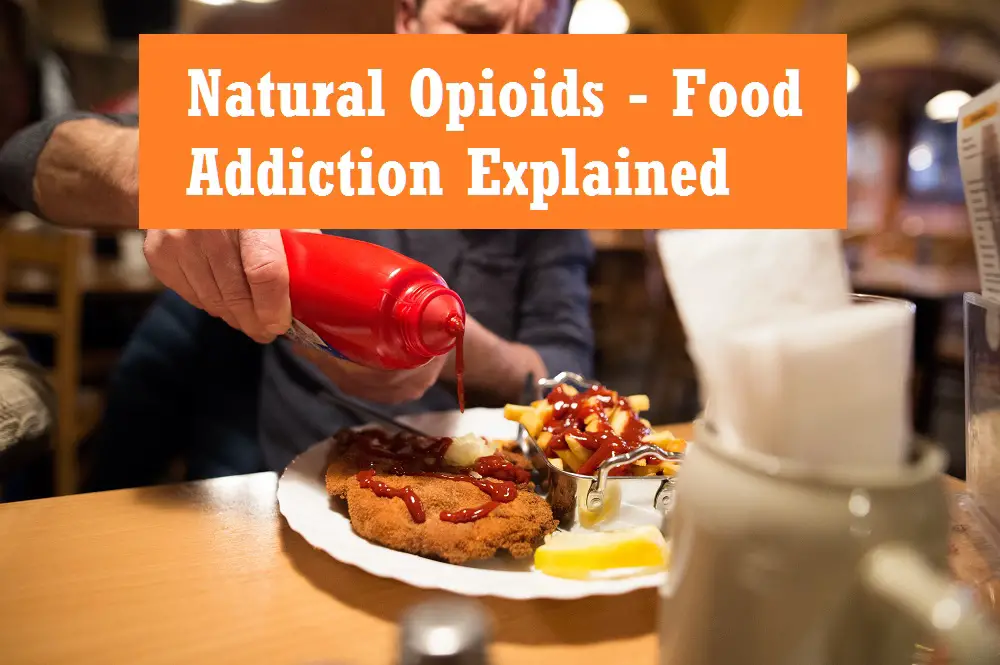
Have you ever eaten a food that was so good that you thought to yourself, “They must put something in this that makes me crave it”?
Well, not exactly a drug, but the feeling is not totally in your imagination either.
Some foods can trigger reward pathways in the brain, and certain food proteins can break down into compounds called exorphins. These compounds can act on opioid receptors, though the science is much more nuanced than saying bread or cheese is the same as a narcotic.
Processed foods are often designed to be craveable, but exorphins are only one piece of the story.
Could these molecules be contributing to overeating, cravings and the obesity epidemic? Short answer: Maybe, but they are definitely not acting alone.
Opioids
Opioids are molecules that act on opioid receptors in the body, similar to morphine, the main psychoactive chemical in opium. Medically, opioid medications can be important for acute pain relief, but they also come with a well-known risk for dependence and addiction.
The human body also makes its own natural opioid-like chemicals called endorphins, which are produced by the central nervous system and pituitary gland. The name comes from “endogenous morphine,” meaning morphine-like chemicals made inside the body.
Exorphins, on the other hand, come from outside the body. They are opioid peptides that can be released when certain proteins are broken down during digestion.
In food, exorphins are best known for being linked to gluten in wheat and casein in milk.
Gluten is the protein that helps give bread its structure and elasticity. Casein is a major milk protein, and it becomes especially concentrated when milk is turned into cheese.
The opioid activity of some food-derived peptides has been confirmed in laboratory and animal research. Where things get murkier is how much these peptides affect appetite, cravings or mood in everyday human eating patterns.
As noted in a review on bioactive food peptides, some of these compounds may interact with the gut, immune system and nervous system. But that does not mean every person who loves pizza is experiencing a true opioid-like addiction.
Food reward is real, but “food addiction” is still a debated term in science.
This is where I always think we need to be careful. Cravings are real, overeating can feel out of control, but blaming one compound can oversimplify a very complicated issue.
Opioids in dairy products
Caseomorphins are exorphins that can be produced from casein, the main protein in milk. Because cheese is made by removing much of the water from milk, casein becomes more concentrated in the final product.
This is one reason cheese often gets blamed for being “addictive.” Another reason, probably more important, is that cheese is rich, salty, creamy and often paired with refined carbohydrates.
Think pizza, grilled cheese, nachos or mac and cheese. I mean, no one is usually sitting around at night craving plain casein powder with a spoon.
Research has found that beta-casomorphins can have biological activity, especially in the gut. However, whether they meaningfully drive cheese cravings in most people is still not settled.
That does not mean you need to give up dairy unless you have an allergy, intolerance or another medical reason. Yogurt, kefir and some cheeses can provide protein, calcium and other nutrients, and they can absolutely fit into a healthy diet.
But portions still matter. A little cheese can add flavor and satisfaction, while a giant bowl of cheesy pasta every night may not be doing your heart health—or your energy levels—any favors.
The addictive potential of carbs
As mentioned earlier, exorphins are also found in wheat. During digestion, gluten can release peptides known as gluten exorphins, at least under certain conditions.
How many times have you reached for a second, or even third, roll from the breadbasket while waiting for dinner? Not judging, because warm bread before a meal is one of life’s sneakier temptations.
But here again, the story is not just about exorphins. Refined carbohydrates can be easy to overeat because they are soft, fast to digest and often combined with fat, sugar and salt.
That combination is basically the holy trinity of “I’ll just have one more bite.” Food manufacturers know this, and many ultra-processed foods are created to be intensely rewarding, convenient and hard to stop eating.
A 2023 review in The BMJ reported that ultra-processed food intake is associated with a higher risk of several health concerns, including obesity, type 2 diabetes and mental health outcomes. Association does not prove cause, but the pattern is strong enough that it deserves attention.
Another important point: Whole grains are not the same thing as cookies, pastries or white bread. Research consistently supports higher-fiber foods, including 100% whole grains, as part of a heart-healthy eating pattern.
In other words, the answer is usually not “never eat bread.” It is more likely, “choose better bread most of the time, and maybe don’t let the breadbasket become dinner.”
Is food addiction real?
This is where things get interesting. Some people do report addictive-like eating behaviors, including loss of control, intense cravings and continuing to eat certain foods despite negative consequences.
The Yale Food Addiction Scale is often used in research to measure these behaviors. It is not diagnosing a substance use disorder in the same way we would diagnose opioid addiction, but it does help researchers study patterns of compulsive eating.
Studies suggest that highly processed foods—especially those high in refined carbs and added fats—are more likely to be linked with addictive-like eating than minimally processed foods. Not exactly shocking that apples and lentils are not usually the foods people describe as “impossible to stop eating.”
Still, food addiction is not currently classified as an official diagnosis in the DSM-5-TR. Binge eating disorder is recognized, and anyone struggling with frequent loss-of-control eating deserves real support, not shame or another restrictive diet.
How can we control these cravings?
The answer is not to “switch to a different drug,” although I understand the appeal of that simple explanation. A better approach is to build more satisfying meals, reduce the foods that trigger overeating, and create other sources of reward that have nothing to do with the pantry.
Endorphins can be stimulated by everyday pleasures like exercise, laughter, affection from a pet, a hug from someone you love, music, time outside or getting lost in a good book. Not as glamorous as a magic supplement, I know, but usually more effective long term.
From a nutrition standpoint, it helps to avoid getting overly hungry. Meals that include protein, fiber-rich carbohydrates and healthy fats tend to be more filling than meals made mostly from refined carbs.
For example, toast with eggs and avocado will usually keep you fuller than toast with jam alone. Greek yogurt with berries and nuts will likely do more for appetite than a sweetened yogurt drink that disappears in four sips.
Keeping trigger foods out of sight can also help, especially if you know certain foods make you feel out of control. This is not about labeling foods as “bad”; it is about being honest with yourself about what makes healthy eating harder.
And yes, sleep matters too. Poor sleep can increase hunger hormones and cravings, which is why late-night snacking feels a lot more dramatic after a terrible night of rest.
Bottom Line
Exorphins are real, and they may play a role in how some foods affect the body. But cravings, overeating and addictive-like eating are influenced by many things, including food texture, calories, stress, sleep, environment, emotions and habits.
Highly processed foods are often engineered to be easy to eat and hard to stop eating. That does not mean you are weak; it means your brain is responding exactly how food companies hoped it would.
The best approach is not panic or total avoidance of everything enjoyable. Stock the house with more minimally processed foods, build balanced meals, enjoy treats intentionally and work on the habits that help you feel more in control.
Food should be pleasurable, but it should not feel like it is running the show. And when cravings feel constant or overwhelming, it may be time to get support from a registered dietitian, therapist or health care professional who understands eating behavior and can help you break the cycle of unhealthy addictions without adding more shame to the plate.
Leave Feedback: Was this article helpful?