
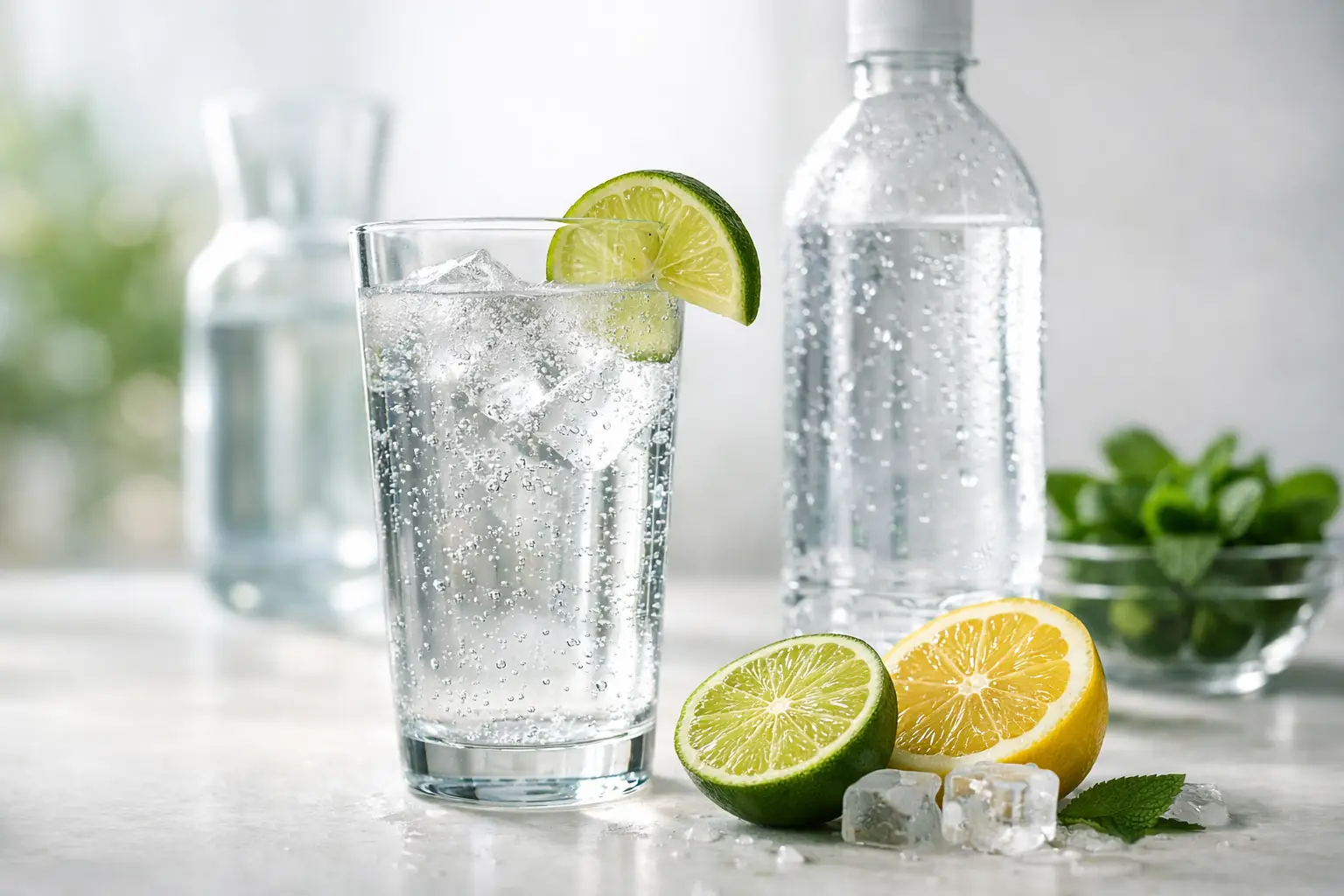
You reach for a cold can of sparkling water instead of soda and wonder if that fizzy swap is actually doing your body any favors. It is a fair question, because “healthy” depends on more than calories alone. If you have ever asked, is sparkling water healthy, the short answer is yes for most people – but the details matter.
Plain sparkling water is generally a healthy drink choice. It hydrates you much like still water, contains no sugar when unsweetened, and can help some people cut back on soda or other sweet drinks. At the same time, not every bubbly beverage on the shelf is nutritionally equal, and there are a few situations where carbonation may be less comfortable or less ideal.
Is sparkling water healthy for everyday drinking?
For most healthy adults, plain sparkling water is fine to drink every day. The biggest reason is simple: it helps with hydration. Carbonated water still counts toward your fluid intake, which means it can support the same basic body functions as regular water, including temperature regulation, digestion, and circulation.
This matters because many people struggle to drink enough plain water. If bubbles make hydration more appealing, sparkling water can be a practical solution rather than a problem. In real life, the best water choice is often the one you will actually drink consistently.
That said, the healthiest version is usually plain or naturally flavored sparkling water with no added sugar. Once a drink includes sweeteners, juice concentrates, caffeine, or sodium in higher amounts, it moves away from being just water and closer to a packaged beverage with its own pros and cons.
How sparkling water compares with still water
Nutritionally, plain sparkling water and plain still water are very similar. Both are calorie-free when unflavored and unsweetened. Both can support hydration. Neither has a meaningful advantage over the other for most people.
The main difference is carbonation. Sparkling water contains dissolved carbon dioxide, which creates the bubbles and slightly acidic taste. That acidity is often what sparks concern, especially around teeth and stomach comfort. But mild acidity does not automatically make a drink unhealthy.
From a practical standpoint, the choice often comes down to preference. Some people find sparkling water more satisfying, especially with meals or when trying to reduce alcohol or soda. Others feel bloated after a few sips and do better with still water. Both responses are normal.
Does sparkling water hydrate as well as regular water?
Yes. Plain sparkling water hydrates effectively. Your body absorbs it just as it does still water, so there is no reason to think carbonation somehow cancels out hydration.
There is a common myth that fizzy water is less hydrating or even dehydrating. That is not true for plain sparkling water. Confusion sometimes comes from beverages like soda or energy drinks, which may contain caffeine, sugar, or other ingredients that affect how they fit into an overall diet. Carbonation itself is not the issue.
If sparkling water helps you drink more fluids across the day, it may improve your hydration habits. For people who get bored with flat water, that can be a meaningful benefit.
What about your teeth?
This is where the answer gets more nuanced. Plain sparkling water is more acidic than still water, but it is far less harmful to teeth than sugary soda. The biggest dental concern is not carbonation by itself. It is the combination of acid and sugar, or stronger acids added for flavor.
Unsweetened sparkling water is generally considered much gentler on enamel than soft drinks. Still, flavored versions can vary. Drinks with citric acid, phosphoric acid, sugar, or fruit juice may increase the risk of enamel wear over time, especially if you sip them all day.
If you drink sparkling water often, a few habits can help. Choose plain or unsweetened options most of the time. Try not to hold or swish acidic drinks in your mouth. If you are especially concerned about enamel, drinking it with meals may be easier on your teeth than constant between-meal sipping.
Can sparkling water upset your stomach?
Sometimes, yes. Carbonation can cause bloating, belching, or a full feeling in some people. That does not mean sparkling water is unhealthy overall. It just means your digestive system may be sensitive to the bubbles.
For others, sparkling water may actually feel helpful. Some people find that it eases mild indigestion or makes them feel more satisfied after a meal. Response can vary a lot from person to person.
If you have acid reflux, irritable bowel syndrome, or frequent gas, it is worth paying attention to how you feel after drinking it. Sparkling water may not directly cause these conditions, but it can make symptoms more noticeable in certain people. In that case, reducing your intake or choosing still water more often may be the better fit.
Is sparkling water healthy for weight loss?
It can be a helpful choice if it replaces higher-calorie drinks. Swapping soda, sweet tea, juice drinks, or specialty coffee beverages for unsweetened sparkling water can lower your daily calorie and sugar intake without much effort.
That said, sparkling water is not a weight-loss trick on its own. It does not burn fat or speed up metabolism in any significant way. Its value is mostly behavioral. It can make it easier to stick with lower-calorie habits because it feels more interesting than plain water and more satisfying than “just giving something up.”
Some people also feel fuller when drinking carbonated water, at least temporarily. That might help with appetite in certain situations, but it is not consistent enough to count on as a major strategy. The real win is when sparkling water helps reduce sugary drink intake over weeks and months.
Flavored, sweetened, and mineral versions are not all the same
This is the part many labels blur. A can that looks like sparkling water may actually be closer to soda or a sweetened beverage.
Plain sparkling water usually contains carbonated water and maybe natural flavor. That is the simplest option. Sparkling mineral water contains naturally occurring minerals like calcium, magnesium, or sodium, depending on the source. Those minerals are not usually present in large enough amounts to transform your health, but they can slightly affect taste and sodium intake.
Sweetened sparkling drinks need a closer look. Some contain added sugar. Others use low- or no-calorie sweeteners. Whether those fit your diet depends on your goals and preferences, but they are different products nutritionally. If you are choosing sparkling water as a healthy habit, reading the ingredient list matters more than the front label.
Who may want to be cautious?
Sparkling water is safe for most people, but a few groups may want to be more selective. If you have chronic bloating, reflux, or a sensitive stomach, carbonation may be uncomfortable. If your dentist has warned you about enamel erosion, frequent acidic beverages of any kind deserve more attention.
People on sodium-restricted diets should also glance at the label on mineral waters, since some contain more sodium than others. Usually the amount is still modest, but it can add up if you drink several cans a day.
For children, plain sparkling water can be fine, though it may fill them up quickly or feel intense if they are not used to it. Water and milk generally remain the most practical everyday hydration staples for younger kids.
The healthiest way to choose sparkling water
If you want the health benefits without the common downsides, keep it simple. Choose unsweetened varieties most often. Check the label for added sugars, acids, sodium, or caffeine if you drink it regularly. Notice how your stomach and teeth feel over time.
It can also help to think about what sparkling water is replacing. If it replaces soda, that is usually a strong move in a healthier direction. If it replaces plain water because it is all you can tolerate, that is still often okay. But if highly flavored sparkling drinks lead you back toward sweet cravings or all-day acidic sipping, the trade-off is less favorable.
At The Healthy Apron, we look at choices like this through a practical lens: the best habit is one that supports your health and fits your real life. Sparkling water does both for many people.
A cold glass of plain sparkling water is not a wellness miracle, and it does not need to be. If it helps you stay hydrated, cut back on sugary drinks, and enjoy what you drink a little more, that is already a meaningful step in the right direction.
Leave Feedback: Was this article helpful?