
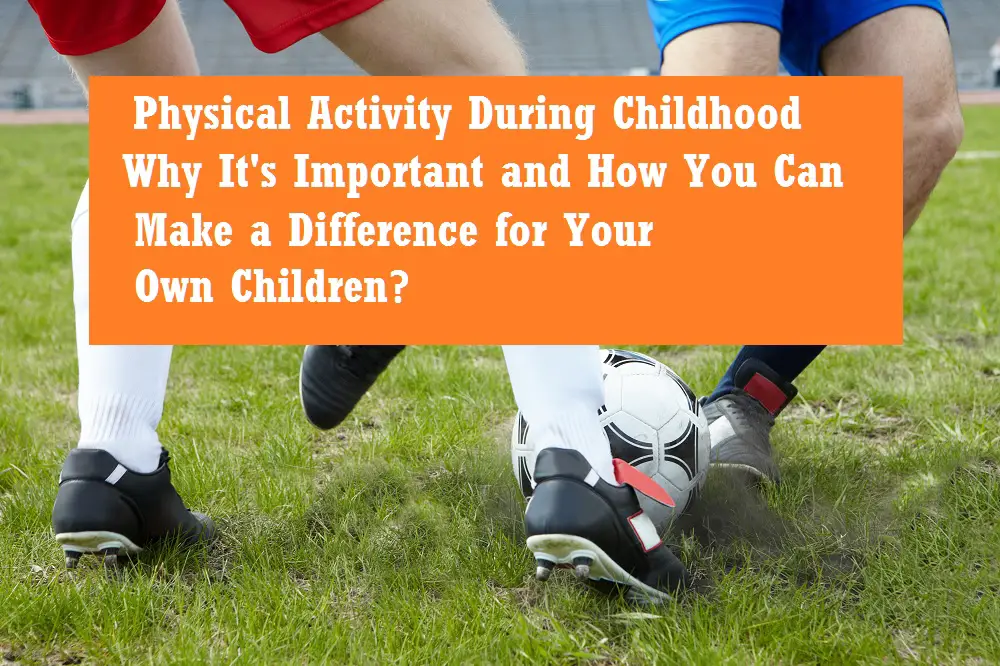
As an adult, you probably already know that regular physical activity is important for your health. What can be easier to forget is that it is just as important for children — and in some ways, even more important.
Physical activity during childhood is associated with better heart, bone, muscle and metabolic health, as well as improved mood, sleep, attention and confidence. Those benefits can also carry into adulthood, which is kind of the whole point here.
In today’s overscheduled, technology-obsessed world, getting kids to move more can feel like one more thing on the never-ending parent to-do list. But it does not have to mean structured sports every night or creating a mini Olympic training program in your backyard.
Sometimes, it simply means more playground time, more walking, more biking, more running around with friends and, yes, less sitting with a screen. The benefits of helping kids build an active lifestyle are worth the effort.
How Much Physical Activity Do Children Need?
Short answer: more than many are getting.
As stated by the Centers for Disease Control and Prevention, children and adolescents ages 6 to 17 should get at least 60 minutes of moderate-to-vigorous physical activity daily. Most of that can be aerobic activity, such as running, brisk walking, biking, dancing, swimming or playing tag.
The CDC also recommends that kids include muscle-strengthening activity at least three days per week and bone-strengthening activity at least three days per week. Think climbing, jumping, gymnastics, pushups, sports, playground games and other activities that make the body work against resistance or impact.
In other words, kids do not need a “workout plan” in the adult sense. They need frequent chances to move, play, climb, jump, run, stretch, sweat a little and have fun.
For younger children, the message is similar, but the movement may look more like active play than formal exercise. The World Health Organization continues to emphasize that every move counts, especially when it replaces sedentary time.
Physical Activity and Mental Functioning During Childhood
Exercise is not just about stronger muscles or a healthier heart. The brain gets in on the action too.
In a review published in the Journal of Science and Medicine in Sport, researchers reviewed 31 studies assessing the relationship between physical activity and mental functioning in preadolescent children. They found that physical activity can benefit attention in the short term, while regular exercise over time may help improve executive functions, such as planning, organization and self-control.
That matters because these are the skills kids use every day to follow directions, finish schoolwork, manage emotions and not completely melt down when their sibling looks at them the wrong way.
Long-term physical activity was also linked to benefits for attention and academic performance in the review. Children who engage in regular movement appear more likely to develop stronger mental skills compared with children who are not getting enough physical activity.
More recent research continues to support this relationship. A 2023 umbrella review in Sports Medicine – Open reported that physical activity is generally associated with improved cognition, academic achievement and mental health outcomes in children and adolescents, although the size of the benefit can vary depending on the activity, intensity and study design.
That last part is important. Exercise is not magic, and it will not instantly turn homework into a joyful family bonding experience, but it can be one meaningful piece of supporting a child’s brain health.
Physical Health Benefits of Regular Exercise

Childhood physical activity is linked to improved mental functioning, and as expected, it also supports physical health and wellness. This includes heart health, blood sugar control, bone strength, muscle development and healthy growth.
A study published in PLoS Medicine found that among children ages 16 and under, higher levels of physical activity were associated with lower blood pressure, triglycerides and blood sugar levels. Higher activity levels were also linked to lower metabolic health risk, even after accounting for obesity and other factors.
This is one of those reminders that movement is not only about weight. A child can benefit from physical activity regardless of body size.
A review in The Journal of the American Medical Association reached a similar conclusion after analyzing 14 studies involving more than 20,000 children. Children who spent more time doing moderate-to-vigorous physical activity had lower cardiovascular risk factors, regardless of the amount of time they spent being sedentary.
Physical activity can also help support a healthy body composition over time. In a study published in Preventive Medicine, researchers found that children who were more active between ages 4 and 11 had lower gains in body mass index and body fat from early childhood through adolescence.
Again, the goal is not to make children fearful of weight gain or overly focused on their bodies. The better goal is to help them build strength, stamina, confidence and a healthy relationship with movement.
Physical Activity, Sleep and Mood
One benefit that does not always get enough attention is sleep. Many parents would probably sign up for almost anything that gives their child a better night of sleep, and physical activity can help support that.
Based on the Physical Activity Guidelines for Americans, regular physical activity in youth is associated with improved cardiorespiratory and muscular fitness, bone health, weight status, cognition and reduced symptoms of depression. The guidelines also note that physical activity can support better sleep.
That does not mean every child will fall asleep instantly after soccer practice. Wouldn’t that be nice?
But regular movement during the day can help children use energy, regulate stress and create a healthier rhythm for the body. Paired with a consistent bedtime routine and reasonable limits on screens, it can be a pretty useful tool.
Why Kids Are Moving Less
Here is the not-so-fun part: many children are not getting the recommended amount of physical activity. And honestly, it is not hard to see why.
School days often include more sitting and less recess than they used to. Add homework, long commutes, safety concerns, busy family schedules, fewer walkable neighborhoods and the pull of screens, and the day can disappear before kids have had a real chance to move.
Sports can be wonderful, but they are not the only answer. Not every child likes competitive sports, and not every family has the time, money or transportation to make sports leagues work.
That is why physical activity has to be bigger than “sign them up for a team.” It needs to include everyday movement, active play and realistic options that fit the family.
Some kids are naturally drawn to running and climbing. Others need more encouragement, more choices or a little help finding something that does not feel like punishment in sneaker form.
How to Promote Physical Activity in Children
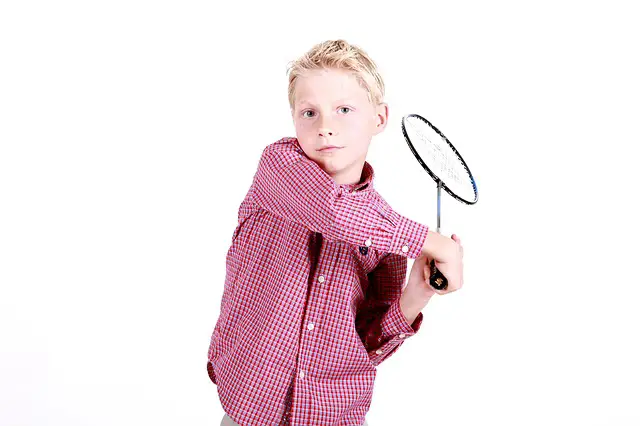
The physical and mental benefits of exercise in children are clear, but that does not mean encouraging children to be active is always easy. Promoting regular physical activity often requires parents and caregivers to make movement a normal part of everyday life.
One helpful strategy is giving children the chance to spend time with other active children. A study in Pediatric Exercise Science found that peer support was one of the top contributing factors to physical activity in children from grades 1 through 12.
That makes total sense. A child may complain about going outside alone, but suddenly running around with friends becomes the greatest idea anyone has ever had.
Involving children in sports, dance, martial arts, swimming or other group activities can give them the chance to move while also getting support from peers. For kids who are not into organized activities, bike riding, playground meetups, neighborhood soccer games or a simple game of tag can work just as well.
The same Pediatric Exercise Science study also found that children were more active when they spent afternoons being active instead of sedentary. This may mean setting up a routine where kids play outside before screen time, or choosing afterschool programs that include movement.
And yes, at first there may be complaining. That does not automatically mean the plan is a failure; it may just mean the routine is new.
Parents also have more influence than they may realize. A review in the Journal of Obesity found that parents who are more physically active tend to have more physically active children.
The researchers also found fairly strong evidence that parental support and encouragement can increase children’s physical activity levels. Examples included taking children to places where they can be active, telling them that physical activity is beneficial and exercising with them.
Specific Strategies for Encouraging Physical Activity
The research supports what many parents already know: children are more likely to move when movement is easy, available and enjoyable. We do not need to overcomplicate this.
Here are some realistic ways to help children get more physical activity:
- Take a family walk, hike or bike ride after dinner or on weekends.
- Let your child choose an activity, such as swimming, karate, ballet, gymnastics, soccer, basketball, dance or rock climbing.
- Create a family rule that, when weather allows, kids spend time outside after school before using devices or watching TV.
- Use local parks, playgrounds, community centers or gyms that offer open play or family activity time.
- Encourage active transportation when possible, such as walking or biking to school, a friend’s house or a nearby store.
- Invite older children to join you for a walk, workout, tennis match, run or bike ride.
- Turn chores into movement, such as raking leaves, washing the car, walking the dog or carrying groceries.
- Plan active family outings, like skating, bowling, swimming, hiking, mini golf or even a good old-fashioned trip to the playground.
- Keep simple equipment available, such as balls, jump ropes, scooters, hula hoops or sidewalk chalk for hopscotch.
- Limit long stretches of sitting by encouraging movement breaks during homework or screen time.
For children who are shy, hesitant or not confident with movement, start small. A 10-minute walk or a few minutes of dancing in the kitchen still counts.
For children with asthma, disabilities, chronic illness or injuries, physical activity is still often possible and beneficial, but it may need to be adapted. In those cases, it is worth checking with a pediatrician, physical therapist or other qualified health professional for specific guidance.
Helping Kids Enjoy Movement
This is where I think we sometimes get it wrong. Adults can make exercise sound like punishment, and kids pick up on that very quickly.
Movement does not have to be framed as burning calories, losing weight or “earning” food. In fact, I would avoid that language with children completely.
Instead, talk about how movement helps the body feel strong, sleep better, learn new skills, have more energy and spend time with friends. Better yet, say less and just make it fun.
Kids are more likely to stick with physical activity when it feels enjoyable, social and doable — not like another assignment they are being graded on.
Also, not every child will love the same activity. One child may thrive in team sports, another may prefer hiking, dance, swimming, martial arts, biking or simply playing outside with the dog.
The best activity is usually the one a child is willing to do again. A little trial and error is completely normal.
In Conclusion
There are many ways to encourage and support children in becoming more physically active, and none of them require perfection. The goal is to make movement a normal, regular and enjoyable part of life.
Regular physical activity during childhood can support stronger mental functioning, better mood, healthier sleep, improved fitness, stronger bones and a lower risk of cardiometabolic concerns such as high blood pressure, elevated blood sugar and unhealthy cholesterol levels. It may also help children build confidence in what their bodies can do.
The habits children develop now can last. A study in the American Journal of Preventive Medicine found that children ages 9 to 18 who consistently engaged in higher levels of physical activity were more likely to be physically active as adults.
That does not mean every child needs to become an athlete. It simply means that helping kids move more today may make it easier for them to live healthier tomorrow.
And if that starts with a walk around the block, a game of tag or a dance party in the kitchen, I say that counts.
Leave Feedback: Was this article helpful?