
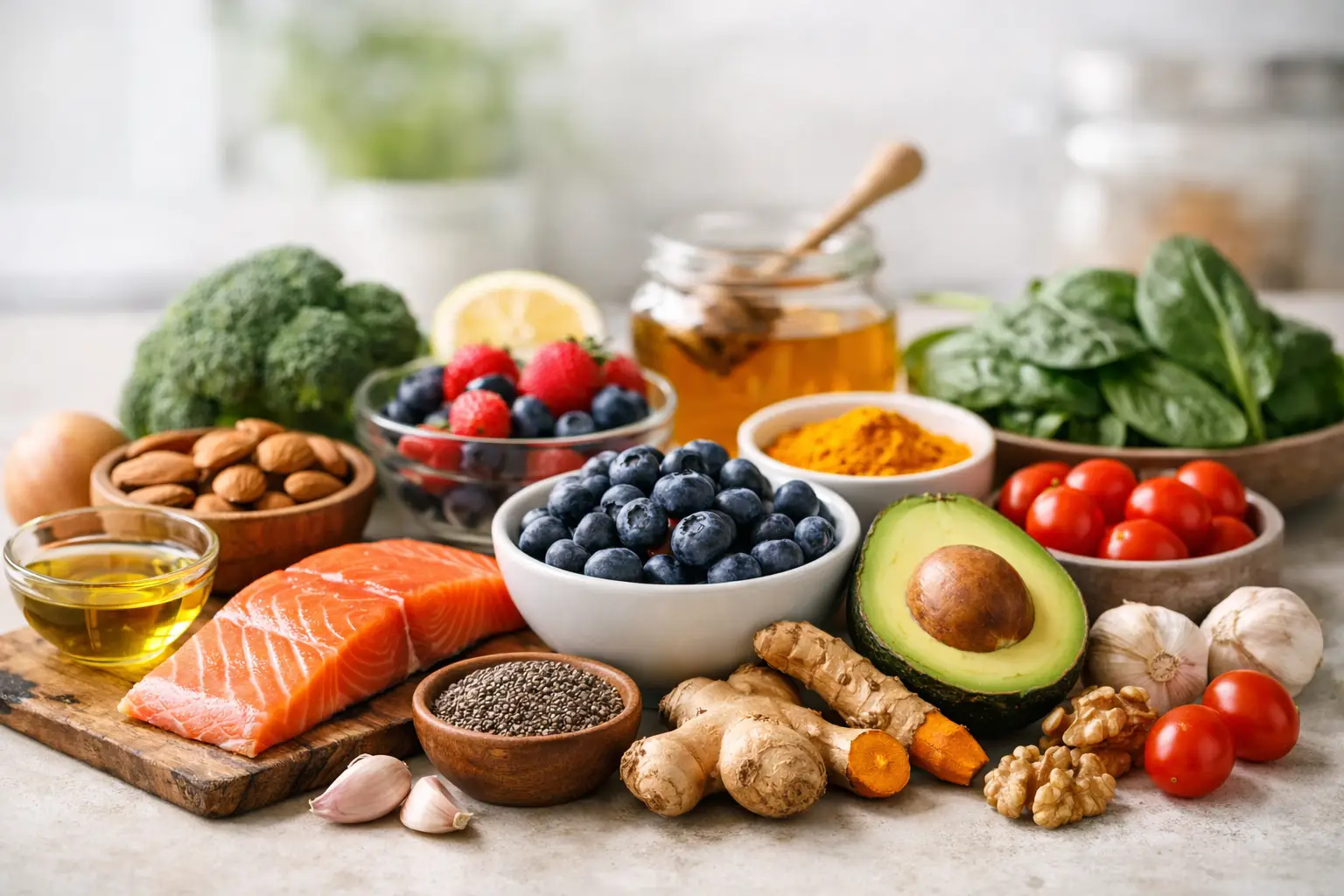
A swollen ankle after a long walk is inflammation doing its job. It is part of the body’s normal repair response. The concern is persistent, low-grade inflammation, which is associated with conditions such as heart disease, type 2 diabetes, and some forms of arthritis. The best anti inflammatory foods will not erase every ache or replace medical care, but eating them regularly can support a dietary pattern linked with better long-term health.
The most useful approach is not to chase a single “superfood.” Research consistently points toward an overall eating pattern rich in plants, fiber, healthy fats, and minimally processed foods. That leaves plenty of room for meals you actually enjoy and can afford.
What makes a food anti-inflammatory?
Foods are often called anti-inflammatory when they provide compounds that may help influence inflammatory processes in the body. These include fiber, unsaturated fats, vitamins, minerals, and plant compounds called polyphenols. Many also support a healthier gut microbiome, which may play a role in immune function and inflammation.
Still, inflammation is complicated. Sleep, stress, physical activity, smoking, alcohol use, body weight, chronic illness, and certain medications can all affect it. A blueberry smoothie cannot cancel out a diet built mostly around sugary drinks and highly processed snacks. The goal is consistency, not perfection.
12 best anti inflammatory foods for everyday meals
1. Fatty fish
Salmon, sardines, trout, herring, and canned light tuna provide omega-3 fats, especially EPA and DHA. These fats are involved in pathways that help regulate inflammation. Studies of dietary patterns and omega-3 intake suggest benefits for heart health, and some people with inflammatory joint conditions may notice modest improvements in stiffness or tenderness.
Aim for fish about twice a week when possible. Canned salmon or sardines are often budget-friendly choices and work well in salads, grain bowls, or sandwiches. If you do not eat fish, discuss plant-based omega-3 options with a qualified clinician, since the body converts plant omega-3s less efficiently.
2. Berries
Blueberries, strawberries, raspberries, and blackberries are rich in anthocyanins, the pigments that give many berries their deep red, blue, and purple colors. They also supply fiber and vitamin C with relatively little added sugar when eaten plain.
Fresh berries are great, but frozen berries are equally practical and nutritious. Add them to oatmeal, plain yogurt, or a smoothie. Skip the heavily sweetened berry sauces and syrups, which can turn a healthy food into more of a dessert.
3. Leafy green vegetables
Spinach, kale, collards, arugula, and Swiss chard provide vitamin K, folate, carotenoids, and a variety of antioxidant compounds. Their fiber also helps make meals more filling, which can be useful for people working toward a healthy weight.
Raw salads are not the only option. Sauté greens with olive oil and garlic, stir them into soups, or blend a handful of spinach into eggs. If you take warfarin or another medication affected by vitamin K, keep your leafy-green intake consistent and ask your prescriber for individualized guidance.
4. Extra-virgin olive oil
Extra-virgin olive oil is a cornerstone of Mediterranean-style eating, one of the most studied dietary patterns for cardiovascular health. It contains monounsaturated fat and polyphenols, including oleocanthal, a compound that has been studied for anti-inflammatory activity.
Use it in place of butter or refined oils when it suits the recipe. Try it in homemade salad dressing, roasted vegetables, beans, or whole-grain pasta. It is calorie-dense, so a drizzle is usually enough.
5. Beans and lentils
Black beans, chickpeas, kidney beans, lentils, and split peas deliver a powerful combination of fiber, plant protein, potassium, magnesium, and polyphenols. Higher fiber intake is associated with better metabolic and heart health, and it can help feed beneficial gut bacteria.
Canned beans are convenient. Rinse them to reduce sodium, then add them to chili, tacos, salads, or pasta. If beans cause gas, start with smaller portions and increase gradually while drinking enough water.
6. Nuts and seeds
Walnuts, almonds, pistachios, chia seeds, flaxseed, and pumpkin seeds provide unsaturated fats, fiber, and minerals. Walnuts, chia, and flax are especially notable for alpha-linolenic acid, a plant form of omega-3 fat.
A small handful of nuts makes a satisfying snack, while ground flax or chia can be mixed into oatmeal or yogurt. Choose unsalted or lightly salted options most often. Portion awareness matters because nuts are nutritious but easy to overeat straight from the bag.
7. Tomatoes
Tomatoes contain lycopene, a carotenoid that has been studied for antioxidant and anti-inflammatory effects. Cooking tomatoes with a little olive oil may help your body absorb lycopene more effectively.
Use canned no-salt-added tomatoes in soup, chili, or pasta sauce, or pair fresh tomatoes with beans, whole grains, and herbs. Tomato products can be high in sodium or added sugar, so check labels on jarred sauces and ketchup.
8. Cruciferous vegetables
Broccoli, cauliflower, Brussels sprouts, cabbage, and bok choy contain fiber and sulfur-containing plant compounds. These vegetables are also filling, versatile, and easy to prepare in batches.
Roasting brings out their sweetness, especially when finished with lemon, olive oil, and black pepper. If large servings cause digestive discomfort, try smaller amounts or cook them until tender.
9. Whole grains
Oats, quinoa, brown rice, barley, bulgur, and whole-wheat foods retain more fiber and nutrients than refined grains. Fiber supports regular digestion and may help improve cholesterol and blood sugar management, both important parts of overall metabolic health.
The key is swapping, not adding. Choose oatmeal instead of a sugary pastry at breakfast, or brown rice instead of white rice with dinner. For people with celiac disease or gluten sensitivity, naturally gluten-free options such as oats labeled gluten-free, quinoa, and brown rice can fit better.
10. Avocados
Avocados offer monounsaturated fats, fiber, potassium, and several vitamins. They can make meals more satisfying without relying on highly processed spreads or creamy sauces.
Mash avocado onto whole-grain toast, add it to a bean bowl, or use it in a salad. It is healthy, but not mandatory. Olive oil, nuts, and seeds provide similar types of beneficial fats for people who do not enjoy avocado or find it expensive.
11. Garlic, ginger, and turmeric
These flavorful ingredients are not miracle cures, but they can make anti-inflammatory eating more appealing. Garlic contains sulfur compounds, ginger contains gingerols, and turmeric contains curcumin. Laboratory and small clinical studies are promising, though the effects of typical food portions are usually modest.
Use them generously in cooking rather than relying on high-dose supplements. Turmeric is absorbed better with black pepper and a source of fat, such as olive oil. Supplements can interact with medications and may not be safe for everyone, particularly at high doses.
12. Plain yogurt or kefir
Yogurt and kefir with live and active cultures can provide protein, calcium, and beneficial bacteria. Fermented foods may support gut health, though responses vary from person to person and research is still developing.
Choose plain versions to limit added sugar, then add berries, nuts, or cinnamon for flavor. Dairy-free fermented options can work too, but check that they contain live cultures and are not mostly sweetened starches.
Build meals around an anti-inflammatory pattern
Instead of trying to eat all 12 foods every day, use a simple formula: fill half your plate with vegetables or fruit, include a protein source, choose a high-fiber carbohydrate, and add a source of unsaturated fat. For example, salmon with roasted broccoli, brown rice, and olive oil checks several boxes without feeling like a restrictive “health meal.”
Breakfast could be oatmeal with berries, walnuts, and plain yogurt. Lunch might be a lentil salad with tomatoes, leafy greens, and olive oil vinaigrette. These are flexible templates, not rules.
It also helps to reduce foods that tend to crowd out healthier choices: sugary drinks, refined baked goods, processed meats, and heavily fried foods. You do not need to label these foods forbidden. Having them less often and building most meals from nutrient-dense ingredients is a more realistic strategy.
When food is not enough
Talk with a healthcare professional if you have ongoing joint swelling, unexplained fatigue, persistent digestive symptoms, fever, chest pain, or pain that interferes with daily life. These symptoms can have causes that need diagnosis and treatment. Food can support your health, but it should not delay needed care.
A practical next step is to choose one food from this list for your next grocery trip. Small, repeatable changes – like keeping frozen berries on hand or making beans part of one dinner a week – are how an anti-inflammatory eating pattern becomes a normal part of life.
Leave Feedback: Was this article helpful?