
Anisocytosis is a condition that can indicate other, more serious blood-related issues.
Many people have a general understanding of such things as sickle cell and other forms of anemia.
The words iron deficiency are often thrown around a lot as well. What all these things have in common is anisocytosis.
Understanding more about anisocytosis is key to determining if you or someone else may have these types of serious red blood cell issues.
Here is everything you need to know, and what you can do, about this condition.
What is Anisocytosis?
Anisocytosis is a condition in which the red blood cells have unequal sizes. The name of the condition itself spells out what it entails.(1)
Aniso – This means unequal, or dissimilar. Cytosis – This term often comes up to indicate or refer to the movement of, a number of, or features of cells.
Why Are Uneven Red Cell Sizes a Problem?
The shape and size of your red blood cells are ideal for the transport of oxygen.
When some are larger than others are, the oxygen transport system is not working as efficiently as it can.(2,3)
When some are misshapen, it is harder for the blood cells to disseminate oxygen as efficiently, and as closely, to other parts of your body.
Because of that lack of efficiency, you will start to suffer from many of the symptoms of anisocytosis.
Anisocytosis Symptoms
There are various symptoms that can alert you to a red blood cell problem.
Sometimes these symptoms are mild, but they can also become severe. Stay alert for any of the following symptoms.(4,5,6)
» Fatigue, tiredness – Feeling tired all the time, or becoming tired without much effort. A general lack of energy and a lethargic feeling.
» Breathlessness – Due to that inefficient oxygen delivery, you may feel shortness of breath occasionally, or frequently.
» Rapid, increased heart rate – Heart rhythms can increase for apparently no reason. Even if there is no activity. This is the heart trying to make up for the lack of efficiency of the red blood cells.
» Pale skin – Since oxygen is not making it to your tissue, as it should, your skin, nails, and eyes can become noticeably paler.
These are all signs of anisocytosis. They are also signs of other blood-related issues.
Given that anisocytosis can lead to other issues, or represent a symptom of another issue, it is important that you do not ignore these types of symptoms.
Rating | Product | Our Rating | Price on Amazon |
|---|---|---|---|
#1 | |||
#2 | |||
#3 | |||
#4 |
| ||
#5 |
Anisocytosis is a blood smear finding that means your red blood cells are not all the same size. Not exactly dinner conversation, I know, but it can be an important clue that something else is going on in the body.
Red blood cells should be fairly uniform because their job is to carry oxygen throughout the body. When they vary too much in size, it may point to anemia, a vitamin deficiency, an inherited blood disorder or another underlying condition that needs a closer look.
Where Does Anisocytosis Come From?
There are many things that can cause anisocytosis. Conversely, there are many conditions that list anisocytosis as a symptom or laboratory finding.
The most common causes include iron deficiency, vitamin B12 or folate deficiency, certain types of anemia and inherited blood disorders. As noted by the Mayo Clinic on causes of low hemoglobin, low red blood cell levels can happen for many reasons, including blood loss, nutritional deficiencies and chronic disease.
» Iron deficiency – Iron is a key part of red blood cell production and hemoglobin, the protein that helps carry oxygen. A lack of iron can lead to smaller red blood cells, irregular cell size and iron-deficiency anemia.
» Vitamin deficiency – Low vitamin B12 or folate can lead to larger-than-normal red blood cells and changes in red blood cell size. Vitamin A may also play a role in red blood cell production, though B12, folate and iron tend to be the big ones doctors look for first.
» Anemia – There are various forms of anemia, and anisocytosis is commonly seen with several of them. In plain English, anemia means your body does not have enough healthy red blood cells or hemoglobin to carry oxygen the way it should.
» Blood loss – Heavy menstrual bleeding, gastrointestinal bleeding, surgery or injury can all contribute to anemia and changes in red blood cell size. Sometimes the blood loss is obvious, and sometimes it takes testing to figure it out.
» Chronic disease – Kidney disease, inflammatory conditions, cancer and chronic infections may affect red blood cell production. The body is never quite as simple as one lab number, unfortunately.
There are also various conditions, diseases and syndromes that can lead to anisocytosis, including:
• Myelodysplastic syndrome, or MDS
• Chronic liver disease
• Kwashiorkor, or severe protein deficiency
• Thalassemia and other inherited blood disorders
Blood transfusions can also temporarily change the mix of red blood cell sizes in a sample. That does not automatically mean something dangerous has happened, but it is one more reason lab results need to be interpreted in context.
Diagnosing Anisocytosis
 The main way to identify anisocytosis is with a blood test, usually a complete blood count, or CBC, and sometimes a peripheral blood smear. Looking at the sample under a microscope can reveal whether the red blood cells have uneven sizes, unusual shapes or other features that help point toward a cause.
From that initial look, more tests are often performed to see the extent and nature of the issue. As stated by the National Library of Medicine review on complete blood count testing, CBC results can give important information about red blood cells, white blood cells and platelets, but they are usually just one piece of the puzzle.
• MCV – Mean corpuscular volume, or MCV, measures the average size of your red blood cells. Low MCV often points toward iron deficiency or thalassemia, while high MCV can suggest vitamin B12 deficiency, folate deficiency, alcohol use, liver disease or certain bone marrow problems.
• RDW – Red blood cell distribution width, or RDW, measures how much red blood cell size varies. A higher RDW means there is more size variation, which is basically what anisocytosis is describing.
• Peripheral blood smear – This test allows a trained professional to look directly at the shape, size and appearance of blood cells. It can help distinguish anisocytosis from other red blood cell changes, such as poikilocytosis, which refers to abnormal cell shape.
That range of red blood cell variation may be described in general terms, such as mild, moderate or marked anisocytosis. Some lab reports may also use grading like +1 or +2, though wording can vary by laboratory.
+1 anisocytosis usually means a lower amount of irregularly sized red blood cells.
+2 anisocytosis usually means a higher amount of irregularly sized red blood cells.
From these tests, a physician can start narrowing the list of possible causes. The pattern matters quite a bit here, because small red blood cells and large red blood cells do not always point to the same problem.
Anisocytosis with a high volume of smaller red blood cells may indicate low iron, thalassemia trait or another type of microcytic anemia. Iron studies, including ferritin, serum iron and transferrin saturation, are often used to help sort that out.
Anisocytosis with a high volume of larger red blood cells may point to vitamin B12 deficiency, folate deficiency, liver disease, alcohol use, hypothyroidism or certain bone marrow conditions. The NIH Office of Dietary Supplements notes that vitamin B12 is needed for red blood cell formation, which is why low levels can show up in blood work.
Anisocytosis with more normal than abnormal red blood cells can still matter. Even a smaller number of abnormal cells may be an early sign of a nutritional deficiency, recovery from anemia or another developing issue.
Keep in mind that you may need additional testing to determine whether anisocytosis represents a symptom of another problem. These tests might include iron studies, vitamin B12, folate, reticulocyte count, thyroid testing, liver function tests, kidney function tests or genetic testing for inherited blood disorders.
Possible Misdiagnosis
Because anisocytosis can be connected to many other conditions, the cause can sometimes be misunderstood. There is also a possibility of over-focusing on the word “anisocytosis” and missing the more important question: why are the red blood cells uneven in size?
It is important that you and your primary physician seek help from professionals who deal with blood-related issues when there is any doubt whatsoever. A hematologist may be needed, especially when results are severe, persistent, unexplained or linked with other abnormal blood counts.
A misdiagnosis can turn into a serious problem if you start treatments for a condition you do not have. For example, taking iron when you do not need it is not a harmless little wellness habit, since too much iron can be dangerous for some people.
Older symptom-checking resources may mention the possibility of misdiagnosis, including this anisocytosis misdiagnosis page, but your own lab results and medical history should always guide next steps. Which brings us to the less exciting but very necessary advice: do not try to diagnose this one by guessing.
Treatments for Anisocytosis
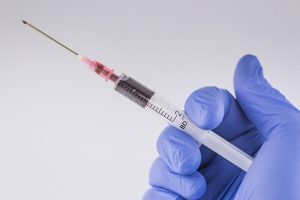 Treatments for anisocytosis can vary greatly because anisocytosis itself is not usually treated as a stand-alone disease. The real goal is to find and treat the underlying cause.
There is no single “cure for anisocytosis” that fits everyone. Once the cause is managed, the red blood cell size pattern often improves over time, though how quickly that happens depends on the condition.
Some examples of treatments include the following:
» Supplements – When iron, vitamin B12 or folate deficiency is the cause, supplementation may be recommended. This may involve oral supplements, injections or IV treatment depending on the severity and the reason for the deficiency; some people still compare products or check price on amazon.com, but dosing should really be discussed with a clinician first.
» Change in diet – Similar to taking supplements, a change in diet may help when the issue is tied to nutrient intake. Iron-rich foods include meat, poultry, seafood, beans, lentils, spinach and fortified grains, while B12 is found mostly in animal foods and fortified products.
» Treating blood loss – When anemia is caused by bleeding, treatment may need to focus on the source of the bleeding. That could include managing heavy menstrual bleeding, evaluating gastrointestinal bleeding or addressing another medical cause.
» Blood transfusion – A blood transfusion may be used in more severe or urgent cases of anemia. It can help restore red blood cells, but it does not necessarily fix the reason the anemia happened in the first place.
» Managing chronic disease – When anisocytosis is related to kidney disease, liver disease, inflammatory disease, MDS or an inherited blood condition, treatment needs to focus on that condition. This is where a specialist often becomes very useful.
Sources such as older medical texts on blood cell disorders, including this hematology reference and this clinical reference, describe how changes in red blood cell size can appear across many different disorders. That is why treatment should match the diagnosis, not just the lab description.
For those who want a basic refresher, resources on iron-deficiency anemia and the red blood cell explain the basics of how these cells work. Just remember, general education is not the same thing as medical advice.
Even within anemia, there are different treatments for different types. The National Heart, Lung, and Blood Institute also emphasizes that anemia treatment depends on the cause, severity and overall health of the person.
For example, some forms of hemolytic anemia require consistent, ongoing treatments, and this older NHLBI page on hemolytic anemia describes how treatment can vary. A person may need medications, transfusions, procedures or monitoring depending on the diagnosis.
While these treatments are aimed at the underlying issue, they can also improve the red blood cell changes seen with anisocytosis. Annoying answer, but true: the best treatment depends on the “why.”
What You Can Do About It
If you or a loved one has symptoms that may be related to anemia, such as fatigue, weakness, shortness of breath, dizziness, pale skin, fast heartbeat or unusual cravings like ice, it is worth getting checked. These symptoms do not automatically mean anisocytosis, but they do mean your blood work may deserve attention.
Here are a few reasonable next steps:
• See a physician and ask whether a CBC, iron studies, vitamin B12 and folate testing make sense
• Evaluate your diet and look honestly at whether you regularly eat iron-rich, protein-rich and vitamin-rich foods
• Tell your doctor about heavy bleeding, digestive symptoms, pregnancy, recent surgery, chronic illness or family history of blood disorders
• Follow your physician’s suggestions, especially before starting iron or high-dose vitamin supplements
Without immediate access to a physician, some people look into an over-the-counter anemia test kit or try to give yourself a small evaluation. These options cannot confirm anisocytosis, and they cannot identify the cause, but they may push you to seek proper care sooner.
Most importantly, do not ignore abnormal blood work just because you feel “mostly fine.” Bodies can be sneaky like that.
Conclusion
Anisocytosis itself is not usually the life-threatening part. It is more often a sign that your body may be dealing with something else, such as anemia, a nutrient deficiency, blood loss or a chronic condition.
Seeing a physician for a blood test is the first order of business if you suspect a blood issue. Even better, ask what the results mean together — hemoglobin, MCV, RDW, ferritin and the blood smear — instead of focusing on one word from the lab report.
From there, you and your physician can figure out the next step. And in most cases, that is a much better plan than guessing, Googling at midnight and deciding you either need spinach or a panic attack.
Leave Feedback: Was this article helpful?