
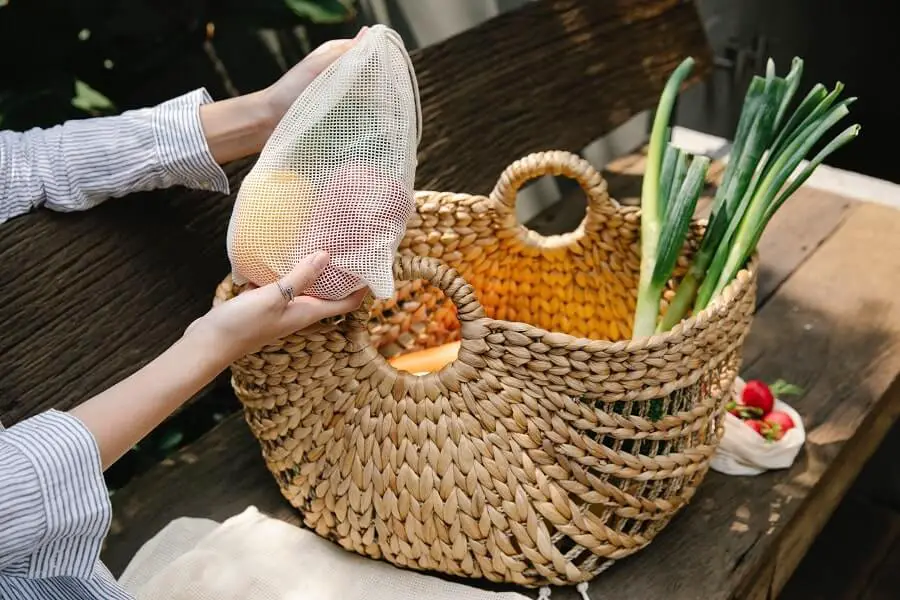
Are you wondering if you can eat raw leeks? They look like giant green onions, smell a little oniony and show up in everything from soups to fancy little salads, so the question is fair.
Leeks and onions have a lot in common because they both belong to the allium family, along with garlic, scallions, shallots and chives.
But eating leeks raw can feel a little less obvious. They are thicker, a bit more fibrous and, let’s be honest, they usually arrive from the grocery store with enough dirt tucked inside to make you wonder what exactly is going on in there.
Here’s everything you need to know about eating raw leeks safely, how to clean them properly and where they actually taste good.
Can You Eat Raw Leeks?
Short answer: yes, you can eat raw leeks.
Raw leeks are safe to eat when they are fresh, washed well and trimmed properly. Compared with onions, they are usually milder, a little sweeter and less aggressive, which makes them a nice option for salads, slaws, sandwiches and garnishes.
Compared with green onions, however, leeks are more fibrous. That means you probably do not want to bite into a huge raw chunk unless chewing through vegetable rope is your thing.
Thinly sliced is the way to go. The thinner you slice them, the better they blend into a dish instead of taking over the whole situation.
Raw leeks still have that allium smell, but they are usually not as sharp as raw onions. There is even research looking at food compounds and breath odor, which feels like the kind of study we all appreciate right before a dinner date.
That said, I still would not eat a giant bowl of raw leeks before close-talking anyone. Mild does not mean invisible.
Are Raw Leeks Safe?
For most healthy adults, yes, raw leeks are safe. The main thing is that they need to be cleaned really well because leeks grow in layers and those layers are fantastic at trapping soil.
As noted by the FDA’s produce safety guidance, fresh fruits and vegetables should be rinsed under running water before eating, cutting or cooking. That definitely applies here.
Do not just rinse the outside and call it a day. With leeks, the dirt is not only on the outside; it can be hiding between the leaves like it pays rent there.
People with sensitive digestion may also want to take it slow with raw leeks. Like onions and garlic, leeks contain fructans, a type of carbohydrate that can trigger gas, bloating or discomfort in some people, especially those who are sensitive to FODMAPs.
That does not mean leeks are “bad.” It just means your gut may have opinions, and sometimes those opinions are loud.
Can You Eat Baby Leeks Raw?
Baby leeks can be eaten raw, and honestly, they are often the better choice for it.
They are usually more tender, milder and easier to slice thinly than larger mature leeks. When raw texture matters, baby leeks have the advantage.
The downside is that baby leeks can be harder to find and may cost more. Funny how the smaller vegetable is often the one with the bigger price tag.
When you can find them, use baby leeks in salads, grain bowls, omelets, pasta, roasted vegetable platters or as a fresh garnish. They also cook quickly, which makes them easy to add to weeknight meals.
What Part of Leeks Can You Eat?
The most commonly eaten parts of a leek are the white bulb and the light green section. These are the most tender parts and work best raw or cooked.
The dark green leaves are technically edible, but they are tougher, more fibrous and not nearly as pleasant raw. I would save them for stocks, broths and soups rather than tossing them into a salad and pretending everyone is going to be excited.
Leeks are bulb vegetables, which is why the root end looks like a little cluster of strings.
The roots should be trimmed off and discarded. They are not the part you want in your food.
You can also trim away any dry, bruised, slimy or discolored outer layers. Fresh leeks should feel firm and crisp, not soft, mushy or suspicious.
For raw eating, focus on the white and pale green portions. The dark green tops are better used for flavoring broth, then removed before serving.
How to Choose Good Leeks
Raw leeks are only as good as the leeks you start with. Since you are not cooking them down into a soup, freshness matters even more.
Here is what to look for at the grocery store or farmers market:
- Choose leeks with firm white bulbs and crisp green tops. Limp, yellowing or slimy leaves are not signs of greatness.
- Look for leeks with a longer white and light green section. Those are the parts you will use most often.
- Pick smaller leeks when you plan to eat them raw. Smaller leeks tend to be more tender and less woody.
- Avoid leeks with dark spots, mold, strong sour smells or mushy areas. Those leeks have already made other plans.
- Choose baby leeks when available. They are usually milder and better suited for salads and raw preparations.
Once you get them home, store leeks unwashed in the refrigerator. Keep them in a loose produce bag or wrapped lightly, and try to use them within about one to two weeks for best texture.
Do not wash them before storing unless you are using them right away. Extra moisture can make them spoil faster.
How to Clean Leeks Before Eating Them
Cleaning leeks is not hard, but it does require a little more effort than rinsing a cucumber. Because soil is often piled around the plant as it grows, dirt gets trapped between the layers.
This is the part where many people rush, and then wonder why their soup has crunch in it. Spoiler: it is not the good kind of crunch.
Step 1: Trim the Roots
Start by cutting off the stringy roots at the bottom of the leek. Try not to remove too much of the white part because that is the good stuff.
Also remove any dry or damaged outer leaves. Leeks are layered, so peeling away one tough outer layer can make a big difference.
Step 2: Cut the Leek Lengthwise
Slice the leek lengthwise from the dark green top down through the light green and white sections. This opens up the layers so you can actually see where the dirt is hiding.
Fan the layers apart gently with your fingers. You do not need to destroy the leek, just open it enough for water to get through.
Step 3: Rinse Under Running Water
Hold the cut leek under cool running water and rinse between the layers. Rub gently with your fingers until the water runs clear.
The CDC also recommends washing produce under running water and drying it with a clean cloth or paper towel. That last step helps remove extra moisture, which is especially helpful when using leeks raw.
Step 4: Slice and Rinse Again for Salads
For salads, slaws or garnishes, slice the leek into thin half-moons or rings after trimming. Add the sliced leeks to a bowl of cold water and swish them around with your hands.
Let the dirt settle to the bottom, then lift the leeks out instead of pouring everything through a strainer. This way, the grit stays behind where it belongs.
Dry the leeks with a salad spinner or clean towel before using them. Wet leeks in a salad are not unsafe, just sad.
What Do Raw Leeks Taste Like?
Raw leeks taste like a softer, sweeter version of onions with a little scallion-like bite. They are not as spicy as raw onion and not as delicate as chives.
The flavor is fresh, grassy, mildly oniony and slightly sweet. The texture is where people can get divided because leeks are more fibrous than many other raw vegetables.
That is why slicing matters. Thin slices are pleasant; thick slices can feel chewy and distracting.
A quick soak in cold water can also mellow the flavor a bit. This is a good trick when you want the leek flavor without making it the only thing anyone tastes.
What to Do With Raw Leeks
Now that we have established that raw leeks are edible, the next question is whether you actually want to eat them that way. Used correctly, yes, absolutely.
Here are a few easy ways to add raw leeks to meals.
1. Salads
Raw leeks work well in salads when sliced very thinly. They add a mild onion flavor without the sharpness of raw red or white onions.
Try them with mixed greens, apples, walnuts, goat cheese, lemon vinaigrette or roasted chicken. Trust me when I say leeks can change your salad game, but only when they are not chopped like lumber.
2. Slaws
Thinly sliced leeks are a great addition to cabbage slaw, carrot slaw or apple slaw. Their mild bite pairs nicely with creamy dressings and tangy vinaigrettes.
They also work well with Greek yogurt-based dressings. The creaminess softens the oniony flavor in the best way.
3. Sandwiches and Wraps
Use raw leeks the way you might use scallions or mild onions. Add a small amount to turkey sandwiches, tuna salad, chicken salad, egg salad or veggie wraps.
A little goes a long way. The goal is flavor, not making the sandwich taste like it joined an onion club.
4. Omelets and Eggs
Leeks are excellent with eggs, but I usually prefer to sauté them first. Cooking softens the texture and brings out their sweetness.
Chop them finely, cook them in a little olive oil and add them to omelets, scrambled eggs or frittatas. It is an easy way to make breakfast feel a little more intentional.
5. Soups
Leeks are classic in soups for a reason. They bring a gentle onion flavor without overpowering the whole pot.
They are especially good in potato leek soup, chicken soup, vegetable soup or any dish where you want a mild, cozy flavor. Fans of a gentler onion taste may also enjoy using leeks in place of some onions in leek soup or other comfort dishes.
6. Pasta and Risotto
Leeks are wonderful in pasta and risotto because they soften beautifully when cooked. They add flavor without the sharpness that onions can sometimes bring.
Use them in a creamy pasta, lemony shrimp pasta, mushroom risotto or as a garnish for simple pasta dishes. Baby leeks are especially nice here because they cook quickly and look pretty, too.
7. Stuffing and Savory Bakes
Leeks work well in stuffing, savory bread pudding, quiche, galettes and stuffed vegetables. They pair nicely with mushrooms, squash, turkey, chicken, eggs and cheese.
Cook them first for these dishes. Raw leeks can be a bit too firm in baked recipes unless they are sliced very thinly.
Can Leeks Be Used Instead of Onions?
Yes, leeks can be used instead of onions in many dishes, but they are not an exact swap.
Leeks are milder, sweeter and less sharp than onions. That can be a good thing when you want onion flavor without the strong bite.
Leeks do not have the same spiciness or sharpness as onions or scallions, so the final dish will taste softer.
In soups, sauces, casseroles, omelets, quiches and risotto, leeks can often replace onions beautifully. In recipes where a strong onion flavor is important, the dish may taste a little flat unless you use more leeks or combine them with garlic, shallots or a small amount of onion.
Leeks also do not brown and caramelize quite the same way onions do. They have less moisture and a different texture, so they tend to soften rather than melt into sweetness like a long-cooked onion.
Using leeks for a large group can be a safe choice when you want a milder flavor. But I would still keep onions around because some recipes really do need that punch.
Are Leeks Good for You?
Leeks are absolutely a nutritious vegetable, but I would be careful with claims that they “detox” the liver. Your liver already detoxifies your body, and no single vegetable is doing that job by itself.
What leeks can do is contribute fiber, vitamins, minerals and plant compounds to your diet. Based on USDA FoodData Central, raw leeks provide nutrients such as vitamin K, vitamin C, folate, manganese and small amounts of fiber.
Leeks also contain sulfur-containing compounds, similar to other allium vegetables. Research on allium vegetables and organosulfur compounds suggests these foods may play a role in supporting overall health, though that is not the same as saying leeks cure or prevent disease.
As with most foods, the benefit is not about one magical ingredient. It is about eating a variety of vegetables often enough that they actually become part of your normal diet.
Who Should Be Careful With Raw Leeks?
Most people can enjoy raw leeks without a problem, but there are a few exceptions.
People with IBS or FODMAP sensitivity may notice bloating, gas or stomach discomfort after eating raw leeks. The white bulb is often the most likely part to cause symptoms, while the green tops may be better tolerated by some people.
Anyone with an allergy to onions, garlic or other allium vegetables should also be cautious with leeks. Allium allergies are not super common, but they can happen.
People taking blood-thinning medication do not necessarily need to avoid leeks, but they should keep vitamin K intake consistent and follow their clinician’s advice. Leeks contain vitamin K, and consistency matters more than panic.
In Conclusion
Leeks can be eaten raw, and they are safe for most people as long as they are fresh and washed very well. The best parts to eat raw are the white and light green sections, sliced thinly.
Baby leeks are especially good raw because they are more tender and mild. Larger leeks can still work, but they need careful slicing and cleaning.
Use raw leeks in salads, slaws, sandwiches and garnishes, or cook them into soups, omelets, pasta, risotto and stuffing. Just do not expect them to behave exactly like onions in every recipe.
Bottom line: raw leeks are not weird, unsafe or only meant for soup. They are just one of those vegetables that are much better once you know how to clean them, slice them and not let them show up to your salad in giant chewy pieces.
Leave Feedback: Was this article helpful?