
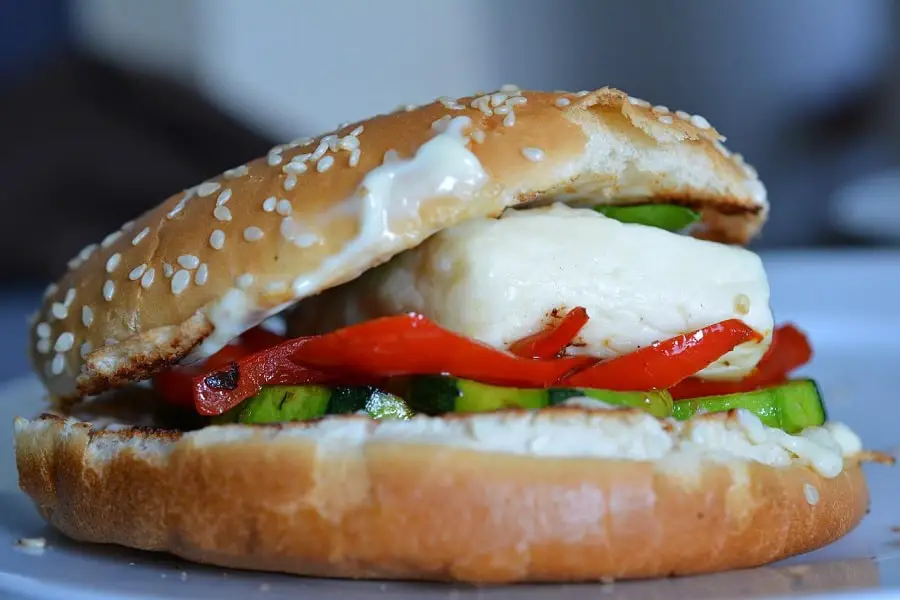
My interest and passion has always revolved around food, cooking and, yes, cheese.
I love cheese a lot. Call me a turophile if you want, because honestly, I probably deserve it.
Halloumi is one of those cheeses that feels like it was made for people who enjoy a little drama on their plate. It squeaks, it’s salty, it grills beautifully and, unlike many cheeses, it can hold its shape instead of melting into a puddle.
But can you eat halloumi raw, straight from the package, without grilling, frying or pan-searing it first?
Short answer: yes, you can eat halloumi raw, as long as it has been properly made, stored and handled. The slightly longer answer is that cooking improves the texture and flavor, but it is not always required for safety, especially when the cheese is made from pasteurized milk.
Read on to learn what halloumi is, when raw halloumi is safe, who should be more careful and the best ways to enjoy it without turning on the stove.
What Is Halloumi?
Halloumi is a semi-hard, brined cheese traditionally made from sheep’s milk, goat’s milk or a mixture of the two. Many modern versions also include cow’s milk, mainly because it is easier and less expensive to source.
It originated in Cyprus and has been eaten there for hundreds of years. In fact, the European Commission recognizes “Χαλλούμι / Halloumi / Hellim” as a protected designation of origin, meaning traditional halloumi has specific production rules and a strong connection to Cyprus.
Texture-wise, halloumi is firm, springy and famously squeaky when you chew it. Flavor-wise, it is salty, tangy and milky, with a richness that becomes even more noticeable once it is grilled or fried.
Halloumi is especially popular for frying and grilling because it has a high melting point, so it softens and browns without completely melting.
Nutritionally, halloumi provides protein and calcium, both of which are important nutrients. But it is also high in sodium and saturated fat, so this is one of those foods where I would say enjoy it, but maybe don’t build your whole personality around it.
Can You Eat Halloumi Raw?
Yes, you can eat halloumi raw. Most halloumi sold in grocery stores is ready to eat, especially when made from pasteurized milk and kept refrigerated.
That said, raw halloumi is quite different from cooked halloumi. When uncooked, it is firmer, saltier and more rubbery, while grilled or fried halloumi becomes warm, golden and a little crisp on the outside.
Personally, I think cooked halloumi wins on texture. But raw halloumi can absolutely work in the right dish, especially where you want that salty bite.
Here are a few easy ways to eat halloumi raw:
- With salad: Cut raw halloumi into small cubes and toss it into a vegetable salad with cucumbers, tomatoes, olives and fresh herbs. The saltiness works nicely with crisp, watery vegetables.
- With watermelon: This is probably the classic raw halloumi pairing. Sweet, juicy watermelon balances the salty cheese beautifully, and it feels very summer-in-Cyprus, even if you are eating it over the sink.
- As a pasta topping: Grate or crumble a small amount over hot pasta, especially one with tomatoes, garlic, olive oil or roasted vegetables. Just don’t overdo it, because halloumi has a strong salty flavor.
- In a sandwich or wrap: Add thin slices to a wrap with hummus, tomatoes, greens and roasted peppers. Raw halloumi adds chewiness and salt, kind of like feta’s firmer cousin.
- On a snack plate: Serve it with fruit, olives, whole grain crackers and nuts for a simple snack board. Very little effort, which is always a plus in my kitchen.
One thing to keep in mind: halloumi is usually packed in brine, which makes it salty. You can rinse it or soak it in cold water for a few minutes if you want to mellow out the flavor.
Is Raw Halloumi Safe?
For most healthy adults, raw halloumi is safe to eat when it is made from pasteurized milk, stored cold and eaten before its use-by date. The important part here is not really “raw” as in uncooked, but whether the cheese was produced and handled safely.
Foodborne illness can happen with dairy products, especially if they are made from unpasteurized milk or if they are stored improperly. As noted by the CDC’s raw milk guidance, raw milk and products made from raw milk can carry harmful germs, including Listeria, Salmonella and E. coli.
Halloumi is brined and fairly salty, which may make it less welcoming to some bacteria than a fresh, soft cheese. But that does not make it magically immune to contamination.
To lower your risk, buy halloumi from a reputable store, check the label and keep it refrigerated. Also, use clean utensils and avoid leaving it sitting out at room temperature for long periods of time.
This is where I have to be a little boring, but boring is sometimes what keeps us out of the bathroom at 2 a.m.
Who Should Be More Careful With Raw Halloumi?
Some people need to be more cautious with raw or unpasteurized dairy products. That includes pregnant women, young children, older adults and anyone with a weakened immune system.
People in these groups are at higher risk for serious illness from Listeria and other foodborne bacteria. The CDC recommends avoiding unpasteurized milk and cheeses made from unpasteurized milk, especially during pregnancy or when immune defenses are low.
Those with a dairy allergy should avoid halloumi altogether. A dairy allergy is different from lactose intolerance, and it can cause serious reactions.
For people with lactose intolerance, halloumi may or may not be tolerated depending on the person and the amount eaten. Sheep’s and goat’s milk cheeses are sometimes easier for some people, but they are not lactose-free, so it is still worth checking the label and starting with a small portion.
Can You Eat Halloumi Raw When Pregnant?
Pregnant women can usually eat halloumi when it is made from pasteurized milk, properly refrigerated and eaten before the use-by date. The key is to check the label and avoid halloumi made from unpasteurized milk unless it is cooked until steaming hot.
Pregnancy is one of those times when food safety matters more because Listeria infection, while rare, can be dangerous for both mother and baby. That is why pasteurized dairy is generally the safer choice.
Halloumi can also contribute calcium, which is an important nutrient during pregnancy. Pregnant women are advised by the World Health Organization to support adequate calcium intake, particularly in populations where calcium intake is low, because it may help reduce the risk of pre-eclampsia.
Calcium supports the baby’s bone development and helps maintain the mother’s bone and muscle health as well. Of course, halloumi is also salty, so it should be one part of the diet, not the main calcium plan.
There are plenty of other calcium-rich foods that may help benefit pregnant women, including yogurt, milk, fortified plant milks, tofu set with calcium and leafy greens. Variety, once again, tends to win.
What Does Raw Halloumi Taste Like?
Raw halloumi tastes salty, milky and slightly tangy. It is firm and chewy, with that squeaky texture that some people love and some people very much do not.
Cooked halloumi is usually more popular because heat improves the texture and brings out a toasted, savory flavor. Raw halloumi is better used in small amounts, especially in foods that need a salty contrast.
Think watermelon, tomatoes, cucumbers, herbs, lemon and olive oil. In other words, fresh foods that can handle a salty cheese with confidence.
How to Store Halloumi Safely
Unopened halloumi should be stored in the refrigerator and used by the date on the package. I would follow the label over any internet rule, including mine, because different brands use different packaging and brines.
Once opened, keep halloumi in an airtight container in the refrigerator. If it came in brine, you can store the leftover cheese covered in its brine, or in a simple saltwater brine, as long as everything stays clean and cold.
Many brands recommend using opened halloumi within a few days, while some brined versions may last longer. Again, the package directions are your best friend here, even if they are written in tiny letters that require a flashlight and emotional strength.
As stated by FoodSafety.gov’s cold food storage guidance, refrigerated foods should be kept at 40°F or below. That temperature matters because cold storage slows the growth of bacteria.
You can also freeze halloumi, although the texture may change slightly once thawed. For best quality, wrap it well, freeze it in portions and thaw it in the refrigerator before using.
How to Tell If Halloumi Has Gone Bad
Do not eat halloumi if it smells sour, rancid or unpleasant in a way that is clearly not just “cheese being cheese.” Also toss it if you see mold that was not part of the product, sliminess, discoloration or a swollen package.
Halloumi is naturally salty and firm, but it should not be sticky, oddly soft or fizzy. When in doubt, I always say throw it out, because no cheese is worth a food poisoning gamble.
Bottom Line
Yes, you can eat halloumi raw, and for most healthy adults it is safe when made from pasteurized milk and stored properly. It may not be as delicious as grilled halloumi, but it can be a tasty addition to salads, sandwiches, pasta and fruit plates.
Pregnant women, young children, older adults and immunocompromised individuals should be more cautious and choose pasteurized halloumi. When unsure, cooking it until steaming hot adds an extra layer of safety.
Just remember that halloumi is high in sodium, so a little usually goes a long way. Use it for flavor, enjoy it, and maybe let the vegetables share the plate too.
It would help if you always remember to:
- Check the label and choose pasteurized halloumi when food safety is a concern.
- Store it in the refrigerator and follow the package directions after opening.
- Avoid it if you have a dairy allergy.
- Use smaller amounts if you are watching sodium intake.
- Try it raw with watermelon, salads, wraps or pasta toppings.
The more you explore halloumi, the more ways you will find to enjoy it. You may also like this: Can you eat raw leeks?
Leave Feedback: Was this article helpful?