
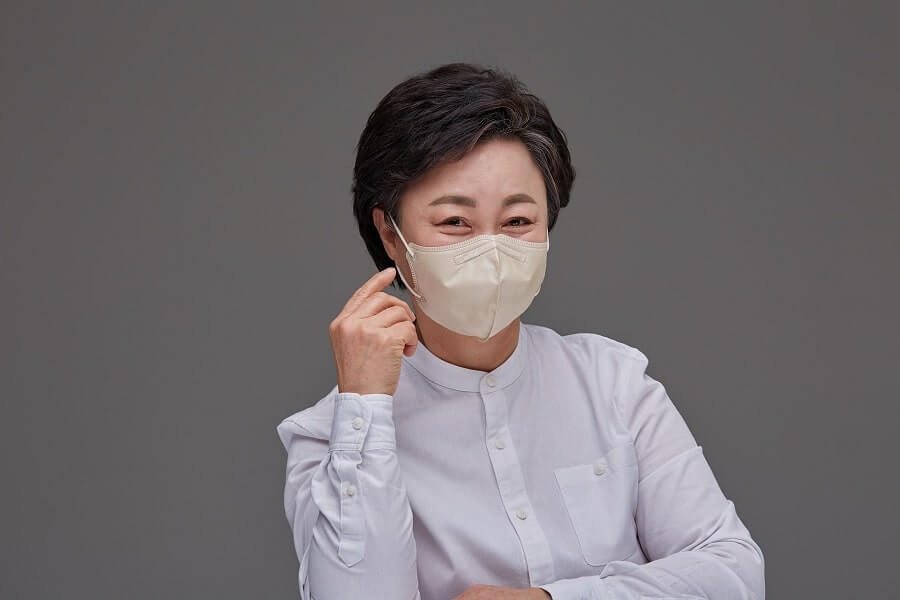
Face masks are not the everyday requirement they were during the height of the COVID-19 pandemic, thank goodness. But many of us still reach for one in crowded places, doctor’s offices, airports, during respiratory virus season or when the air quality is less than ideal.
And while masks can be useful, let’s be honest: they can also be annoying. Breathing feels different, your voice sounds muffled, your glasses fog up and somehow the mask you just had in your hand has vanished into the same universe as missing socks.
The good news is that most mask problems have simple fixes. Here are five common face mask issues, plus practical ways to make wearing one a little less irritating.
1. Uncomfortable breathing sensation
Breathing through a face mask can feel strange at first, and some people describe it as stuffy or claustrophobic. Short answer: uncomfortable does not automatically mean unsafe.
Reliable health organizations, including the European Lung Foundation and the British Lung Foundation, have offered reassurance that face masks do not typically prevent oxygen from getting in or carbon dioxide from getting out, even for many people living with lung conditions.
As noted by the CDC’s guidance on masks and respirators, a good mask should fit well and be comfortable enough that you can wear it correctly. That last part matters, because the mask sitting under your nose is not exactly doing its best work.
The stuffy feeling usually comes from warm, moist air collecting inside the mask, which is very different from the cool, free-flowing air we are used to. It can feel odd, but that does not mean your body is being deprived of air.
To reduce the discomfort, take mask breaks when you can safely do so, especially outdoors or in a private space away from others.
Anxiety can also make the sensation worse. When you start worrying about your breathing, you may tense the muscles in your throat, chest and shoulders, which only adds to that “I can’t get enough air” feeling.
Try slowing your breathing, relaxing your shoulders and breathing through your nose when possible. Many people find that after a few minutes, their body adjusts and the mask becomes less noticeable.
A quick note: anyone with a medical condition that makes mask-wearing difficult should check with a health care professional. This is especially important for people with significant breathing problems, panic disorder, or any symptoms like dizziness, chest pain or severe shortness of breath.
2. Voice muffled
Masks can make communication harder, and not just because sound has to travel through fabric. They also hide lip movement and facial expression, which many of us rely on more than we realize.
Some masks muffle sound more than others. Thick fabric, poor fit or multiple loose layers may make your voice harder to hear, while lighter, well-fitting masks may make conversation easier.
This does not mean you need to shout your way through every interaction. Speaking a little more slowly, facing the person directly and slightly raising your volume is usually enough.
Think clear and calm, not louder and louder until everyone in the grocery store knows your business.
Body language can help, too. Use your eyes, eyebrows, nods and hand gestures to add the expression your mask is hiding.
For people who are hard of hearing or rely on lip reading, communication can be especially challenging. In those cases, a clear mask or written communication may help, as long as the mask still fits properly and offers the level of protection needed.
3. Smile hidden
One thing I never loved about masks is that they cover the easiest way to show warmth: a smile. You can be giving your friend the most enthusiastic “I’m so happy to see you” grin, and they may only see fabric.
Fortunately, smiles do not live only on the lips. They show up in the eyes, the cheeks, the tone of your voice and the way you lean into a conversation.
Friends and family can usually hear the smile in your voice. And yes, this is your official permission to be a little more expressive than usual with your eyes and eyebrows.
A warm voice, eye contact and a simple “I’m smiling under here” can go a long way.
For situations where facial expression is especially important, such as working with children, older adults or people with hearing difficulties, you may want to consider a clear mask or other appropriate option. Just make sure it still fits well, because a large gap around the edges defeats the point.
4. Glasses steamed up
Ah, the classic mask-and-glasses problem. You put on your mask, breathe once, and suddenly you are viewing the world through a bathroom mirror after a hot shower.
Glasses fog because warm air from your breath escapes through the top of the mask and hits the cooler lenses. The fix is to stop as much air as possible from escaping upward.
Start by choosing a mask with a bendable nose wire. Press it firmly over the bridge of your nose and across the tops of your cheeks so the mask sits snugly against your face.
For many people, the magic combination is a snug mask, a molded nose wire and glasses resting slightly over the top edge of the mask.
You can also try tightening the ear loops or tying the mask differently to reduce gaps. A mask fitter or brace may help improve the seal, especially with surgical-style masks.
Anti-fog sprays or wipes can also be useful. These are available in many pharmacies and online, and some people swear by them.
Just be careful with home “hacks” that involve harsh soaps or chemicals on coated lenses. When in doubt, check what the glasses manufacturer recommends, because replacing scratched lenses is not exactly a budget-friendly mask tip.
5. Mask easily lost or forgotten
How many times have you walked into a building, reached for your mask and realized it is sitting on the kitchen counter? Or in the car. Or in yesterday’s coat pocket. Or, let’s be real, you have no idea where it is.
Masks are small, light and very easy to lose. They also have a special talent for slipping to the bottom of a bag right when you need them.
If keeping a mask with you matters, give it a designated home and stop expecting yourself to magically remember it every time.
Keep a few clean masks in practical places: your car, work bag, purse, backpack, desk drawer or entryway table. A small resealable bag can help keep a clean mask clean, which is kind of the whole point.
It is also smart to separate used masks from clean ones. Cloth masks should be washed regularly, and disposable masks should be tossed when they are dirty, wet, damaged or no longer fit well.
As the World Health Organization’s mask guidance points out, masks work best when they are used properly, which includes clean hands, good fit and appropriate handling. Translation: the mask crumpled at the bottom of your gym bag next to a granola bar wrapper may not be the winner.
Choosing the Right Mask Still Matters
Comfort is important, but it should not come at the expense of protection. A loose, thin or poorly fitting mask may feel easier, but it may also provide less benefit.
For everyday respiratory virus protection, a well-fitting mask with multiple layers can be helpful. For higher-risk situations, many experts recommend a well-fitting respirator, such as an N95, KN95 or KF94.
The National Institute for Occupational Safety and Health explains that approved respirators are designed to filter airborne particles when they form a proper seal. That seal is the important part, which is why fit matters so much.
For wildfire smoke, dust or certain workplace exposures, a basic cloth or surgical mask may not be enough. In those situations, look for public health or occupational guidance specific to the exposure.
Bottom line: face masks can be inconvenient, but most of the common annoyances are fixable. Find one that fits well, keep spares where you actually need them and give yourself a little grace if wearing one still feels mildly irritating.
Because sometimes a mask is useful, and sometimes it is annoying. Both things can be true.
Leave Feedback: Was this article helpful?