
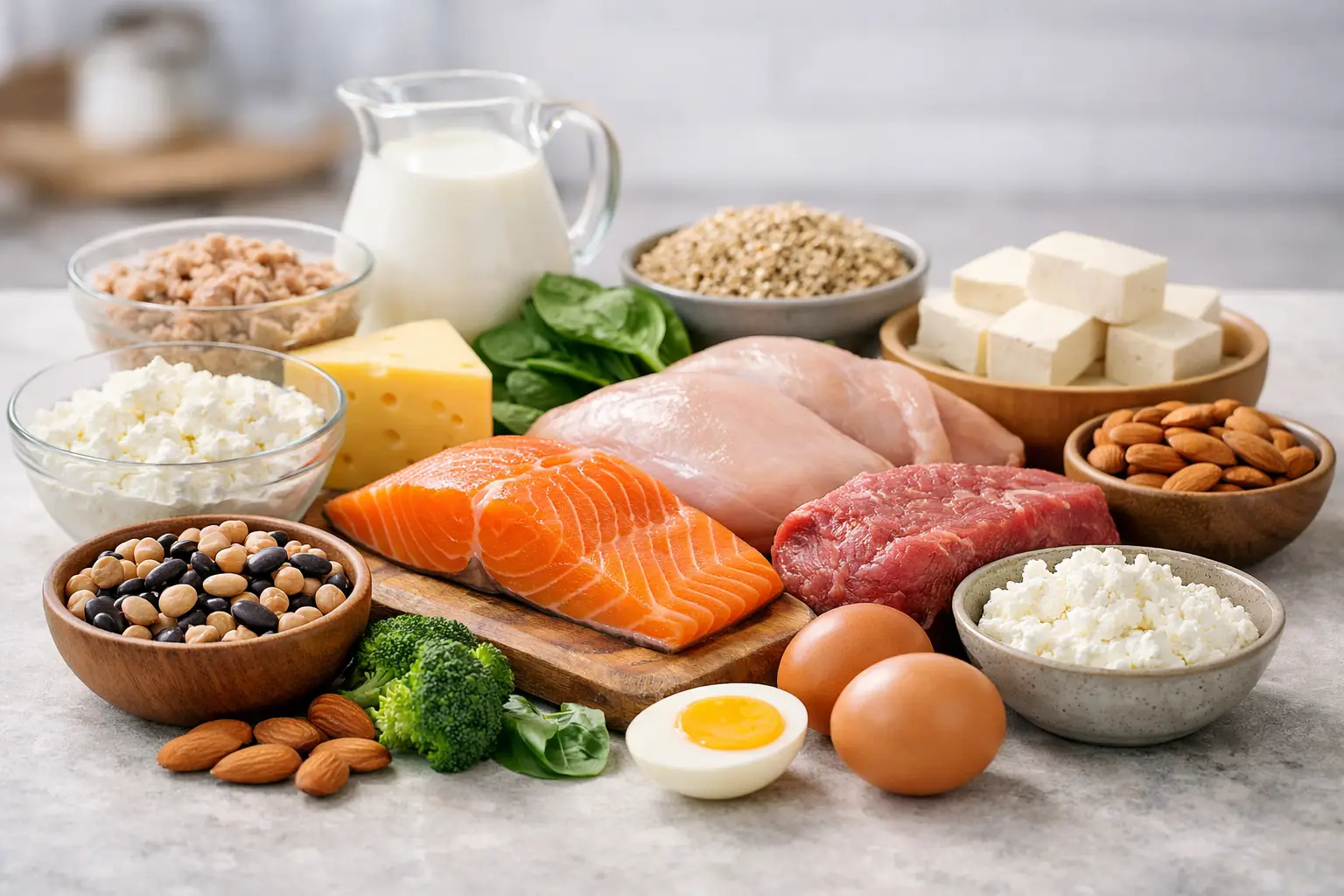
Trying to eat more protein can get confusing fast. One article says load up on chicken breast, another pushes protein bars, and somewhere in the middle you are left wondering which foods actually give you the most nutritional value. A practical high protein foods list can make that easier, especially if your goal is better fullness, muscle support, weight management, or simply building more balanced meals.
Protein matters because it helps build and repair tissues, supports immune function, and plays a role in keeping you satisfied after meals. But more protein is not always better in every situation. How much you need depends on your age, activity level, health status, and overall diet. For most adults, the real win is not chasing extremes. It is choosing reliable protein foods regularly and pairing them with fiber-rich carbs, healthy fats, and plenty of produce.
High protein foods list: what counts as high protein?
In everyday nutrition terms, a food is usually considered high in protein if it provides a meaningful amount per serving compared with its calories. Lean meats, fish, eggs, dairy foods, soy products, beans, lentils, and some packaged snacks can all qualify. What matters most is context.
For example, almonds contain protein, but they are also calorie-dense because they are high in healthy fats. Greek yogurt is also high in protein, but different brands can vary a lot in added sugar. A food can be protein-rich without being the best fit for every goal.
A useful way to think about protein foods is to group them by how they work in real life: everyday meal staples, convenient options, and plant-based choices.
Animal-based protein foods
Chicken breast is often the first food people think of, and for good reason. It is lean, versatile, and typically delivers a large amount of protein per serving. Turkey breast is similar and works well for sandwiches, salads, bowls, or simple weeknight dinners.
Fish is another strong option. Tuna is one of the highest-protein choices and is especially convenient canned or in pouches. Salmon offers slightly less protein per ounce than very lean fish, but it brings heart-healthy fats that many Americans do not get enough of. Shrimp is also high in protein and cooks quickly, which makes it useful for busy schedules.
Lean cuts of beef can fit well too. They provide protein, iron, zinc, and vitamin B12. The trade-off is that fattier cuts can raise calories and saturated fat quickly, so portion size and cut selection matter. Pork tenderloin is another underrated choice that is relatively lean and protein-rich.
Eggs deserve a spot on any high protein foods list because they are affordable, widely available, and easy to prepare. While one egg does not contain as much protein as a serving of meat or fish, eggs still make a solid protein contribution, especially when paired with foods like Greek yogurt, cottage cheese, or whole grain toast.
Dairy foods that deliver a lot of protein
Greek yogurt is one of the easiest ways to increase protein without much effort. Plain varieties are often the best option because flavored versions can contain a surprising amount of added sugar. You can add fruit, cinnamon, or nuts yourself for more control over taste and nutrition.
Cottage cheese is another standout. It tends to be high in protein, relatively low in calories, and useful in both sweet and savory meals. Some people love it plain, while others prefer it with fruit, tomatoes, or everything bagel seasoning.
Milk also contributes protein, and ultra-filtered milk products usually provide even more. Cheese contains protein too, but it is usually better viewed as a moderate protein food rather than a high-protein staple because portions are small and calories can add up fast.
If you tolerate dairy well, these foods can be an easy and budget-friendly way to spread protein across the day.
Plant-based foods on a high protein foods list
Beans and lentils are reliable plant proteins that also provide fiber, which is a major advantage. Black beans, kidney beans, chickpeas, and lentils all help support fullness and digestive health. They do not always match animal foods gram for gram, but they bring a lot more than protein alone.
Tofu is one of the most practical plant-based proteins available. It absorbs flavor well, works in stir-fries, grain bowls, soups, and scrambles, and comes in different textures. Tempeh is another excellent option and usually provides even more protein per serving, with a firmer texture and nuttier taste.
Edamame is a strong choice for snacks or side dishes. It is rich in protein and fiber, and it is easy to keep in the freezer for quick meals. Soy foods in general are among the highest-quality plant proteins because they contain all essential amino acids.
Nuts, seeds, and nut butters do provide protein, but they are best thought of as mixed nutrition foods rather than pure protein foods. Peanut butter, chia seeds, pumpkin seeds, and almonds can help round out your intake, but they usually should not be your main protein source if you are trying to hit a higher daily target.
Best high-protein foods for weight loss goals
If weight loss is your goal, protein can help because it tends to be filling and may help preserve muscle during a calorie deficit. But the best protein foods for weight management are usually the ones that offer a strong protein-to-calorie ratio.
That often means foods like chicken breast, turkey, tuna, shrimp, egg whites, nonfat Greek yogurt, low-fat cottage cheese, tofu, and lentils. These choices can help you stay satisfied without using up too many calories.
That said, low calorie is not the only factor. Salmon, whole eggs, and nuts are higher in calories than some leaner choices, but they also provide valuable nutrients and can support fullness. For many people, a satisfying meal that includes some healthy fat is easier to stick with than one that is very lean but less enjoyable.
Convenient high-protein foods for busy days
Convenience matters more than people admit. The healthiest plan is the one you can repeat on a rushed Tuesday.
Simple options include rotisserie chicken, canned tuna, single-serve Greek yogurt, cottage cheese cups, hard-boiled eggs, edamame, roasted chickpeas, and protein-rich frozen meals with reasonable sodium and ingredient quality. Protein powders can also be useful, especially when appetite is low or time is tight, but they should supplement meals rather than replace whole foods most of the time.
Protein bars are mixed. Some are basically candy bars with extra protein, while others are genuinely helpful. Look at the full picture: protein amount, added sugar, fiber, and ingredient quality. A bar can be fine in a pinch, but it usually should not be your default source.
How to use a high protein foods list in real life
Most people do not need to build every meal around a massive serving of protein. A more realistic strategy is to include a dependable source at each meal and snack. That might look like eggs at breakfast, Greek yogurt in the afternoon, chicken or tofu at lunch, and fish or beans at dinner.
Spreading protein intake throughout the day may be more helpful than saving most of it for one meal. This can support fullness and give your body a more consistent supply of amino acids.
It also helps to think beyond grams. Ask whether a food is minimally processed, whether it fits your budget, and whether you actually enjoy eating it. Skinless chicken breast may look perfect on paper, but if you hate it and never cook it, it is not the best option for you.
Common mistakes when choosing protein foods
One mistake is assuming all protein foods are equally healthy. Processed meats like bacon, sausage, and deli meats can contain protein, but they may also be high in sodium and saturated fat. They can still fit occasionally, but they should not crowd out less processed options.
Another mistake is overlooking fiber. If you only focus on protein and ignore foods like beans, lentils, fruits, vegetables, and whole grains, your meals may be less satisfying and less balanced overall.
A third is relying too heavily on supplements. Shakes and powders can help, but whole foods offer vitamins, minerals, and other compounds that powders do not fully replace. At The Healthy Apron, the most reliable nutrition advice is usually the least flashy: build meals from foods you recognize, enjoy, and can keep eating consistently.
The best high protein foods list is not the longest one. It is the one that helps you choose a few dependable foods that match your goals, preferences, and daily routine. Start with simple staples, keep portions realistic, and let consistency do the heavy lifting.
Leave Feedback: Was this article helpful?