
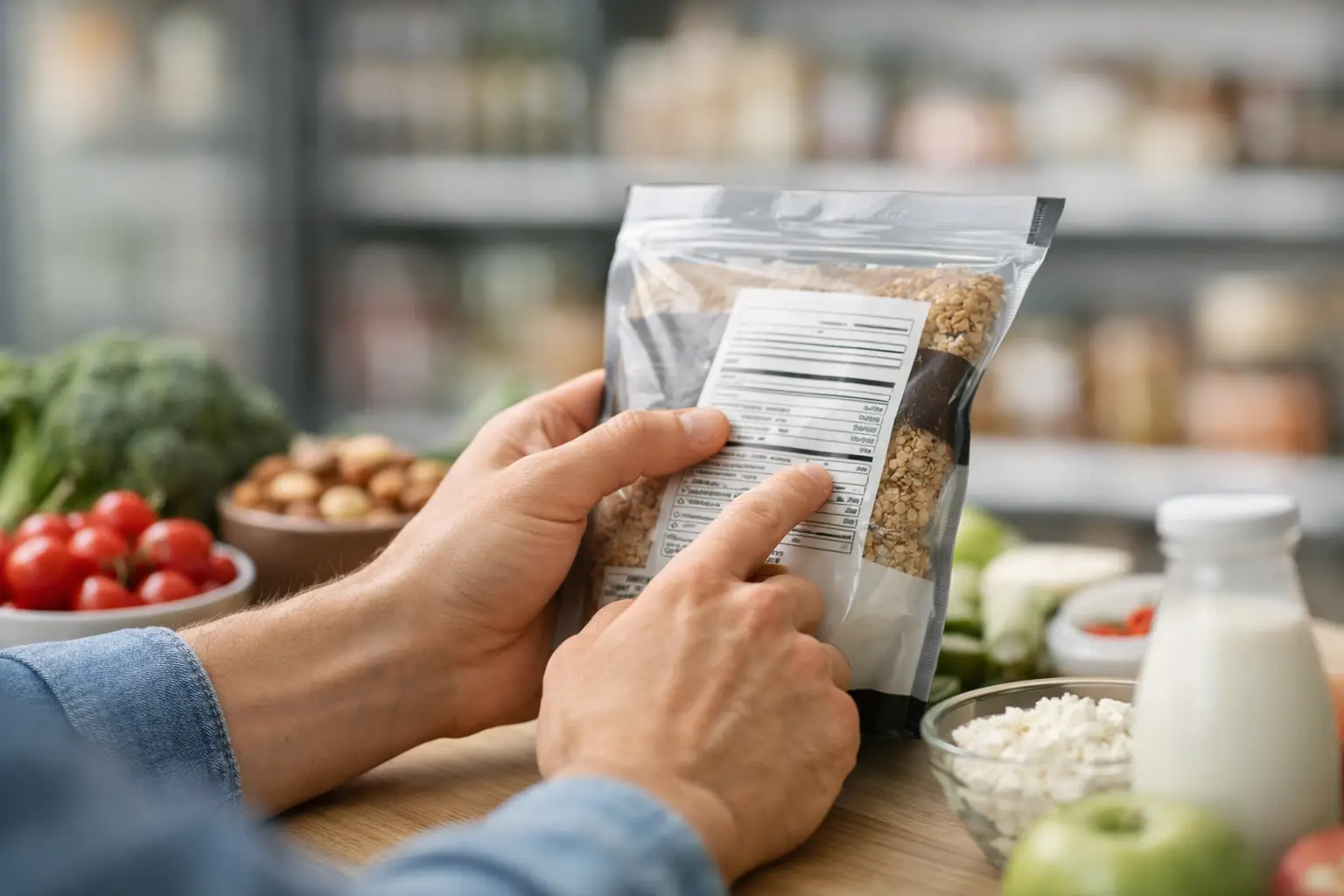
Standing in the cereal aisle, two boxes can look almost identical until you flip them over. That small Nutrition Facts panel often tells a very different story. If you have ever wondered how to read nutrition labels without getting lost in numbers, the good news is that the process is simpler than it seems once you know what to look for first.
Nutrition labels are designed to help you compare foods quickly, but they work best when you read them in the right order. Many shoppers start with calories, then stop there. Calories matter, but they do not tell you whether a food is filling, heavily processed, high in added sugar, or packed with nutrients. A better approach is to scan the label from top to bottom and use each section as part of the full picture.
How to read nutrition labels in the right order
Start with the serving size. This is the detail that changes how every other number on the label should be understood. If a bag of chips lists 150 calories per serving but contains three servings, eating the whole bag means you are actually getting 450 calories, along with triple the fat, sodium, and carbs.
Serving size is not a recommendation for how much you should eat. It is simply the amount the manufacturer uses to calculate the numbers on the panel. That distinction matters because packages often contain more than one serving, even when they look like a single portion.
Next, look at calories, but use them as context rather than your only guide. A food with moderate calories may still be a poor everyday choice if it is low in fiber and protein and high in added sugar. On the other hand, a food with more calories may be more satisfying and nutritious if it contains healthy fats, protein, and whole-food ingredients.
After calories, check the macronutrients: fat, carbohydrates, and protein. These three categories help you understand how a food may affect fullness, energy, and blood sugar. Protein and fiber usually make foods more satisfying. Refined carbs with little fiber may be easier to overeat. Fat is not automatically bad, but the type of fat matters.
Then move to the nutrients that many Americans tend to get too much of, especially sodium, saturated fat, and added sugars. This part of the label can reveal why some packaged foods that seem healthy at first glance are better treated as occasional choices.
What the percent Daily Value actually means
The percent Daily Value, shown as %DV, helps you judge whether a nutrient is low or high in one serving of food. As a general rule, 5% DV or less is considered low, while 20% DV or more is considered high.
This is especially useful when you are comparing products. If one soup has 8% DV for sodium and another has 32%, the lower-sodium option is usually the smarter everyday pick. The same logic works for nutrients you may want more of, such as fiber, calcium, iron, and potassium.
There is a catch, though. Daily Values are based on standard reference amounts and may not perfectly match your personal health needs. Someone with high blood pressure may need to be more careful with sodium. An athlete may need more carbohydrates. A person trying to lose weight may care more about calories and protein balance. So %DV is a helpful tool, not a personalized rulebook.
The numbers that deserve the closest attention
If your goal is better everyday nutrition, a few parts of the label tend to matter more than others.
Added sugars are one of the most useful numbers to check. This line tells you how much sugar has been added during processing, separate from naturally occurring sugars found in foods like fruit or plain milk. A flavored yogurt may sound wholesome, but if it contains a large amount of added sugar, it can be closer to dessert than breakfast.
Fiber is another big one. Foods higher in fiber are often more filling and supportive of digestive health, blood sugar control, and heart health. When comparing breads, cereals, or snack bars, fiber can help you separate more satisfying options from highly refined ones.
Sodium matters because it adds up fast, especially in canned soups, frozen meals, sauces, deli meats, and snack foods. Even products that do not taste especially salty can contribute a large share of your daily intake.
Saturated fat is worth monitoring, particularly if you are thinking about heart health. Not every product with saturated fat needs to be avoided, but it is smart to compare options and notice patterns in your overall diet.
Protein can be helpful, especially if you want meals and snacks that keep you full longer. Still, high protein alone does not make a food healthy. A bar with lots of protein but heavy amounts of added sugar or sodium may not be the best choice for regular use.
How to read the ingredient list with the label
The Nutrition Facts panel gives you the numbers. The ingredient list gives you the source of those numbers. You need both.
Ingredients are listed by weight, from most to least. That means the first few ingredients usually tell you the most about what the product really is. If a cracker is marketed as whole grain but enriched flour appears before whole wheat, that claim deserves a second look.
The ingredient list is also where added sugars can hide under different names, such as cane sugar, corn syrup, honey, brown rice syrup, dextrose, or fruit juice concentrate. The updated label now shows added sugars clearly, which helps, but the ingredient list still gives you a better feel for how processed the product is.
Long ingredient lists are not always a problem. Some healthy foods have several ingredients, especially items like trail mix or fortified cereal. The better question is whether the ingredients make sense for the food and whether the product is still aligned with your goals.
Claims on the front of the package can be misleading
Words like natural, multigrain, light, and made with real fruit can sound reassuring, but they are not the same as a full nutrition review. Front-of-package claims are marketing tools first.
A granola bar labeled protein-packed may still be high in added sugar. A drink that says made with real fruit may contain very little actual fruit and a lot of sweetener. Multigrain simply means more than one grain was used, not that the grains are whole.
This does not mean every claim is meaningless. It means the back label should decide whether the product earns a place in your cart.
How to compare foods without overthinking it
When choosing between similar products, compare them using the same serving size whenever possible. If one bread lists one slice and another lists two slices, the numbers are harder to judge fairly unless you adjust them.
Then look at the few numbers most relevant to your needs. For many people, that means calories, fiber, protein, sodium, and added sugars. If you are comparing breakfast cereals, for example, a useful shortcut is to favor one with more fiber, less added sugar, and a reasonable calorie count per serving.
Context matters here. A lower-calorie food is not automatically better if it leaves you hungry an hour later. A higher-fiber cereal with a little more calories may support your goals better than a lower-calorie option that is mostly refined starch.
Special situations where label reading matters even more
Some people need to pay closer attention to specific lines on the label. If you have high blood pressure, sodium becomes a bigger priority. If you have diabetes or insulin resistance, total carbohydrates, fiber, and added sugars may deserve more focus. If you are trying to build muscle or stay full between meals, protein may matter more.
Food allergies are another reason to read carefully every time, even if you have bought the product before. Ingredients can change, and allergen statements are essential for safety.
For weight loss, label reading can help, but it should not turn into obsession. The most useful goal is not to find the perfect food. It is to notice patterns, compare products wisely, and build meals that are satisfying and realistic.
Common mistakes people make when reading labels
One common mistake is assuming a product is healthy because it is organic, gluten-free, low-fat, or high-protein. Those labels describe one feature, not the full nutritional quality.
Another is ignoring portion size. This is probably the fastest way to underestimate calories, sugar, and sodium.
A third is focusing only on what to avoid and forgetting what to look for more of. Foods that offer fiber, protein, unsaturated fats, vitamins, and minerals can make healthy eating easier because they tend to satisfy you better.
If you want a simple rule from The Healthy Apron, use labels to compare, not to panic. Most foods do not need to be judged as completely good or bad. The better question is whether a food fits your needs often, sometimes, or rarely.
A simple way to use nutrition labels in real life
At the store, start with serving size, then check calories, added sugars, sodium, fiber, and protein. Glance at saturated fat and scan the ingredient list. That takes less than 20 seconds once you get used to it.
You do not need to analyze every single nutrient on every package. The skill of reading labels is really the skill of spotting the details that matter most for your health goals and daily habits. The more often you do it, the faster it becomes, and the more confident your food choices start to feel.
Leave Feedback: Was this article helpful?