
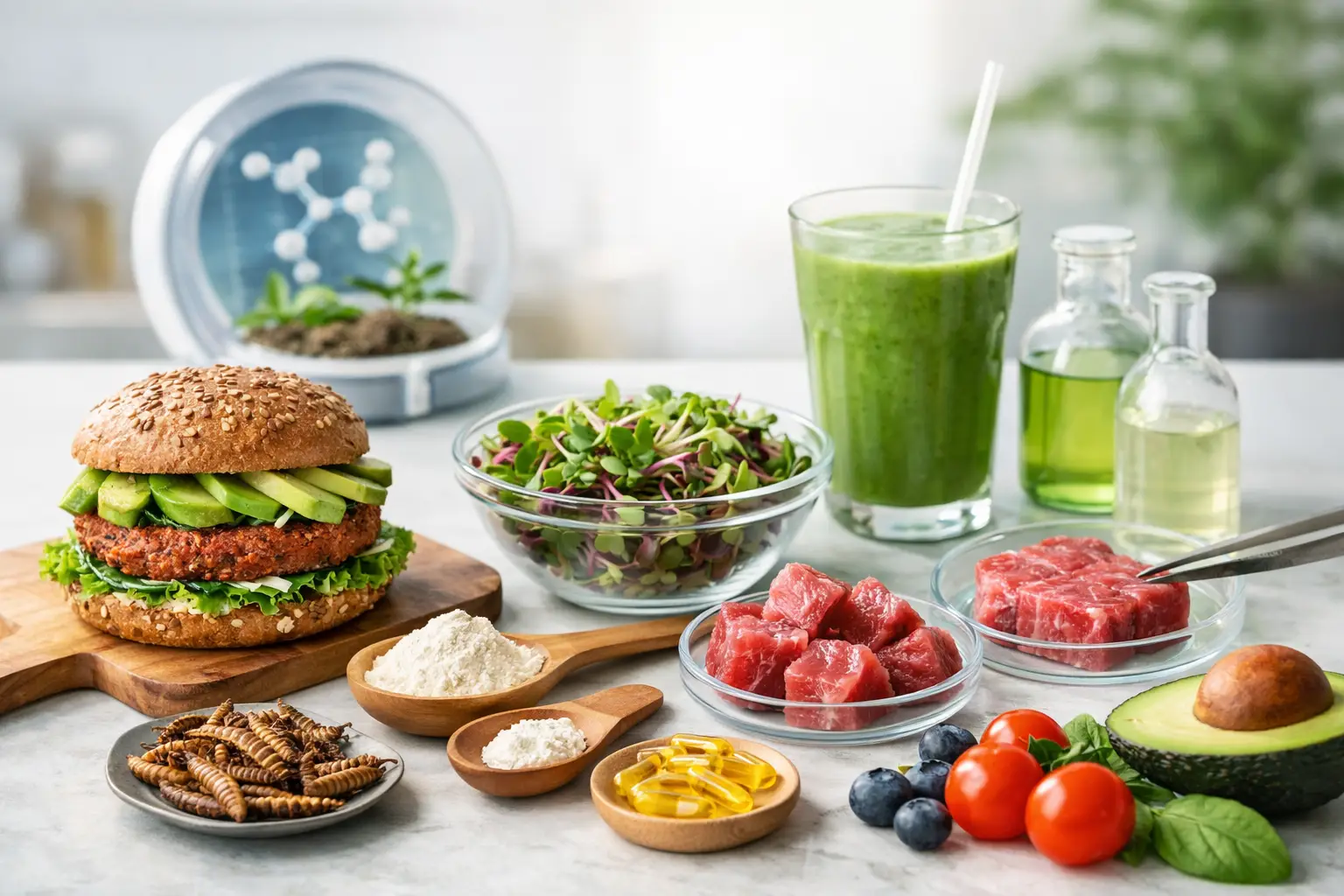
If your social feed already feels crowded with protein claims, gut health powders, and AI-made meal plans, that noise is a preview of nutrition trends 2026. The bigger question is not which trend will be loudest. It is which ones will actually help people eat better, feel better, and make healthier choices without getting pulled into hype.
For most readers, the most useful way to look at upcoming food and wellness shifts is through a simple filter: what has real evidence behind it, what is mostly marketing, and what may be helpful only for certain people. Nutrition rarely moves in a straight line. Some ideas stick because they solve a real problem. Others spread because they sound new.
What will shape nutrition trends 2026?
Several forces are pushing nutrition in the same direction at once. Consumers want convenience, but they also want more transparency. Food companies are responding to weight-management demand, interest in blood sugar control, and the ongoing popularity of high-protein eating. At the same time, research on the gut microbiome, ultra-processed foods, and metabolic health continues to influence how products are made and how diets are marketed.
That does not mean every trend deserves equal trust. A food can be high in protein and still be heavily processed. A personalized nutrition app can look smart and still offer advice that is too generic to matter. In 2026, the most meaningful shifts will likely be less about miracle foods and more about how nutrition gets packaged, personalized, and simplified for everyday life.
1. Protein will stay popular, but quality will matter more
High-protein eating is not new, and it is unlikely to fade anytime soon. What may change in 2026 is the conversation around where protein comes from, how much people actually need, and whether a product is doing more than just adding a protein label to appeal to shoppers.
Many Americans still struggle to build balanced meals, especially at breakfast and lunch. That is one reason protein bars, shakes, yogurt products, and high-protein snacks continue to perform well. Protein can support fullness, muscle maintenance, and healthy aging, especially when paired with resistance exercise.
Still, more is not always better. A protein-packed cereal or cookie is not automatically a health food. Expect more attention on protein quality, total calories, added sugars, sodium, and whether the food also provides fiber, vitamins, and minerals. For many people, the best move will be choosing protein-rich foods that are still close to their original form, such as Greek yogurt, eggs, beans, tofu, fish, cottage cheese, and lean poultry.
2. Gut health will move beyond probiotics alone
Gut health has been a major wellness theme for years, but nutrition trends 2026 may push the discussion past probiotic supplements and into a broader focus on the whole digestive ecosystem. That includes fiber, fermented foods, prebiotics, polyphenol-rich plant foods, and eating patterns that support regular digestion.
This shift would be a helpful one. While probiotic products are popular, not every strain has the same effect, and benefits can be highly specific. What helps one person with antibiotic-related digestive issues may not do much for someone else looking for general wellness support.
A more evidence-based gut health approach usually starts with basics: eating more fruits, vegetables, legumes, whole grains, nuts, and seeds. These foods help feed beneficial gut bacteria and support overall health at the same time. Fermented foods such as yogurt, kefir, kimchi, and sauerkraut may also play a role, but they work best as part of a broader eating pattern rather than as a quick fix.
3. Personalized nutrition will get smarter, but not perfect
Personalized nutrition is one of the most talked-about areas in health tech. In 2026, more people will likely see meal plans, apps, and wearable-connected platforms that claim to tailor advice based on blood sugar responses, activity levels, goals, food preferences, and even lab data.
There is real promise here. Personalized advice can help people follow through when it reflects their schedule, culture, budget, and health priorities. A flexible plan that fits your life is usually more useful than a perfect plan you cannot maintain.
But this is also where caution matters. Some companies oversell what their data can do. Genetics, continuous glucose monitors, and AI-based food scoring may sound precise, yet the practical benefit for the average healthy adult can vary. Personalized nutrition works best when it helps with behavior change, not when it pretends to predict your entire health future from limited data.
4. Blood sugar-friendly eating will go mainstream
Interest in blood sugar management is no longer limited to people with diabetes or prediabetes. More consumers now connect blood sugar swings with energy crashes, hunger, mood, and long-term metabolic health. That will likely keep blood sugar-friendly foods and meal strategies in the spotlight.
This trend has some solid reasoning behind it, especially in a country where insulin resistance and type 2 diabetes remain common. Balanced meals that combine fiber-rich carbohydrates, protein, and healthy fats can improve satiety and help avoid sharp glucose spikes. That can support energy levels and make healthy eating feel more manageable.
Still, blood sugar messaging can become misleading fast. Not everyone needs to fear fruit, and not every carb is a problem. A practical approach usually looks less dramatic than social media suggests. Think beans instead of candy, oats instead of sugary pastries, and meals built around whole foods rather than carb elimination.
5. Ultra-processed food awareness will keep growing
One of the most significant nutrition conversations heading into 2026 is the role of ultra-processed foods in long-term health. Researchers continue to study links between diets high in these foods and outcomes such as weight gain, cardiovascular disease, and poorer diet quality overall.
That does not mean every packaged food needs to be avoided. Processing exists on a spectrum, and convenience matters in real life. Frozen vegetables, canned beans, whole grain bread, and plain yogurt can all support a healthy diet.
The more useful takeaway is this: if most of your diet comes from products designed to be hyper-palatable, shelf-stable, and easy to overeat, it may crowd out more nourishing foods. In 2026, expect stronger interest in simpler ingredient lists, minimally processed staples, and meals that feel realistic to prepare at home.
6. Functional foods will keep expanding
Functional foods are products marketed for a specific health benefit beyond basic nutrition. That may include foods with added fiber for digestive health, beverages with electrolytes for hydration, snacks with omega-3 fats, or products fortified with vitamins and minerals.
Some of this category is genuinely useful. Fortified foods can help fill nutrient gaps, and targeted products may help certain groups, such as older adults, athletes, or people with restricted diets. But the label can also make ordinary products seem medically impressive when the actual benefit is modest.
This is where reading beyond front-of-package claims matters. A drink that promises focus or immunity support may contain added sugar, too much caffeine, or a blend of ingredients with weak evidence. Functional foods can have a place, but they should add to a good diet, not replace it.
7. Plant-forward eating will become more practical
Plant-based eating is evolving. Earlier waves often centered on meat substitutes and strict labels. The next phase will likely be more flexible and more realistic for everyday households.
A plant-forward pattern does not require becoming vegan or vegetarian. For many people, it simply means eating more beans, lentils, vegetables, fruits, nuts, seeds, and whole grains while using animal foods in smaller or more intentional amounts. This style of eating is supported by a strong body of research for heart health, weight management, and overall diet quality.
It also avoids a common trap. Some plant-based products are highly processed and no more nutritious than the foods they replace. In 2026, the strongest version of this trend will probably be less about imitation burgers and more about easy, affordable staples people can actually cook and enjoy.
How to use nutrition trends 2026 without getting misled
The smartest way to approach trends is to stay curious without assuming newer means better. Most lasting nutrition advice still comes back to familiar basics: eat more whole and minimally processed foods, get enough protein and fiber, include a variety of plant foods, and choose habits you can keep.
If a trend helps you do that, it may be worth trying. If it adds stress, confusion, or a bigger grocery bill without clear benefit, it may not be the right fit. The Healthy Apron approach is simple here: trustworthy nutrition advice should make daily choices clearer, not harder.
The next year will bring plenty of new claims, clever packaging, and strong opinions. Your best defense is not chasing every trend. It is learning how to recognize the ones that support your health in a way that feels realistic, balanced, and sustainable.
Leave Feedback: Was this article helpful?