
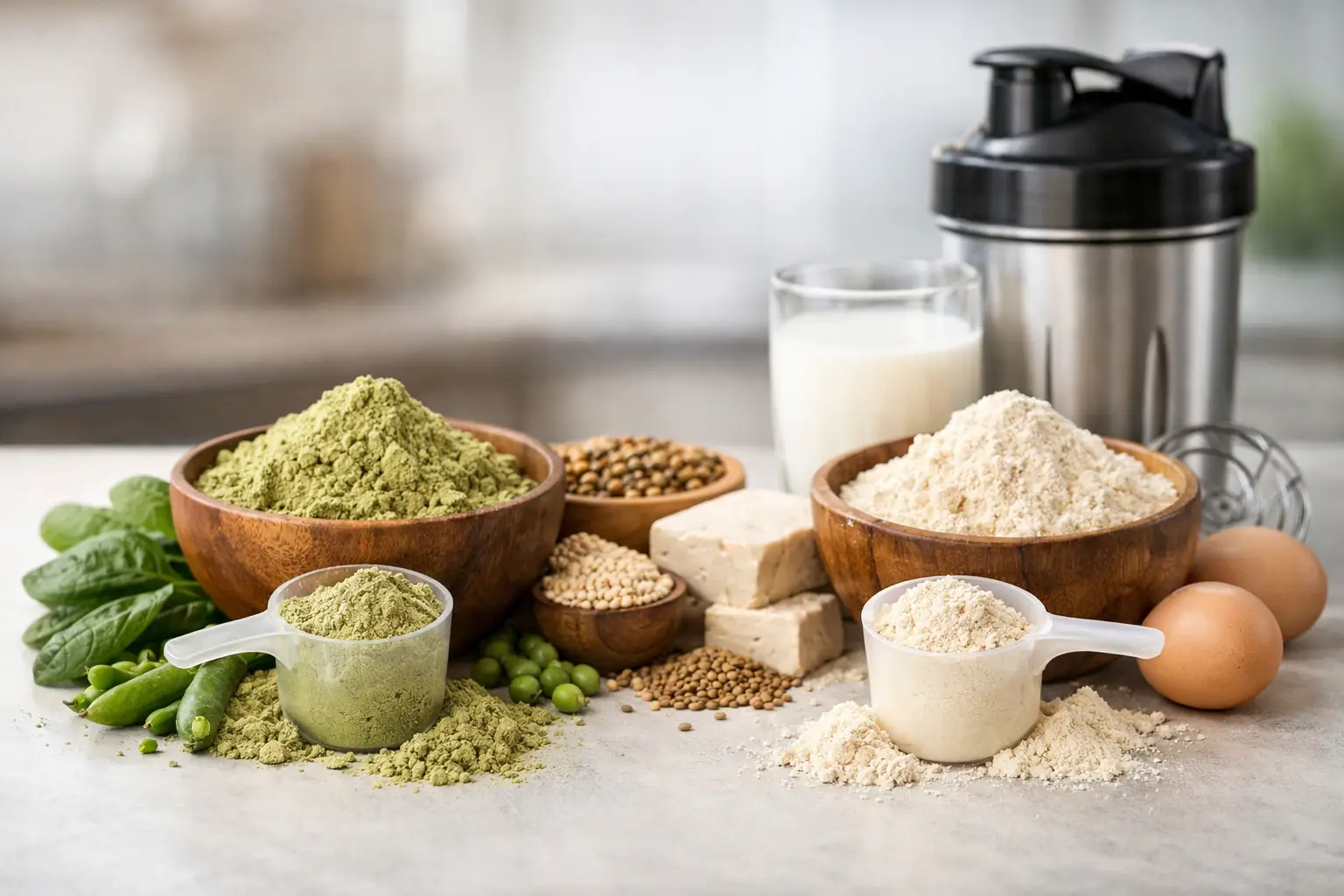
Standing in the supplement aisle, the choice often looks simple: grab whey if you want muscle, choose plant if you want a cleaner label. But plant protein vs whey protein is not that tidy. The better option depends on what matters most to you – muscle growth, digestion, allergies, budget, convenience, or overall nutrition.
Both can help you increase protein intake, support exercise recovery, and make meals more filling. The difference is that they get there in different ways. Whey is a dairy-based complete protein with a strong research track record for muscle protein synthesis. Plant protein can be just as useful in real life, especially when the blend is well formulated and your total daily protein intake is solid.
Plant protein vs whey protein at a glance
Whey protein comes from milk during the cheese-making process. It is naturally rich in essential amino acids, especially leucine, which plays a major role in triggering muscle repair and growth. That is one reason whey has long been popular among athletes, gym-goers, and anyone trying to build or maintain lean mass.
Plant protein usually comes from sources like pea, rice, soy, hemp, or pumpkin seed. Some plant powders use one source, while others combine several to create a more balanced amino acid profile. Soy is a complete protein on its own, but many other plant proteins are lower in one or more essential amino acids unless blended.
This is where context matters. If you compare equal scoops, whey often has a slight edge for muscle building because of its amino acid profile and digestibility. If you compare actual diets over time, plant protein can still work very well, especially when intake is high enough and meals are balanced.
Muscle growth and exercise recovery
If your main goal is maximizing muscle protein synthesis after training, whey usually has the advantage. It is quickly digested and reliably delivers enough leucine to stimulate muscle repair. That makes it a practical post-workout choice, especially for people doing resistance training several times per week.
Plant protein is not automatically weaker, but the details matter more. A lower-quality plant powder may provide less leucine per serving, so you may need a slightly larger serving to match whey’s muscle-building effect. Blended plant proteins often perform better than single-source options because they can help fill amino acid gaps.
For most recreational exercisers, the gap is smaller than marketing makes it sound. If you consistently meet your total daily protein needs, train effectively, and recover well, plant protein can absolutely support muscle gain. The biggest difference tends to show up when protein intake is marginal or when someone wants the most efficient option per scoop.
Older adults should pay special attention here. As we age, muscles become less responsive to protein, so getting enough high-quality protein at each meal matters more. Whey can be especially helpful in that setting, though plant protein still has a place if servings are adjusted appropriately.
Digestibility and stomach comfort
This is often where the decision becomes personal. Whey works well for many people, but not everyone tolerates it comfortably. If you are sensitive to lactose, some whey concentrates may cause bloating, gas, or stomach upset. Whey isolate usually contains less lactose and may be easier to digest, but it is not always symptom-free for everyone.
Plant proteins can also cause digestive issues, just for different reasons. Pea protein may feel heavy for some people. Powders with gums, sugar alcohols, or large amounts of fiber can lead to bloating regardless of whether the protein comes from plants or dairy. In other words, your reaction may have as much to do with the full ingredient list as the protein source itself.
If digestion is a concern, a short ingredient list is often a good sign. It also helps to start with a half serving and see how your body responds. There is no prize for choosing the trendier powder if it leaves you uncomfortable.
Nutrition quality beyond protein
Whey protein is highly concentrated protein, but it is still a processed supplement. That is not necessarily a problem, but it is worth remembering. It can be very useful, yet it does not replace whole food sources like Greek yogurt, eggs, fish, beans, tofu, lentils, or chicken.
Plant protein powders sometimes contain extra fiber, phytonutrients, or minerals depending on the ingredients used. That can be a plus, especially for people trying to eat more plant-based foods. On the other hand, some plant powders have a chalkier texture, more additives, or lower protein content per scoop.
A common misconception is that plant automatically means healthier. Not always. Some plant powders are loaded with sweeteners and fillers, while some whey products are simple and high quality. Reading the label matters more than assuming one category is always better.
Weight loss and appetite
If you are trying to lose weight, both whey and plant protein can help by making meals or snacks more satisfying. Protein is generally more filling than refined carbs, and getting enough of it can help preserve muscle mass during a calorie deficit.
Whey may be slightly better studied for body composition and recovery, which can be helpful if you are combining fat loss with strength training. Plant protein, especially if it includes some fiber, may also support fullness and fit well into lower-calorie meal replacements or smoothies.
The better choice for weight loss is usually the one you will use consistently and tolerate well. A protein powder does not need to be perfect. It needs to make it easier for you to hit your protein target without adding a lot of excess sugar or calories.
Allergies, preferences, and lifestyle fit
This is where whey can lose quickly. If you follow a vegan diet, avoid dairy, or have a milk allergy, whey is off the table. Plant protein is the clear winner for dietary preference and accessibility across different eating patterns.
Ethics and sustainability also matter to many readers. Plant proteins generally have a lower environmental footprint than dairy-based proteins, though exact impacts vary by crop, production methods, and packaging. If reducing animal products is part of your health or lifestyle goals, plant protein may align better with those values.
Taste and texture still count. Whey often wins on creaminess and mixability. Plant powders have improved a lot, but some still taste earthy or gritty. If you only like one enough to use it regularly, that practical detail outweighs small nutritional differences.
How to choose the best protein powder for your needs
When people ask about plant protein vs whey protein, the most honest answer is that neither is universally better. The right choice depends on your body, your goals, and what you can stick with.
Choose whey if your top priorities are muscle gain, workout recovery, and getting a complete, leucine-rich protein in a smaller serving. It is also a strong option if you tolerate dairy well and want a powder that usually mixes smoothly.
Choose plant protein if you avoid dairy, follow a vegan diet, have digestive issues with whey, or want a product that better matches a plant-forward lifestyle. If muscle gain is a major goal, look for a blend such as pea and rice, and check the protein grams per serving rather than relying on branding alone.
No matter which one you choose, focus on the basics. Aim for enough total protein over the course of the day, not just right after workouts. Use powder to supplement your diet, not carry it. And pay attention to how you actually feel after drinking it – energy, fullness, digestion, and consistency matter.
A few label details worth checking
A smart buy is usually less about hype and more about the back of the container. Look at how many grams of protein you get per serving, whether the product has a long list of additives, and how much sugar it contains. Third-party testing can also be reassuring, especially if you use supplements regularly.
If you are comparing plant options, blends often make more sense than single-source powders. If you are comparing whey products, isolate may be worth considering if lactose is an issue. And if a powder has dozens of ingredients you do not recognize, simple skepticism is healthy.
Protein powder should make eating well easier, not more confusing. For some people, whey is the straightforward answer. For others, a well-made plant protein fits better and works just as well in daily life. The best choice is the one that supports your health goals, agrees with your stomach, and earns a permanent spot in your routine.
Leave Feedback: Was this article helpful?