

The beauty industry loves a new “must-have” ingredient, which is funny because some of the best ones have been around for centuries.
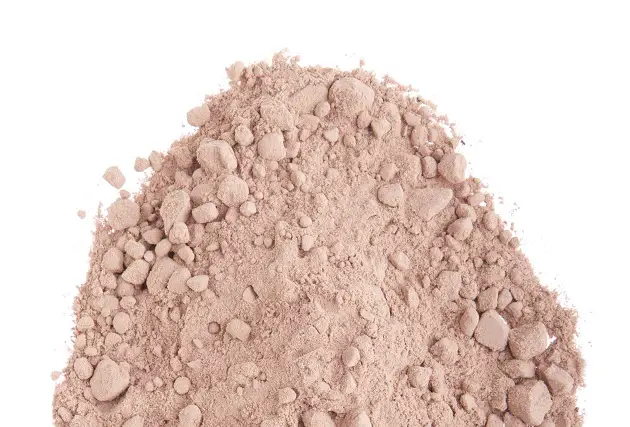
Rhassoul clay, also called ghassoul clay, is one of those old-school beauty remedies that is getting more attention again thanks to its cleansing, oil-absorbing and smoothing properties.
It is not magic in a jar. But for the right skin or hair type, it can be a very useful little powder to keep in the bathroom cabinet.
What Is Rhassoul (Ghassoul) Clay?
Rhassoul clay has been used for more than a thousand years as a beauty aid in Morocco, Turkey, and throughout North Africa and the Middle East.
Women in these regions have traditionally used this mineral-rich clay to cleanse and soften skin and hair. The Western beauty world, as usual, is a little late to the party.
This clay is usually mixed with water and then rubbed into the hair, face, or body.
In some Moroccan hammam traditions, it is used along with a special exfoliating glove called a kessa. Any gentle exfoliating glove can be used, but let’s not sandpaper our skin in the name of beauty.
Rhassoul, or ghassoul, is also called Moroccan red clay, red clay, and a few other regional names.
Its reddish-brown color comes from its mineral makeup. Rhassoul clay typically contains minerals such as magnesium, silica, potassium, sodium, calcium and iron, though the exact makeup can vary by where it is mined and how it is processed.
That mineral content is part of the reason people like using it on skin and hair. Just keep in mind that “natural” does not automatically mean “perfect for everyone.”
Benefits
There are several reasons people use rhassoul clay on the face, body and hair.
Fans of this beauty product say that it helps soften skin and hair, remove excess oil and leave skin feeling smoother. Like many clay masks, it can also help lift away dead skin cells and surface buildup from the skin.
One small traditional product analysis found that Moroccan rhassoul contains several minerals often used in skin and hair care, including silica and magnesium, as shown in this analysis of traditional Moroccan rhassoul. That does not mean it will erase wrinkles, but it does help explain why it has been used in beauty routines for so long.
Many people use rhassoul clay because of its effect on oil and sebum. It can make oily skin feel cleaner and may help reduce the look of clogged pores, blackheads and shine.
For hair, it may help remove excess oil and product buildup. Some people even use it as a shampoo substitute, although I would put a big asterisk next to that one because it depends heavily on hair type.
Rhassoul clay is often described as having strong adsorption properties, meaning substances can stick to its surface. In plain English, that is one reason clay can feel like it is grabbing oil and grime from your skin.
Rhassoul clay is relatively inexpensive and can last a long time when stored dry.
It only needs to be mixed with liquid when you are ready to use it. Until then, the dry powder can be stored in a sealed container away from moisture.
This is one of its biggest perks. You can make a face mask, hair mask, body treatment or gentle scrub from the same basic product.
Use
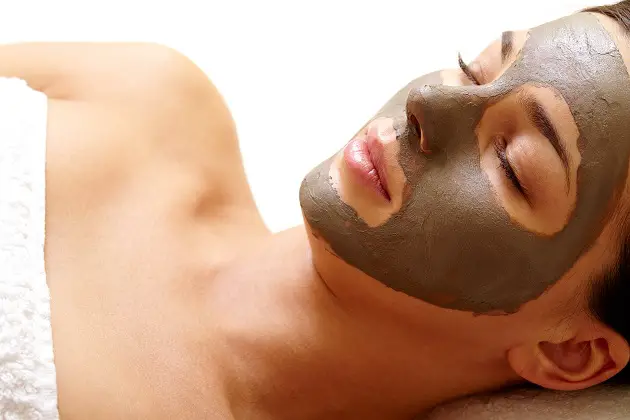
Rhassoul clay is one of the more versatile natural beauty remedies. It can be used on the face, body and hair, as long as you use it carefully and do not let it get too dry on delicate areas.
It has a silky-smooth texture when properly hydrated. That texture is one reason it tends to feel less gritty than some other clay products.
Rhassoul clay usually comes as a fine powder that must be mixed with liquid before use.
Water is the simplest option. Rosewater, aloe vera juice or a little honey can also be used depending on what your skin tolerates.
To use it as a face or body mask, mix the dry clay with enough water, honey or rosewater to create a smooth paste. Apply a thin layer to clean skin and leave it on for around 5 to 10 minutes, or until it begins to feel tacky but not painfully tight.
This is where people often go wrong. You do not need to let a clay mask crack into a desert floor on your face for it to “work.”
Rinse the mask off gently with warm water and pat skin dry. Follow with a light moisturizer, especially if your skin tends to feel tight after cleansing.
To make a facial scrub, mix rhassoul clay with finely ground oatmeal before hydrating it. Massage very gently for a minute or two, then rinse completely.
For hair, rhassoul clay can be used as a mask or occasional cleanser. Make a thin mixture using about 1/4 tablespoon of clay to every 1/4 cup of water, then massage it into wet hair and scalp.
Leave it in for about 30 seconds to a few minutes, depending on your hair texture, then rinse thoroughly. Do not let it dry completely in your hair because dry clay can harden and contribute to breakage.
Some people use rhassoul clay in foot soaks or underarm masks because clays can bind certain substances in lab settings. That said, I would be careful with the word “detox,” because your liver and kidneys are doing the glamorous detox work every day without needing a clay mask.
For a simple foot soak, mix about 1 teaspoon of clay into a cup of warm water, soak briefly, then rinse well. Avoid using it on broken, irritated or freshly shaved skin.
Side Effects
Because rhassoul clay is used topically, side effects are usually mild. Still, mild does not mean impossible.
The chances of an allergic reaction are low, but irritation can happen, especially in people with sensitive skin.
It is always smart to patch test first by applying a small amount of the mixed clay to the inner arm and waiting 24 hours. Redness, itching, burning or swelling means your skin is not thrilled, and we should listen when skin complains.
Clay masks may leave the skin feeling tight immediately after use. This can usually be handled by rinsing well and applying a gentle, noncomedogenic moisturizer.
People with very dry skin, eczema, rosacea or a damaged skin barrier should be more cautious. The American Academy of Dermatology generally recommends gentle cleansing and avoiding products that leave skin feeling overly dry or tight, which is a good rule here too.
For hair, the biggest issue is dryness and breakage. Clay dries to a hard consistency, so it should stay moist while it is on your hair and be rinsed out thoroughly.
Also, be careful not to inhale the dry powder. Fine mineral powders can irritate the lungs, so mix slowly and keep your face away from the dust cloud unless you enjoy coughing in the name of skincare.
Rhassoul Clay vs. Bentonite Clay
Rhassoul clay and bentonite clay are both used in skincare for oil absorption and cleansing. They are not, however, identical products.
Rhassoul clay is usually prized for its smooth texture and mineral content. Bentonite clay is often known for swelling when mixed with water and creating a thicker, more absorbent paste.
One important difference is how they are commonly marketed. Bentonite clay is sometimes sold for internal use, while rhassoul clay should be treated as a topical beauty product unless a qualified health professional tells you otherwise.
To be clear, I am not a fan of casually eating clay. Ingesting clay can expose people to heavy metals or interfere with medications and nutrients, and the U.S. Food and Drug Administration continues to monitor heavy metals as environmental contaminants that can show up in food and natural products.
The older claim that rhassoul clay “does not contain lead” is too absolute. Natural clays can contain trace minerals and potential contaminants depending on their source, so the better advice is to buy from a reputable supplier that provides third-party testing for heavy metals.
Both clays may be useful, but they can also be drying. For oily skin, either might be tolerated well; for dry or sensitive skin, rhassoul may feel gentler for some people, but that is not a guarantee.
A dermatologist, aesthetician or other qualified professional can help you decide which clay makes sense for your skin. Or, more realistically, your skin will tell you after a careful patch test.
Scientific Studies
Rhassoul clay has a long history of traditional use, but modern research on it is still limited. That is important to say because beauty marketing has a habit of turning “promising” into “proven” very quickly.
The University of Toulouse examined Moroccan stevensite Jbel Rhassoul clay and found that it has electrokinetic and adsorption properties, as described in its study on Moroccan rhassoul clay. In practical terms, that helps support why clay can bind certain substances on its surface.
Most blackheads, as well as some impurities, are discussed in terms of charge and surface interactions, and positively charged compounds may interact with negatively charged materials. That sounds nice and science-y, but it does not mean every pore will suddenly behave.
Rhassoul clay is also naturally rich in silica, a mineral that is often discussed in relation to skin, hair and nail structure. A review in Anais Brasileiros de Dermatologia notes that silicon is involved in connective tissue and may play a role in collagen-related skin structure, as outlined in this review on the use of silicon for skin and hair care.
But here is the catch. Mineral content in a clay mask does not automatically mean those minerals are absorbed deeply into the skin or that they will create dramatic anti-aging results.
What we can say more confidently is that rhassoul clay may help absorb oil, improve the feel of skin temporarily and cleanse hair or scalp buildup in some people. What we cannot honestly say is that it reverses aging, cures acne or detoxes the body.
Used topically and in moderation, rhassoul clay is unlikely to cause problems for most people. As with any skincare product, quality, frequency of use and your individual skin barrier matter.
Where to Find Moroccan Rhassoul Clay?


This type of clay is available in some natural beauty stores and specialty markets, but it can still be difficult to locate in person.
Online shopping makes it much easier. Organic natural rhassoul clay is available on Amazon from Moroccan suppliers, usually in powdered form so it can be mixed fresh for each use.
When choosing a product, look for simple ingredients. Ideally, the label should say rhassoul clay or ghassoul clay without fragrance, dyes or a long list of add-ons you did not ask for.
I would also look for a brand that mentions purity testing or third-party testing for heavy metals. Not the most exciting shopping detail, I know, but it matters.
Carol’s Daughter, a popular skincare and hair care brand, has sold products featuring this clay as an ingredient, including options available on Amazon. These types of ready-made masks can be more convenient if you do not want to mix powder in your sink every week.
Rhassoul clay can also be purchased in a hydrated paste form, ready to be used in skin and hair masks.
Powdered clay usually lasts longer, while pre-mixed products are easier to use. There is no prize for choosing the more complicated version.
People who struggle with oiliness, buildup or dull-looking skin may find rhassoul clay worth trying. People with dry, reactive or easily irritated skin should go slower and use it less often.
In conclusion
Rhassoul clay is not a miracle substance, but it may be helpful for certain types of skin and hair concerns.
It is best thought of as a gentle occasional treatment, not a daily skincare requirement or a cure for anything.
People who are ready to give it a try can follow these steps:
- Purchase dry or hydrated clay from a reputable supplier, preferably one that shares purity or heavy metal testing information.
- Rehydrate the clay, if purchased in dry form, with water, honey, rosewater or another skin-friendly liquid until it becomes a smooth paste.
- Apply to skin, nails or hair. When applying to hair, rinse thoroughly before it dries completely.
- For the face or body, let the mask sit only until it starts to dry, then rinse with warm water.
- Pat dry gently and follow with a light moisturizer.
- Use once a week or less at first, and adjust based on how your skin or hair responds.
Bottom line: rhassoul clay can be a nice addition to a simple beauty routine, especially for oily skin or product-heavy hair. Just do not expect one clay mask to do the job of sleep, sunscreen, hydration and a decent skincare routine.
Leave Feedback: Was this article helpful?