
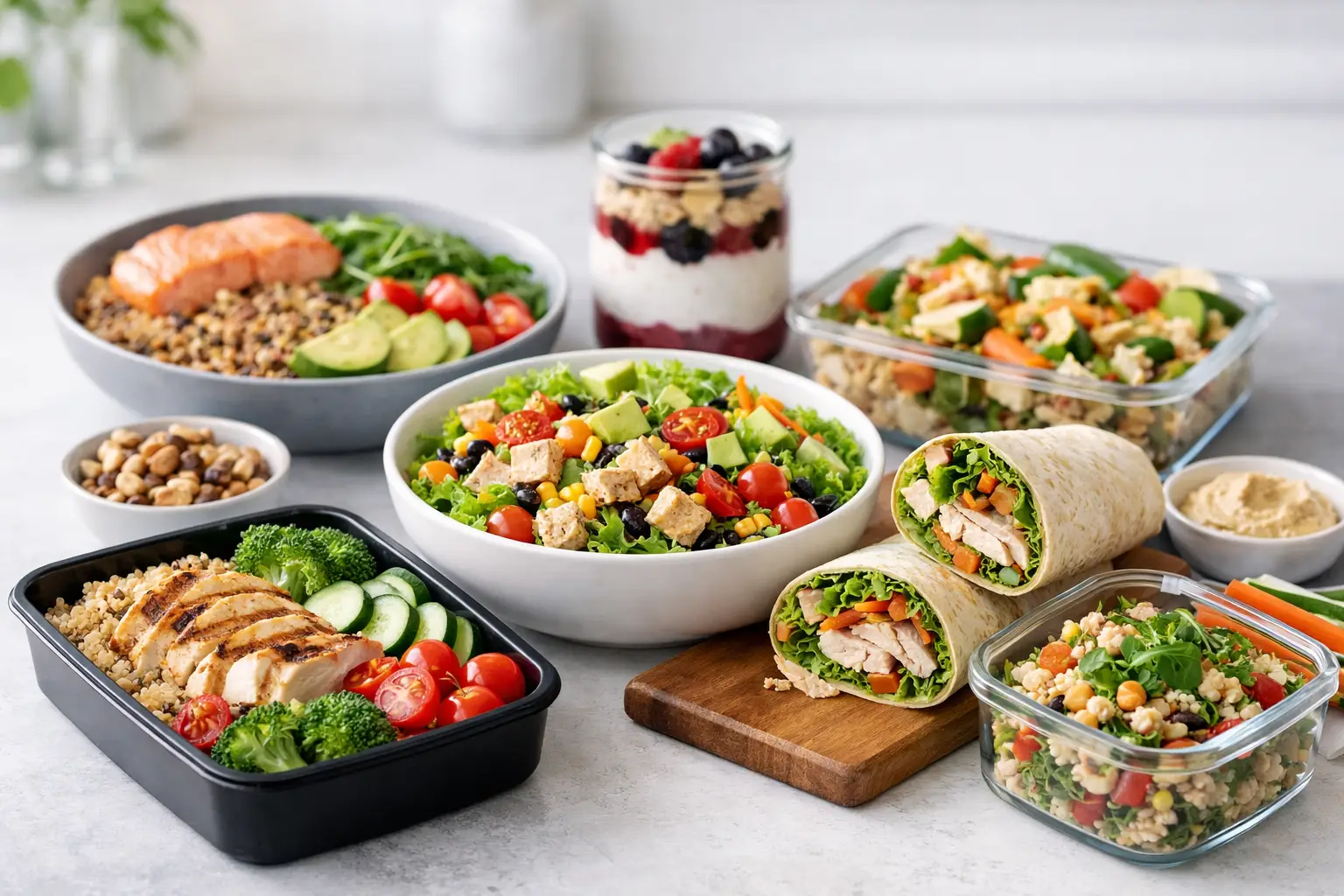
By 1 p.m., a lot of lunches fall into one of two categories: a sad desk salad that leaves you hungry an hour later, or a quick takeout meal that tastes good but does not help much with energy, focus, or long-term health. The best healthy lunch ideas adults can stick with usually land somewhere in the middle. They are satisfying, balanced, practical, and realistic enough for busy workdays.
A good lunch does not need to be perfect. It just needs to give you a mix of protein, fiber, and healthy fats, plus enough total calories to hold you over until your next meal. That balance matters because meals built around refined carbs alone, like chips, crackers, or a plain bagel, may leave you feeling sluggish or hungry soon after. On the other hand, a balanced lunch can support steadier blood sugar, better fullness, and more consistent afternoon energy.
What makes healthy lunch ideas for adults actually work
The most useful lunches tend to follow a simple formula. Start with a protein source, add high-fiber carbohydrates, include produce, and round it out with some fat for flavor and staying power. That could mean chicken with brown rice and vegetables, but it could just as easily mean Greek yogurt with fruit, nuts, and oats if that fits your schedule better.
Portion size depends on the person. Someone very active may need a larger lunch with more carbohydrates, while someone with a desk job may feel better with a lighter meal and a planned snack later. Health conditions matter too. If you are managing high blood pressure, sodium may deserve more attention. If you are trying to lose weight, the focus may be on calorie awareness without sacrificing protein and fiber.
12 healthy lunch ideas adults can use on repeat
1. Grain bowl with chicken or tofu
A grain bowl is one of the easiest lunches to build because it is flexible. Use brown rice, quinoa, or farro as the base, then add grilled chicken or baked tofu, roasted vegetables, greens, and a simple dressing. You get protein, fiber, and a good amount of volume, which helps with fullness.
This is also a strong meal-prep option. If you keep the dressing separate, the texture usually holds up well for a few days.
2. Turkey and avocado wrap
A whole grain wrap with sliced turkey, avocado, lettuce, tomato, and hummus can work well when you need something portable. Turkey provides protein, avocado adds healthy fat, and the vegetables add crunch and fiber.
The trade-off is that wraps can become calorie-dense quickly if they are oversized or packed with multiple spreads and cheese. If your goal is weight management, keep an eye on extras.
3. Lentil soup with a side salad
Soup can be a genuinely filling lunch, especially when it includes beans or lentils rather than mostly broth and noodles. Lentils provide plant protein and fiber, which can help support fullness and digestive health.
Pairing soup with a salad makes the meal more balanced. A salad with olive oil, beans, or seeds tends to be more satisfying than plain greens alone.
4. Tuna salad stuffed into a pita
Tuna is a convenient protein source and can be part of a heart-healthy eating pattern, especially when it replaces more processed lunch meats. Mix it with Greek yogurt or a lighter mayo base, then add celery, onion, or chopped pickles for texture.
Stuff it into a whole wheat pita and add sliced cucumber or spinach. If sodium is a concern, look for lower-sodium canned options and rinse when appropriate.
5. Adult lunch box
Not every lunch has to be a traditional meal. A lunch box with hard-boiled eggs, sliced vegetables, fruit, whole grain crackers, cheese, and a handful of nuts can be balanced and practical.
This option works especially well for people who get bored easily or prefer smaller portions. The key is including enough protein, since fruit and crackers alone usually will not keep you full for long.
6. Leftover salmon with vegetables and sweet potato
Leftovers are often the most realistic answer to weekday lunch. Salmon offers protein and omega-3 fats, while sweet potatoes provide fiber and carbohydrates that digest more slowly than many refined options.
If fish at the office is not ideal, this can still be a great work-from-home lunch. It is also a good reminder that healthy eating is often easier when dinner and lunch work together.
7. Chickpea salad sandwich
Mashed chickpeas mixed with Greek yogurt, mustard, lemon juice, and diced vegetables make a simple plant-based filling for a sandwich. It has fiber, some protein, and a texture similar to tuna or egg salad.
On whole grain bread with lettuce and tomato, it becomes a satisfying lunch that does not require reheating. If you want more staying power, add a side of fruit and a few nuts.
8. Cottage cheese bowl with fruit and seeds
Cottage cheese is one of the more underrated lunch options. It is high in protein, easy to prepare, and pairs well with berries, sliced peaches, chia seeds, and walnuts.
This is a good fit for adults who prefer lighter lunches or do not want another sandwich. It may not be enough for everyone on its own, so adding whole grain toast or a small oatmeal cup can make it more balanced.
9. Bean and veggie burrito bowl
A burrito bowl built with black beans, brown rice, salsa, lettuce, peppers, corn, and a small amount of cheese or guacamole can be affordable, filling, and nutrient-dense. Beans bring both protein and fiber, which is a helpful combination for appetite control.
Restaurant versions can be high in sodium and calories, so homemade versions give you more control. Still, even takeout can be reasonable if portions are adjusted and toppings are chosen thoughtfully.
10. Egg and veggie scramble with toast
Lunch foods do not have to look like lunch foods. Eggs with spinach, mushrooms, tomatoes, and whole grain toast make a quick, balanced meal that works well at home.
Eggs are rich in protein and contain several important nutrients. If cholesterol is a concern, what matters most usually depends on the overall diet and individual health history, so this is one area where personalized advice can help.
11. Pasta salad with protein
Pasta salad can be healthy if it is built with balance in mind. Use whole wheat or legume-based pasta, then add grilled chicken, chickpeas, mozzarella, cherry tomatoes, cucumbers, and a vinaigrette.
This works especially well for adults who want a cold lunch that still feels substantial. The main pitfall is relying too heavily on pasta while skimping on protein and vegetables.
12. Greek yogurt parfait with oats and nut butter
For a very fast lunch, Greek yogurt layered with oats, berries, and a spoonful of nut butter can be surprisingly satisfying. Greek yogurt offers a strong protein base, while oats and fruit provide fiber.
This is not the best choice for everyone. Some people do better with a more savory meal at midday, especially if sweeter foods trigger cravings later. But for busy days, it is a simple option worth keeping in rotation.
How to build healthy lunch ideas adults will stick with
Consistency usually matters more than variety for the first few weeks. If you find two or three lunches you actually enjoy, repeat them. That may sound boring, but it makes healthy choices easier when your workday is busy and decision fatigue is real.
It also helps to think in terms of building blocks rather than recipes. Keep a protein, a fiber-rich carb, produce, and a flavorful extra on hand. For example, pre-cooked chicken, canned beans, microwaveable brown rice, salad greens, frozen vegetables, hummus, nuts, and fruit can combine into several different lunches without much planning.
Taste matters too. People rarely stick with lunches that feel like punishment. A healthy lunch should be enjoyable, seasoned well, and filling enough to prevent the 3 p.m. snack spiral. That might mean using a real dressing, adding cheese in moderation, or choosing a higher-calorie ingredient like avocado when it helps you stay satisfied.
Common mistakes that make lunch less healthy
One of the biggest mistakes is under-eating at lunch. When lunch is too small, especially if it is low in protein, hunger often catches up later. That can make overeating at dinner or constant snacking more likely.
Another issue is relying too often on ultra-processed convenience foods marketed as health foods. Protein bars, chips made from vegetables, or low-calorie frozen meals are not always bad, but they are not automatically balanced either. Reading labels and paying attention to total nutrition is more useful than trusting front-of-package claims.
Finally, do not ignore practicality. A lunch that requires 45 minutes of prep every night may sound healthy, but it is probably not sustainable for most adults. Simple meals usually win because they fit real life.
The best lunch is the one that supports your health goals and still feels doable on an ordinary Tuesday. If it keeps you full, gives you steady energy, and fits your routine, that is a strong place to start.
Leave Feedback: Was this article helpful?