
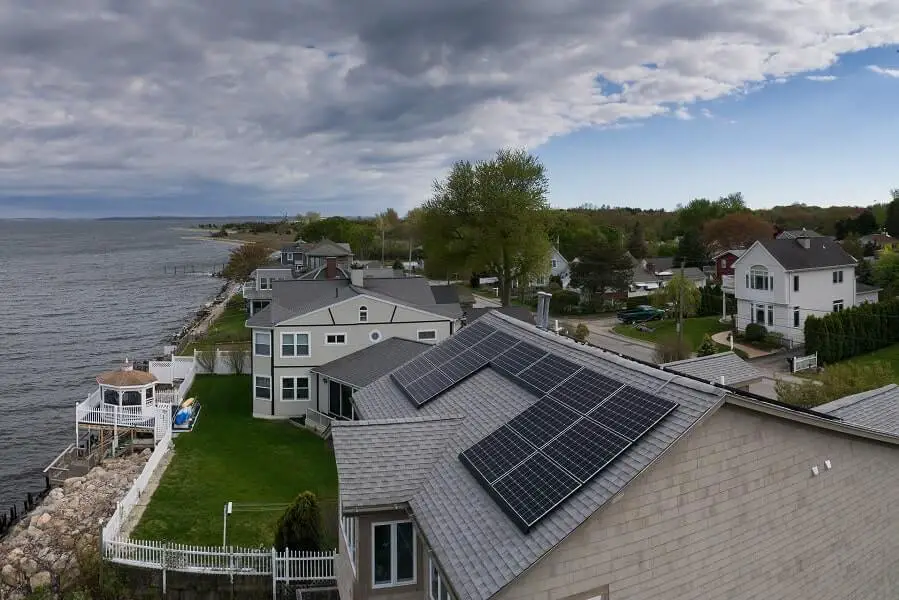
Reducing your electricity bills to zero may sound like a lovely little fantasy, especially when your monthly bill shows up and has the audacity to be higher than expected.
Solar can absolutely help lower your energy costs, and in some homes, it can cover most or even all of the electricity you use over the course of a year. But, because utility rates, roof space, weather, net metering rules and your own energy habits all matter, “zero” is not always as simple as sticking a few panels on the roof and calling it a day.
Read on for the basics of how solar panels work, what you need to think through before installing them and how to make the numbers work a little better in your favor.
Zero-cost electricity – too good to be true?
Short answer: Maybe?
Installing solar panels on your home or business can reduce your electric bill, protect you from some future utility rate increases and, in the right setup, leave you paying very little for electricity. But I would be careful with anyone promising that your bill will magically disappear forever, because that is not usually how utilities work.
You may still have minimum monthly charges, connection fees or costs for electricity you pull from the grid at night or during high-use times. In California especially, the shift to the Net Billing Tariff, often called NEM 3.0, changed how much many homeowners are credited for extra solar energy sent back to the grid, which makes batteries more important than they used to be.
That does not mean solar is a bad idea. It just means the math needs to be done honestly, not with a shiny sales brochure and a calculator that seems to have had one too many espressos.
The U.S. Department of Energy’s homeowner guide to going solar notes that system size, sunlight, electricity rates and local incentives all affect the value of a solar project. In other words, the best solar setup for your neighbor may not be the best solar setup for you.
Most solar panels are designed to last about 25 to 30 years, though inverters and batteries may need replacement sooner.
Depending on your upfront cost, incentives and energy savings, many homeowners see a payback period somewhere in the range of several years, not necessarily three. A good installer should be able to show you a realistic estimate based on your actual usage, roof and utility plan.
What are the components of home solar panels?
The good news is that reputable solar companies can walk you through the technical details without making you feel like you accidentally signed up for an electrical engineering class. Still, it helps to know the basic pieces before you start asking for quotes.
First, there are the solar panels themselves, which collect sunlight and turn it into direct current, or DC, electricity. Then there is the inverter, which converts that electricity into alternating current, or AC, power that your home can actually use.
The size and type of inverter depend on your system, your roof layout and how much electricity your panels are expected to generate.
You may also need a battery, especially if you want backup power during outages or want to store extra solar energy for use in the evening. This is becoming a bigger conversation in California, where exporting power to the grid is not always as financially rewarding as using more of your own solar energy at home.
There is also racking, which secures the panels safely to your roof or ground-mounted system. And yes, this part matters, because panels that are not properly installed are not exactly something you want “getting creative” during a windstorm.
Other components can include monitoring software, wiring, electrical panels, permits and sometimes roof repairs. A trustworthy installer should be checking these details before installation, not after something goes sideways.
How to install your panels
Solar electricity is still electricity, which means safety matters. Unless you have legitimate experience with electrical work, roofing and permitting, this is usually not the best weekend DIY project.
A professional installer can evaluate your roof, estimate how many panels you need, help with permits and make sure the system meets local code and utility requirements. The Department of Energy’s guidance on planning a home solar electric system also recommends looking at your home’s energy efficiency before sizing your system, which is a smart move.
After all, paying for a larger solar system while your attic insulation is basically waving a white flag may not be the best use of money. Sometimes the first step is lowering how much electricity your home wastes in the first place.
Do you live in California?
With a trusted solar panels company in California you can benefit from a safer installation, plus expert advice through the parts of the process that are not always obvious at first glance. That can include site surveys, utility paperwork, battery options, system design and financing choices.
From access to financial products to understanding whether a battery makes sense for your home, specialists can help your solar project run more smoothly from beginning to end. And, honestly, anything that reduces paperwork confusion is a plus in my book.
Funding your project
Although solar prices have become more competitive over time, the upfront cost can still be a few thousand dollars to tens of thousands of dollars, depending on system size, battery storage and your location. On the face of it, that can make solar feel out of reach for many homeowners.
This is where incentives, tax credits and financing can make a real difference. The federal Residential Clean Energy Credit from the IRS currently allows eligible homeowners to claim 30% of qualifying solar electric system costs for systems installed through 2032, with scheduled step-downs after that unless laws change.
There may also be state, local or utility-level incentives, depending on where you live. In California, some programs are designed to support battery storage or lower-income households, though availability and eligibility can change.
Loans and solar financing can spread out the cost, but do read the fine print. A lower monthly payment is helpful only if you understand the interest rate, ownership terms, warranties and what happens if you sell your home.
Leases and power purchase agreements may reduce upfront costs, but they are not the same as owning the system. They can still make sense for some households, but I would compare them carefully before signing anything that lasts longer than some marriages.
Solar savings depend on your home
Not every roof is a great solar roof, and that is not meant to be discouraging. It is just the practical part of the conversation.
Solar works best when you have enough unshaded roof space, good sun exposure and a roof that does not need replacing in the near future. A south-facing roof is often ideal in many areas, but east- and west-facing roofs can still work depending on your goals and energy-use patterns.
Your electricity use also matters. A household with electric vehicles, electric heating, a pool pump or heavy air conditioning use may need a larger system than a household that uses less electricity overall.
This is why a site-specific estimate is so important. A good proposal should show estimated annual production, expected savings, battery recommendations if relevant, warranties, equipment brands and the assumptions behind the payback estimate.
Bottom line
Solar panels can be a smart way to lower energy bills, increase energy independence and reduce your reliance on the grid. But getting your bill all the way to zero depends on your home, your utility rules, your system size and whether you add battery storage.
My best suggestion is to get more than one quote, ask very specific questions and make sure the numbers are based on your actual electricity use. Solar can be a great investment, but like any big home project, it works best when you go in informed rather than dazzled.
And no, you do not need to understand every wire, inverter and utility policy before moving forward. But you do need a solar company that can explain it clearly, answer your questions and give you realistic expectations from the start.
Leave Feedback: Was this article helpful?