
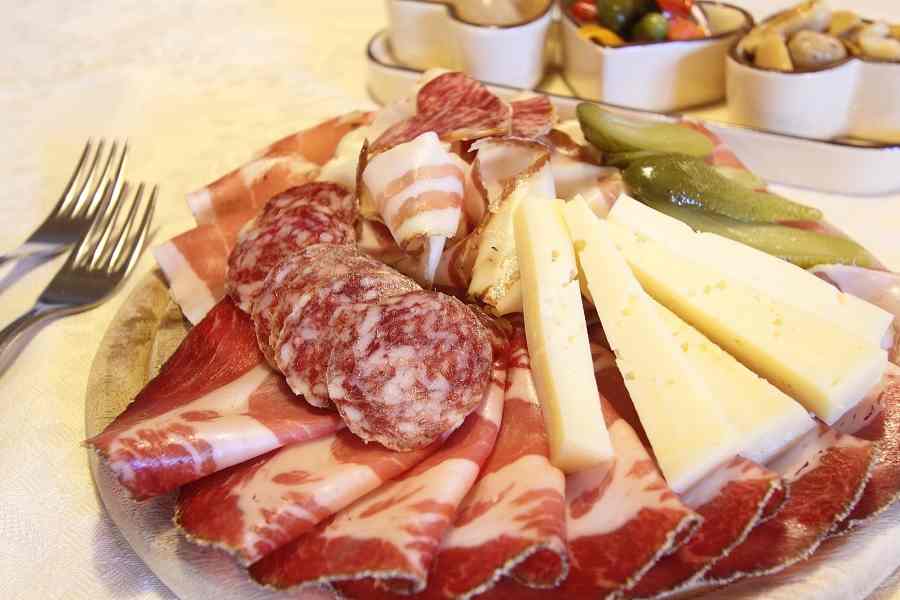
Any Italian cuisine lover will know guanciale has a certain reputation.
It is rich, fatty, salty, deeply porky and basically the ingredient that makes Roman pasta dishes taste like Roman pasta dishes.
Carbonara, amatriciana and gricia all lean heavily on that rendered guanciale fat, which is why swapping it out can feel slightly illegal.
But here is the problem: guanciale is not always easy to find. Depending on where you live, your local grocery store may have six kinds of bacon, three kinds of pancetta and absolutely zero guanciale.
Typical. The one ingredient you need is always the one hiding in a specialty shop or sitting online with a price that makes you pause for a second.
The good news?
You can still make a delicious pasta dish without it. Will it be exactly the same? No. Let’s not lie to ourselves.
But with the right substitute, you can get very close.
Interesting Facts about Guanciale
- Guanciale is an Italian cured pork product made from the cheek or jowl of the pig.
- The name comes from the Italian word guancia, meaning cheek.
- It is especially linked with central Italian cooking, particularly Lazio and Umbria.
- As noted by La Cucina Italiana, guanciale is traditionally used in Roman pasta dishes like carbonara, amatriciana and gricia.
- It is usually cured with salt, pepper and sometimes spices or herbs, then dried until the flavor becomes concentrated and the fat becomes firm but tender.
- Unlike American bacon, guanciale is not usually smoked, which is a big reason the flavor is so different.
Best Guanciale Substitutes
Before picking a substitute, it helps to understand why guanciale works so well.
Guanciale is not just “meat.” It is mostly about the fat. When it cooks, that fat slowly renders out and becomes the base of the sauce.
It coats the pasta, carries the pepper and cheese, and gives the dish that silky richness that makes you understand why people argue about carbonara online like national borders are involved.
The best guanciale substitute should be fatty, salty, preferably unsmoked and able to render enough fat to flavor the dish.
For classic Roman pasta, the closer you stay to fatty, cured, unsmoked pork, the better.
1. Pancetta
Pancetta is probably the best and easiest guanciale substitute.
It comes from pork belly, not pork cheek, but it is cured, fatty and widely available. That makes it a very practical option for carbonara, amatriciana and gricia.
As Serious Eats explains in its cured pork guide, pancetta, bacon and guanciale all come from different cuts and bring different flavors, but pancetta is often the closest easy-to-find swap because it is cured and usually unsmoked.
For most home cooks, pancetta is the safest first choice when guanciale is not available.
A few things to keep in mind:
- Use cubed or slab pancetta if possible, not paper-thin slices.
- Choose unsmoked pancetta for Italian pasta dishes.
- Render it slowly so the fat has time to melt.
- Use a little less added salt because pancetta can be salty.
Is it exactly guanciale? No.
Guanciale has a deeper, sweeter, more intense pork flavor. But pancetta will still give you a very good dish. And honestly, sometimes “very good” is all dinner needs to be.
2. Speck
Speck can work, but only if you are okay with the flavor moving away from classic Roman territory.
Speck is cured and lightly smoked, usually with a firmer texture and a deeper, more aromatic flavor. It is delicious, no argument there. But the smokiness changes the dish. That is not necessarily bad. It just means your carbonara will taste more Alpine than Roman. Speck works best in:
- creamy pasta dishes
- potato dishes
- eggs
- risotto
- sandwiches
For amatriciana or carbonara, I would use speck only if I had no pancetta, no bacon and no pork jowl. It is a good ingredient, but not the most neutral guanciale replacement.
3. Prosciutto
Prosciutto is a possible substitute, but it is not one of my favorites for hot pasta sauces.
Why? It is leaner.
Guanciale brings fat. Prosciutto brings salt, chew and a delicate cured flavor. Those are not the same job. If you crisp prosciutto too aggressively, it can become dry and a bit leathery.
And because it does not render much fat, it will not create the same sauce base. That said, prosciutto can still help when you want a salty cured pork flavor. Use it for:
- salads
- sandwiches
- pasta finished with olive oil or butter
- crispy toppings
- flatbreads
If using prosciutto in pasta, I would add a little olive oil or butter to make up for the missing rendered fat.
Not traditional, but practical. And sometimes practical saves dinner.
4. Lardo
Lardo is not the most obvious guanciale substitute, but it makes sense once you think about what guanciale actually does.
Lardo is cured pork fat. Not fatty meat. Fat. That means it can give you richness, silkiness and a beautiful texture in pasta, beans, potatoes or vegetables. The problem is that it does not bring the same meaty bite as guanciale.
Lardo is a good substitute when you need fat and flavor, but not when you need crispy pork pieces.
It works especially well in:
- pasta sauces
- roasted potatoes
- beans
- soups
- bread or focaccia
- vegetable dishes
For pasta, you can dice it finely and let it melt slowly into the pan. If you want texture, pair it with a little pancetta or pork belly.
Yes, that is a lot of pork. No, I am not complaining.
5. Pork Jowl
Pork jowl is one of the closest substitutes because it comes from the same general part of the pig as guanciale.
The challenge is that pork jowl can be sold in different forms. Sometimes it is fresh. Sometimes it is smoked. Sometimes it is cured. Sometimes it is labeled jowl bacon.
That makes it useful, but you have to read the package. If you can find cured, unsmoked pork jowl, that is a fantastic guanciale replacement.
It has enough fat to render properly, and the flavor is usually closer to guanciale than regular bacon. If it is smoked, though, it will change the dish in the same way bacon does.
Use pork jowl in:
- carbonara
- amatriciana
- gricia
- beans
- greens
- soups
Just watch the salt. Cured pork jowl can be salty, and pasta water plus salty cheese can push the whole dish over the edge fast.
6. Bacon
Bacon is the substitute most people already have in the fridge.
And yes, it works. But bacon is usually smoked, and that smoke is the main issue. Guanciale is rich and porky.
Bacon is smoky, salty and more breakfast-coded. That does not make it bad, but it does make the final dish taste different. For the closest result, choose:
- unsmoked bacon if available
- thick-cut bacon
- bacon with a good fat-to-meat ratio
- lower-sugar bacon if possible
As Epicurious notes in its carbonara recipe notes, guanciale is the traditional meat, pancetta is a secondary option, and bacon can move the dish away from the classic flavor because of its smoke.
Still, if bacon is what you have, use it. Just do not call it a perfect copy and you will be fine.
7. Pork Belly
Pork belly can be a good substitute, but it needs help. It comes from the same cut used to make bacon and pancetta, but fresh pork belly is not cured.
That means it does not bring the same saltiness, depth or aged flavor as guanciale. What it does bring is fat. A lot of it. And that is useful.
To make pork belly work better as a guanciale substitute:
- cut it into small cubes
- salt it ahead of time if possible
- render it slowly
- add black pepper generously
- consider a pinch of fennel or chili flakes depending on the dish
Pork belly is especially good in non-traditional versions of pasta, rice dishes, soups and stir-fried vegetables.
It will not taste cured unless you cure it, obviously, but it can still give you a rich and satisfying dish.
Choosing the Best Guanciale Alternative
The best substitute depends on what you are making.
For carbonara, amatriciana or gricia, I would rank the best options like this:
- Pancetta
- Cured unsmoked pork jowl
- Unsmoked bacon
- Pork belly
- Lardo
- Speck
- Prosciutto
The less smoky the substitute, the closer you will stay to the original flavor.
That is probably the most important point. Smoked meats can be delicious, but they quickly take over delicate pasta sauces.
Carbonara should taste like eggs, cheese, pork fat and black pepper. Amatriciana should taste like tomato, pecorino, chili and guanciale. Once smoke walks into the room, everyone notices.
For the closest guanciale substitute, choose fatty, cured and unsmoked pork.
Also, be careful with salt. Guanciale, pancetta, bacon, speck and prosciutto are all salty in different ways. Add salty pecorino Romano and salted pasta water, and suddenly your “authentic Italian dinner” tastes like the sea had a bad day.
Taste as you go. Always.
Can You Make Carbonara Without Guanciale?
Yes, you can make carbonara without guanciale.
Will some Italians object? Probably.
Will the internet survive? Also probably.
A traditional Roman carbonara is usually made with guanciale, eggs, pecorino Romano and black pepper. As Cucina by Elena writes in her Roman-style carbonara guide, the classic version does not need cream because the sauce comes from eggs, cheese, pasta water and rendered pork fat.
That last part is why the meat substitute matters so much. You are not just adding pork as a topping. You are building the sauce around the fat it releases. Pancetta will get you closest. Bacon will make a tasty version.
Pork belly will need more seasoning. Prosciutto will need added fat. Lardo will need something meaty if you want texture.
Different? Yes. Still worth eating? Absolutely.
This is also interesting:
- What are the Substitutes for Cashew Butter
- The Best Substitutes for Chuck Roast
- What are the Best Substitutes for Red Chili Peppers
In Conclusion
Guanciale is hard to beat. It has that rich pork flavor, beautiful rendered fat and unmistakable role in Roman pasta dishes.
But if you cannot find it, you still have options. Pancetta is the best overall substitute.
Cured pork jowl is even better if you can find it unsmoked. Bacon works in a pinch, especially unsmoked bacon. Pork belly, lardo, speck and prosciutto can all work too, but each one changes the dish in its own way.
The main thing is to know what you are trying to replace. You are not just replacing meat. You are replacing rendered fat, salt, texture and flavor. That is why a lean substitute will never act like guanciale, and a smoked substitute will never taste quite as clean.
Still, don’t let the lack of guanciale stop you from making the pasta. Use the closest substitute you can find, adjust the salt, render the fat slowly and enjoy the dish in front of you.
Sometimes the “not perfectly authentic” version is still the one everyone goes back for.
Leave Feedback: Was this article helpful?