
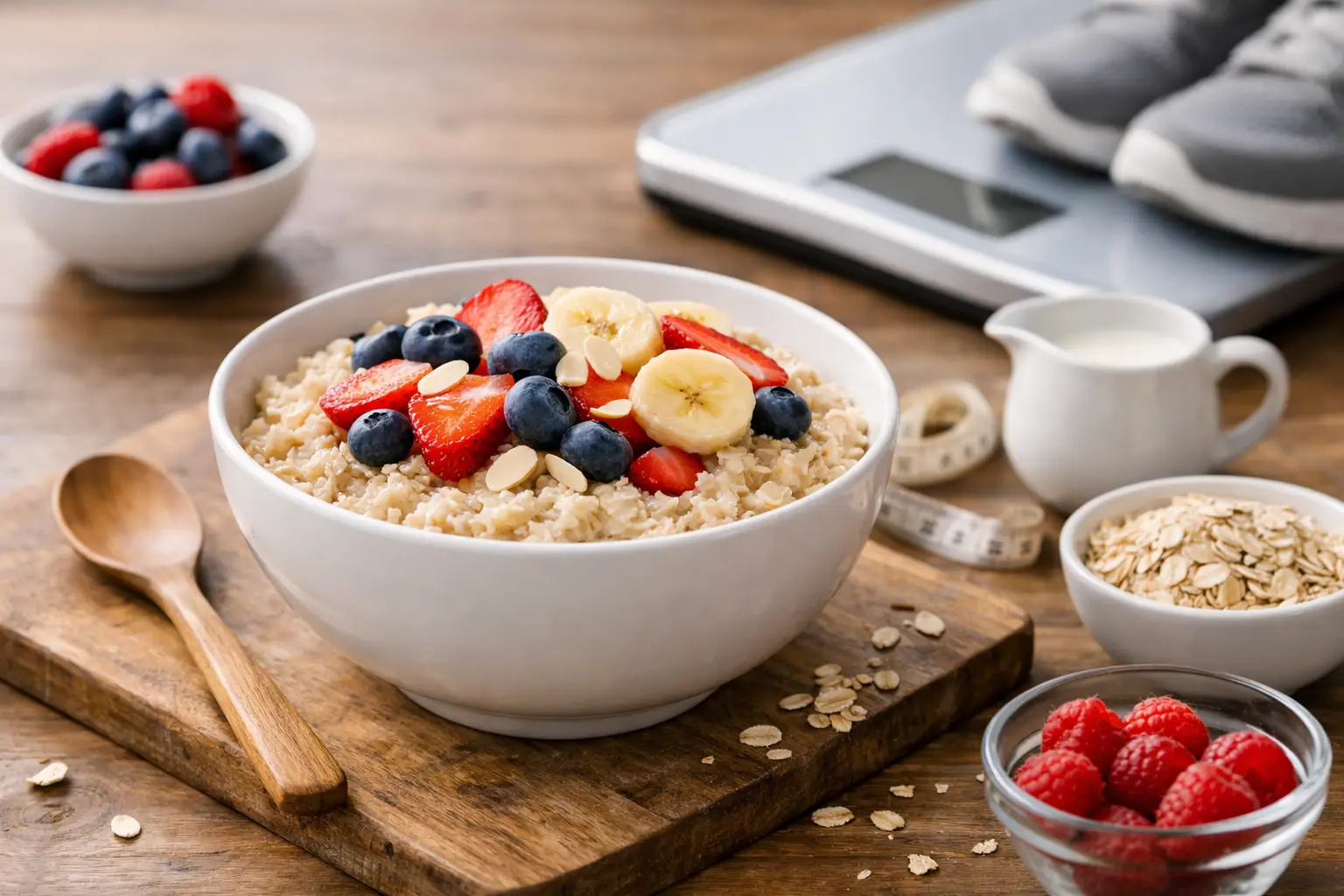
A bowl of oatmeal can be a smart breakfast – or a sneaky source of extra calories. That is why so many people ask, is oatmeal good for weight loss? The short answer is yes, it can be. But the result depends on how you prepare it, how much you eat, and what else is happening in your overall diet.
Oatmeal has a healthy reputation for good reason. It is made from whole oats, which provide fiber, some protein, and slow-digesting carbohydrates. Those qualities can help you feel full, manage cravings, and keep energy more stable than a sugary breakfast pastry or sweetened cereal. Still, oatmeal is not a magic food, and it does not guarantee weight loss on its own.
Is oatmeal good for weight loss or not?
For many people, oatmeal can support weight loss because it is filling for the number of calories it provides. A plain serving of oats is relatively moderate in calories, especially compared with restaurant breakfasts, muffins, pancakes, or heavily sweetened granola. When a meal keeps you satisfied longer, it may help you eat less later in the day without feeling deprived.
One reason oats are so satisfying is their fiber content, especially a type of soluble fiber called beta-glucan. This fiber absorbs water and forms a gel-like texture in the digestive tract. That can slow stomach emptying and help you stay full longer after eating. Some research also suggests beta-glucan may help improve blood sugar response and support heart health, which adds to oatmeal’s appeal as a regular breakfast option.
Oatmeal also tends to be easy to portion and easy to build into a routine. That matters more than people often realize. Weight loss is usually less about finding one perfect food and more about repeating habits you can stick with. If oatmeal is convenient, affordable, and satisfying for you, it has a real advantage.
At the same time, not every oatmeal breakfast is weight-loss friendly. Instant flavored packets, oversized portions, and toppings like brown sugar, syrup, dried fruit, and nut butter can push the calorie total up fast. In that case, the oats are not the problem. The extras are.
Why oatmeal can help with appetite
When people struggle with weight loss, hunger is often the biggest obstacle. A breakfast that leaves you hungry an hour later can make the rest of the day harder. Oatmeal can help because it combines volume, warmth, fiber, and steady carbohydrates in a way many people find genuinely satisfying.
Plain oats are also less likely to trigger the quick rise and fall in blood sugar that can happen with more refined breakfast foods. While everyone responds to food a little differently, a slower-digesting meal may reduce midmorning hunger and the urge to snack.
Texture matters too. Hot oatmeal takes longer to eat than a breakfast drink or pastry eaten on the go. That slower pace can help you notice fullness more easily. It is a small detail, but small details often shape eating habits over time.
The type of oatmeal makes a difference
Not all oatmeal is nutritionally identical, although the differences are smaller than many people think. Steel-cut oats, old-fashioned rolled oats, and quick oats all come from the same whole grain. The biggest differences are how much they are processed and how quickly they cook.
Steel-cut oats are chopped rather than rolled, so they have a chewier texture and usually take longer to digest. Old-fashioned oats are steamed and rolled flat, which makes them cook faster while still offering solid nutrition. Quick oats are rolled thinner and cook very fast, but they are still a reasonable choice if you buy them plain.
The bigger concern is usually flavored instant oatmeal. Many packets contain added sugar and small portion sizes that may not keep you full for long. They can still fit into a balanced diet, but if your goal is weight loss, plain oats give you more control over calories, sweetness, and toppings.
Common mistakes that make oatmeal less helpful
Oatmeal gets blamed for weight gain more often than it should. Usually, the issue is not the oats themselves but how the bowl is built.
A common mistake is making the portion too large. Dry oats expand when cooked, so it is easy to underestimate how much you are eating. A serving that starts as half a cup dry may be satisfying for some people, but doubling it without thinking also doubles the calories.
Another mistake is treating oatmeal like dessert. A little cinnamon, berries, or chopped nuts can be a great addition. But spoonfuls of sugar, honey, chocolate chips, and large amounts of peanut butter can turn a modest breakfast into a high-calorie meal.
There is also the protein issue. Oatmeal contains some protein, but not a lot. If you eat oats by themselves and feel hungry soon after, the fix may be to add protein rather than giving up on oatmeal entirely. Greek yogurt, cottage cheese on the side, eggs, protein powder, or milk instead of water can make the meal more balanced.
How to make oatmeal better for weight loss
If you want oatmeal to work for your goals, keep it simple and balanced. Start with plain oats and watch portions. Then build the bowl with ingredients that improve fullness without sending calories too high.
Fiber-rich fruit like berries or diced apple can add sweetness and volume. Cinnamon can boost flavor without adding calories. A small amount of nuts or seeds adds healthy fat and texture, but it helps to measure them rather than pouring freely. If you need more staying power, adding a source of protein is often the most effective move.
Savory oatmeal is another option people overlook. Oats do not have to be sweet. Cooking them with a pinch of salt and topping them with an egg, spinach, or sauteed vegetables can create a filling meal that feels completely different from standard breakfast oatmeal.
If convenience matters, overnight oats can also work well. Just be careful with the recipe. Some versions are light and balanced, while others are packed with sweeteners, full-fat dairy, and multiple calorie-dense add-ins.
Is oatmeal good for weight loss if you eat it every day?
It can be, as long as you still pay attention to variety and your overall eating pattern. Eating oatmeal every day is not automatically a problem. In fact, for some people, a repeat breakfast makes healthy eating easier because it removes decision fatigue.
The question is whether that daily oatmeal helps you stay full, fits your calorie needs, and leaves room for other nutrient-rich foods throughout the day. If yes, it can absolutely be part of a healthy routine. If you are bored, still hungry, or relying on sugary toppings to make it enjoyable, you may be better off rotating other balanced breakfasts into the mix.
Weight loss also depends on total calorie intake, physical activity, sleep, stress, and consistency over time. Oatmeal can help, but it is one piece of the picture. No single food can overcome an eating pattern that consistently provides more energy than your body needs.
Who may need to be more careful
Oatmeal works well for many people, but there are exceptions. If you have diabetes or insulin resistance, plain oatmeal is often a better choice than sugary breakfasts, but portion size and toppings still matter for blood sugar control. Pairing oats with protein and healthy fat may help create a steadier response.
If you follow a lower-carb eating pattern, oatmeal may or may not fit your plan. It is a carbohydrate-rich food, even though it is a nutritious one. For some people, that is perfectly fine. For others, it may not align with how they prefer to eat.
People with celiac disease or gluten sensitivity should also be careful to choose certified gluten-free oats, since cross-contact can happen during processing.
The bottom line on oatmeal and weight loss
Oatmeal can be a very good food for weight loss because it is filling, nutrient-dense, affordable, and easy to prepare. Its fiber, especially beta-glucan, can help with satiety, and plain oats are usually a better breakfast choice than many highly processed alternatives.
What matters most is how you serve it. A moderate portion of plain oats with fruit and protein is very different from a giant bowl loaded with sugar and high-calorie toppings. If oatmeal helps you stay satisfied and makes healthy eating easier, it is doing exactly what a useful weight-loss food should do.
At The Healthy Apron, we look at foods the way they actually work in real life. Oatmeal is not a shortcut, but it can be a reliable tool. If it fits your appetite, schedule, and preferences, it is one of the more practical breakfasts to keep in your rotation.
Leave Feedback: Was this article helpful?