
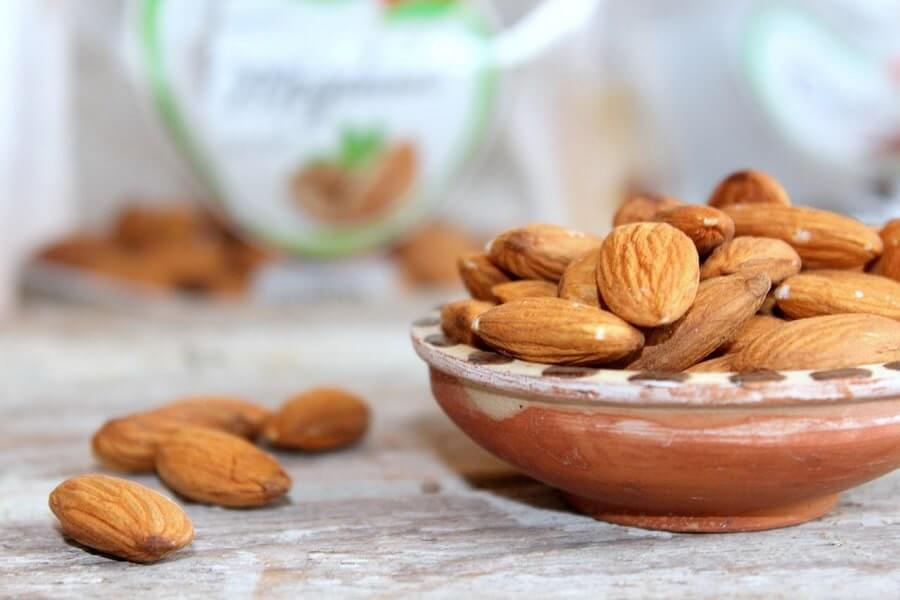
Almond milk has quickly become popular as a dairy-free alternative to regular milk.
It is a favorite for many people who are lactose intolerant, vegan or simply looking for something different to splash into coffee, cereal or smoothies.
But, as with most foods, more is not always better.
Almond milk can cause diarrhea in some people, but not always for the reasons you may think. Most plain almond milk is actually low in fiber and not especially high in magnesium, unless it has been fortified or you are drinking quite a bit of it.
Can almond milk cause diarrhea? Short answer: yes, it can.
For some people, the issue may be an almond allergy, a sensitivity to gums or additives, drinking too much at once, added sugars or sugar alcohols, or simply a stomach that does not love the sudden change. Annoying, yes, but usually not a mystery novel.
Can Too Much Almond Milk Cause Diarrhea?
It can, especially if you jump from never drinking almond milk to having several glasses a day.
Some digestive systems do not appreciate being surprised, even by something sitting in a cute carton in the “healthy” section.
Almond milk is lactose-free, which is why many people choose it in the first place. As noted by the National Institute of Diabetes and Digestive and Kidney Diseases, lactose intolerance can cause diarrhea, gas, bloating and cramps after dairy, so switching to almond milk may actually help some people.
However, lactose-free does not automatically mean stomach-proof.
Store-bought almond milk may contain thickeners, stabilizers, added sugars or flavorings, depending on the brand. For some people, these extras are the real problem, not the almonds themselves.
Drinking large amounts of any new beverage can also change your usual eating pattern. And yes, if almond milk is replacing meals, adding extra sweeteners or being consumed in large amounts, your bowels may file a formal complaint.
Is Diarrhea from Almond Milk Normal?
Occasional loose stools after trying a new almond milk may happen, but it should not be your new normal.
Diarrhea that shows up every time you drink almond milk is a clue. It does not always mean something serious is going on, but it does mean your body is not handling something well.
The important question is not just “Did almond milk cause diarrhea?” but “Which part of the almond milk is causing the problem?”
It may be the almonds, the additives, the amount you drank, or a flavored version with extra sugar. Chocolate almond milk, for example, may be more irritating for some people because it can contain added sugar, cocoa and other ingredients.
Food allergies should also be taken seriously. The American College of Allergy, Asthma & Immunology lists almonds as tree nuts, and tree nut allergies can cause symptoms that range from digestive issues to more serious reactions.
Seek medical care quickly if diarrhea comes with hives, swelling, wheezing, trouble breathing, dizziness or vomiting. That is no longer a “maybe I drank too much almond milk” situation.
Why Does Almond Milk Cause Diarrhea?
There are a few possible reasons almond milk may send you running to the bathroom.
And no, it is not always because almond milk is “bad.” Sometimes it is just not the right fit for your digestive system.
1. You may be sensitive or allergic to almonds
Almond milk is made from almonds, and almonds are tree nuts. That seems obvious, but it is easy to forget when the final product looks like milk and tastes like vanilla.
A mild sensitivity may cause stomach discomfort, nausea or diarrhea. A true allergy can be much more serious and should be discussed with an allergist or physician.
2. Gums and thickeners can bother some stomachs
Many almond milks contain ingredients like gellan gum, guar gum, locust bean gum or xanthan gum to improve texture and prevent separation. These are generally considered safe, but some people are more sensitive to them, especially in larger amounts.
For example, guar gum is a type of soluble fiber and can have a laxative effect in certain amounts. That does not mean everyone needs to avoid it, but it may explain why one brand bothers you and another does not.
3. Sweetened almond milk may be the issue
Unsweetened almond milk and sweetened vanilla almond milk are not nutritionally identical twins.
Some flavored almond milks contain added sugar, and other “low sugar” products may use sugar alcohols or alternative sweeteners. In some people, these can cause gas, bloating or diarrhea, especially when consumed in larger servings.
4. You changed your diet too quickly
Your gut likes routine more than most of us want to admit.
Adding almond milk to smoothies, protein shakes, cereal, coffee and baked goods all at once may simply be too much change too quickly. This is especially true if you are also increasing fiber from fruits, seeds or powders at the same time.
5. It may not be the almond milk at all
Sometimes almond milk gets blamed because it is the newest food in the lineup. But diarrhea can also come from a stomach virus, food poisoning, medications, stress, caffeine, or another food eaten around the same time.
As MedlinePlus notes, diarrhea has many possible causes, from infections to food intolerances. In other words, almond milk may be guilty, but do not convict it without a little investigation.
What About Fiber and Magnesium?
Older nutrition advice sometimes points to fiber and magnesium as the main reasons almond milk may cause diarrhea.
That can be true in certain situations, but it needs some context.
Whole almonds contain fiber and magnesium, but almond milk is made by blending almonds with water and then straining out much of the almond pulp. Because of that, most commercial almond milk is not a major source of fiber.
Magnesium can have a laxative effect in supplement form, especially magnesium citrate, but a typical cup of almond milk is not the same as taking a magnesium supplement. Bottom line: fiber and magnesium are probably not the main cause unless the product is fortified, concentrated, homemade with a lot of almonds, or part of a much bigger dietary change.
What to Do If Almond Milk Gives You Diarrhea
First, stop drinking it for a few days and see what happens.
I know, not exciting advice. But sometimes the least dramatic solution is the most useful one.
- Take a break from almond milk. Give your digestive system time to calm down before testing it again.
- Hydrate. Diarrhea can lead to fluid loss, so water, broth or an oral rehydration solution may help, especially if symptoms last more than a day.
- Choose bland, easy foods. Rice, bananas, applesauce, toast, crackers, potatoes and soup may be better tolerated while your stomach recovers.
- Check the ingredient label. Look for gums, added sugars, sugar alcohols and flavorings that may be bothering you.
- Try a different brand. A simple unsweetened almond milk with fewer ingredients may be easier to tolerate.
- Reintroduce slowly. Start with a small amount, such as ¼ cup, instead of pouring a giant glass and hoping for the best.
Contact a health care professional if diarrhea lasts more than a couple of days, keeps coming back, or comes with fever, blood in the stool, severe pain, dehydration or unexplained weight loss.
The Ingredient That Can Be a Problem
Carrageenan has been one of the more controversial additives in plant-based milks.
It is derived from red seaweed and has been used to thicken and stabilize foods and drinks, including some dairy-free milks. Some research, including this review on carrageenan and gastrointestinal health, has raised questions about whether carrageenan may contribute to digestive symptoms in certain people.
At the same time, food safety agencies have allowed carrageenan for use in foods, and not all almond milks contain it. This is one of those nutrition topics where the answer is not as clean as the internet would like it to be.
My practical take? If you notice stomach pain or diarrhea after drinking an almond milk that contains carrageenan, try a carrageenan-free brand and see whether your symptoms improve.
How to Choose an Almond Milk That Is Easier on Digestion
When buying almond milk, flip the carton around and read the label.
Not glamorous, I know. But it beats learning the hard way after breakfast.
- Choose unsweetened when possible, especially if sweet drinks tend to bother your stomach.
- Look for a shorter ingredient list if you suspect gums or additives are an issue.
- Check for carrageenan if you know it bothers you.
- Avoid “barista” versions at first if you are sensitive, since they often include extra oils or stabilizers for texture.
- Watch serving size. One cup is different from four cups, and your gut knows the difference.
Facts About Almond Milk
Almond milk is not all bad. Actually, for many people, it can be a perfectly fine addition to a healthy diet.
The key is knowing what it does and does not provide.
Almond Milk Nutrition
Nutrition varies by brand, especially when comparing sweetened, unsweetened and fortified versions.
Based on values listed in USDA FoodData Central, one cup of unsweetened almond milk is often relatively low in calories and protein, though exact numbers depend on the product. Many brands are also fortified with nutrients like calcium and vitamin D.
A typical cup of unsweetened almond milk may contain roughly:
- 30 to 60 calories: This is usually lower than cow’s milk, though sweetened versions can be higher.
- About 1 gram of protein: This is much lower than dairy milk or soy milk, which is important if you are relying on it for protein.
- 2 to 3 grams of fat: Most of the fat is unsaturated, which is the type generally considered more heart-friendly.
- About 1 to 3 grams of carbohydrates: Unsweetened versions are usually low in carbs, while sweetened versions can contain more.
- Calcium and vitamin D: Many commercial almond milks are fortified, but homemade almond milk usually is not.
Important to note: almond milk is not nutritionally the same as eating almonds.
Whole almonds provide more fiber, protein and minerals. Almond milk gives you a dairy-free beverage option, but it should not be expected to do every nutrition job.
How Almond Milk Is Made
You can make almond milk at home, and it is honestly pretty simple.
The one downside is that homemade almond milk is usually not fortified with calcium or vitamin D like many store-bought versions. Delicious, yes, but not magic.
- Soak 1 cup of almonds in water overnight, or for up to two days for a creamier texture.
- Drain and rinse the almonds.
- Add the almonds to a blender with 3 to 4 cups of fresh water.
- Blend until the mixture looks creamy and milky.
- Strain through a nut milk bag or cheesecloth to separate the liquid from the almond pulp.
- Add flavor if desired, such as vanilla or a small amount of honey, but keep it simple if your stomach is sensitive.
Homemade almond milk can spoil quickly, so keep it refrigerated and use it within a few days.
Almond Milk Benefits
Almond milk can fit into a healthy eating pattern, especially for people who do not drink dairy.
Some of the possible benefits include:
- It is lactose-free. This makes it a useful option for people with lactose intolerance.
- It can be lower in calories. Unsweetened almond milk is often lower in calories than whole dairy milk.
- It may be fortified. Many brands add calcium and vitamin D, which are important for bone health.
- It works in vegan cooking. Almond milk can be used in smoothies, oatmeal, pancakes, sauces and baked goods.
- It contains vitamin E. Almonds naturally contain vitamin E, an antioxidant nutrient, though the amount in almond milk varies by brand.
That said, almond milk is low in protein. If you are replacing dairy milk with almond milk, make sure you are getting protein from other foods, such as eggs, fish, poultry, beans, lentils, tofu, yogurt, nuts or seeds.
Frequently Asked Questions
Is Almond Milk Good for You?
Almond milk can be good for you, depending on the type you choose and how it fits into your overall diet.
Unsweetened, fortified almond milk is usually the better choice for everyday use. Sweetened versions can still fit, but I would treat them more like a flavored beverage than a health food.
Can Almond Milk Cause Gas and Bloating?
Yes, almond milk can cause gas or bloating in some people.
This may be from additives, gums, sweeteners or drinking too much at once. Try switching to an unsweetened version with fewer ingredients and see whether your symptoms improve.
Can Chocolate Almond Milk Cause Diarrhea?
Yes, chocolate almond milk can cause diarrhea, especially if it contains added sugar, sugar alcohols, cocoa or other ingredients that irritate your stomach.
Try plain unsweetened almond milk instead and compare. Your digestive system may make the answer pretty clear.
Can Silk Almond Milk Cause Diarrhea?
Yes, Silk almond milk, like any almond milk, can cause diarrhea in some people.
It does not mean the brand is bad. It may simply be that one of the ingredients, the serving size or almonds themselves are not agreeing with you.
Should You Avoid Almond Milk After Diarrhea?
Temporarily, yes.
Give your stomach a little time to settle, then reintroduce a small amount if you want to test your tolerance. Repeated symptoms are a good reason to stop drinking it and speak with a clinician.
Takeaways
Can almond milk cause diarrhea? Sure, it can.
But for many people, almond milk is not a problem at all. The bigger issue is often the amount, added sweeteners, gums, carrageenan, a tree nut allergy or a digestive system that simply does not tolerate it well.
Start with a small serving, choose unsweetened almond milk, read the ingredient label and pay attention to how your body responds.
And remember, one carton of almond milk will not fix years of eating habits. But a thoughtful, balanced diet with foods you tolerate well? That is much more likely to keep both you and your bowels happy.
Leave Feedback: Was this article helpful?