
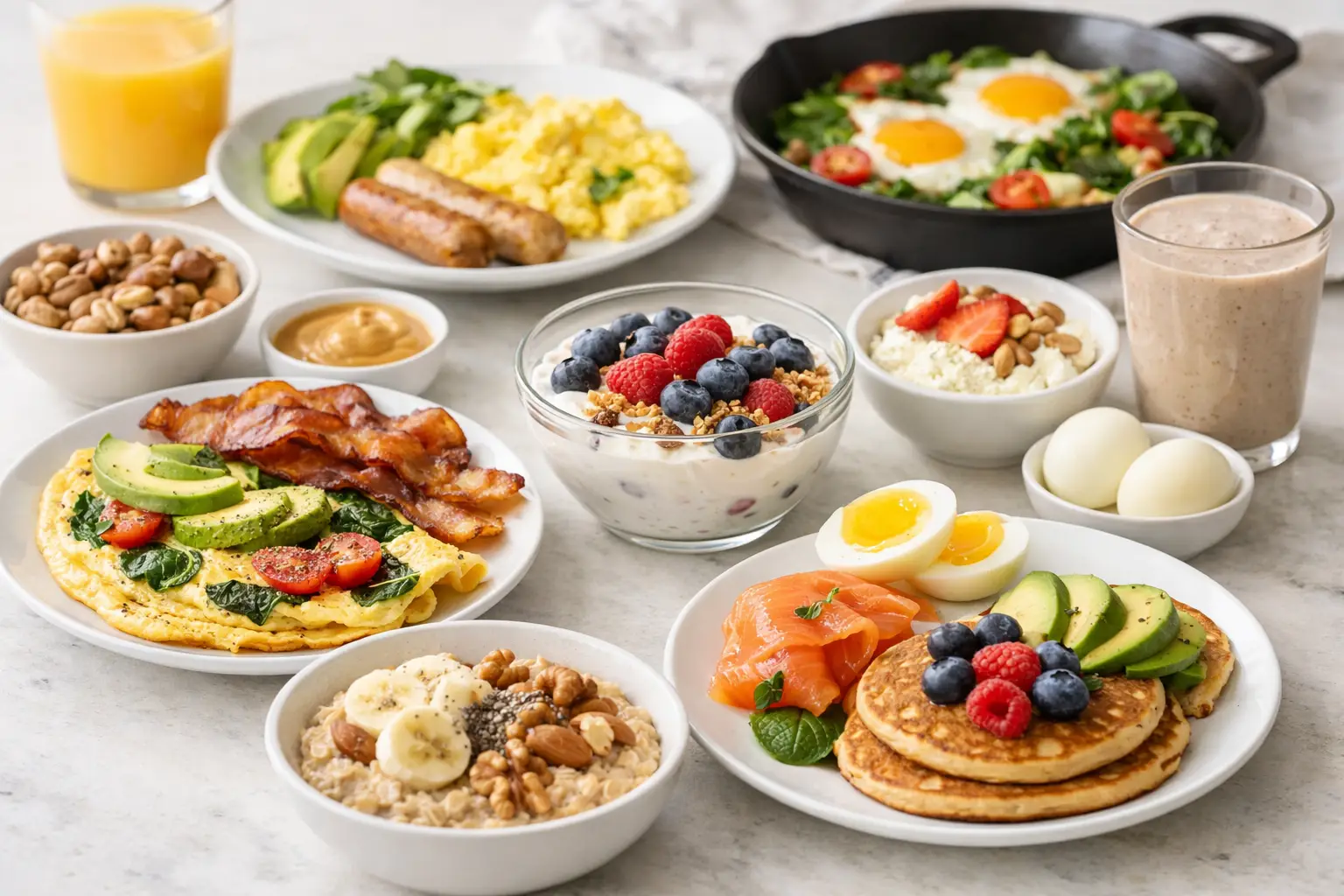
If breakfast leaves you hungry an hour later, the problem may not be the meal itself – it may be the protein. The best high protein breakfasts tend to keep you fuller longer, support muscle maintenance, and make it easier to avoid the mid-morning crash that sends you looking for snacks.
Protein matters in the morning for a few reasons. It slows digestion compared with a carb-heavy breakfast, which can help with satiety and steadier energy. It also supports muscle repair and maintenance, especially if you exercise regularly, are trying to lose weight without losing lean mass, or simply want meals that feel more satisfying.
That said, there is no single perfect breakfast for everyone. A good choice depends on your appetite, schedule, budget, and dietary preferences. Some people do well with eggs and toast. Others want something portable, dairy-free, or sweet rather than savory. The most useful breakfast is the one that fits your life well enough to become a habit.
What makes the best high protein breakfasts?
In practical terms, a high-protein breakfast usually offers at least 15 to 20 grams of protein, and many people benefit from 20 to 30 grams. That range can help with fullness and can contribute meaningfully to your total daily intake.
Protein is only part of the picture, though. The best high protein breakfasts also include some fiber, healthy fats, or complex carbohydrates. A bowl of sugary cereal with a splash of milk may contain a little protein, but it usually will not satisfy you the same way Greek yogurt with berries and nuts will. Balance matters.
Food quality matters too, but perfection is not required. A homemade egg scramble with vegetables is great. So is a store-bought cottage cheese cup and fruit when you are rushing out the door. Reliable nutrition often comes from repeatable choices, not idealized ones.
12 best high protein breakfasts for real life
1. Greek yogurt bowl
Plain Greek yogurt is one of the easiest high-protein breakfast staples. It packs substantial protein into a single serving and pairs well with berries, chia seeds, walnuts, or a little oats. If you want something sweet, this is often a better choice than flavored yogurt, which can carry a lot of added sugar.
The trade-off is that some people find Greek yogurt too tangy or not filling enough on its own. Adding fruit and seeds usually helps with both taste and staying power.
2. Eggs with whole grain toast
Eggs are popular for a reason. They are versatile, affordable, and rich in high-quality protein. Pairing eggs with whole grain toast can create a more balanced breakfast than eggs alone, especially if you add avocado or a side of fruit.
If cholesterol is a concern, the broader dietary pattern matters more than fearing eggs in isolation for most healthy people. Still, individual needs vary, so anyone with specific medical concerns should follow advice from their healthcare provider.
3. Cottage cheese with fruit
Cottage cheese is having a comeback, and nutritionally, it makes sense. It is high in protein, easy to portion, and works well with pineapple, berries, peaches, or tomatoes and cracked pepper if you prefer savory flavors.
Its main downside is texture. If you have never liked cottage cheese, blending it into a smoothie or spreading it on toast can make it more appealing.
4. Protein oatmeal
Oatmeal alone is not especially high in protein, but it becomes much stronger nutritionally when you stir in Greek yogurt, milk, protein powder, nut butter, or hemp seeds. This is a smart option if you want a warm breakfast that also delivers fiber.
Be careful with sweetness here. Packets flavored with brown sugar or maple may turn breakfast into dessert. Plain oats with your own add-ins usually give you more control.
5. Breakfast burrito
A breakfast burrito made with eggs, black beans, cheese, and vegetables can offer a strong protein boost along with fiber. It is also meal-prep friendly, which matters if mornings are chaotic.
Portion size can vary a lot. A giant burrito from a takeout spot may come with more calories and sodium than you expected, so homemade versions are often easier to manage.
6. Smoothie with protein-rich ingredients
A smoothie can be one of the best high protein breakfasts if you build it well. A solid formula might include Greek yogurt or protein powder, fruit, milk or soy milk, and a fiber source like chia seeds or oats.
The issue is that smoothies are easy to drink quickly, which may leave some people less satisfied than chewing a meal. If that happens to you, make it thicker or pair it with something solid like a boiled egg.
7. Tofu scramble
For a plant-based breakfast, tofu scramble deserves more attention. Firm tofu can provide a meaningful amount of protein, and when cooked with vegetables and spices, it offers a texture and flexibility that works well for breakfast.
This option is especially useful for people who do not eat eggs or dairy. The flavor depends heavily on seasoning, so a bland tofu scramble is usually a recipe problem, not a tofu problem.
8. Smoked salmon on whole grain toast
Smoked salmon with whole grain toast and a spread like cream cheese or mashed avocado gives you protein, healthy fats, and a breakfast that feels more substantial than cereal. It is also fast, which gives it an edge on busy mornings.
The main watch-out is sodium. Smoked salmon can be relatively high in salt, so it is best enjoyed as part of an overall balanced diet rather than the default every single day.
9. Chia pudding with added protein
Chia pudding by itself offers fiber and healthy fats, but it becomes more filling when made with higher-protein milk or paired with yogurt. This is a convenient make-ahead breakfast for people who do not want to cook in the morning.
It is worth noting that chia seeds are nutritious, but they are not a protein powerhouse compared with dairy, eggs, soy, or protein powder. Think of them as a helpful addition, not the main protein source.
10. Turkey or chicken breakfast sandwich
A breakfast sandwich can absolutely fit a healthy routine if it is built thoughtfully. Whole grain English muffin, egg, lean turkey or chicken sausage, and a slice of cheese can deliver a balanced mix of protein and carbs.
Packaged breakfast sandwiches are convenient, but they can be high in sodium and saturated fat. Reading labels can make a real difference here.
11. High-protein pancakes or waffles
If you want a comfort-food breakfast, pancakes or waffles made with eggs, cottage cheese, Greek yogurt, or protein powder can be surprisingly nutritious. They are especially appealing for families who want a breakfast that feels familiar.
Just keep an eye on toppings. Heavy syrup and whipped cream can crowd out the benefits. Nut butter, fruit, or yogurt usually make more balanced additions.
12. Leftovers from dinner
This may not sound glamorous, but leftover grilled chicken, roasted vegetables, and potatoes can be a better breakfast than many traditional morning foods. There is no nutrition rule that says breakfast has to be sweet or built around eggs.
For shift workers, athletes, or anyone with a big morning appetite, leftovers can be practical, filling, and less work than starting from scratch.
How to choose the best high protein breakfasts for your goals
If your goal is weight loss, prioritize breakfasts that combine protein with fiber and are satisfying enough to reduce random snacking later. Greek yogurt with berries, eggs with vegetables, or oatmeal boosted with protein are often good fits.
If you are focused on muscle gain or workout recovery, a breakfast with closer to 25 to 30 grams of protein may make more sense. That might look like a smoothie with protein powder, a breakfast burrito with eggs and beans, or cottage cheese plus toast and fruit.
If convenience matters most, keep simple staples around. Single-serve yogurt, hard-boiled eggs, cottage cheese, frozen breakfast burritos you made ahead, and protein smoothie ingredients can save you from skipping breakfast or grabbing something less filling.
For plant-based eaters, tofu scramble, soy yogurt, edamame, nuts, seeds, and protein-fortified options can help. It may take slightly more planning, but it is entirely possible to build a satisfying high-protein breakfast without animal products.
A few breakfast mistakes to avoid
One common mistake is assuming all protein bars or shakes are healthy by default. Some are useful, especially when time is tight, but others are closer to dessert in disguise. Looking at protein, added sugar, and ingredient quality can help you sort the difference.
Another mistake is chasing protein while ignoring the rest of the meal. A breakfast built only around protein may still leave you unsatisfied if it lacks fiber or enough total calories. That is one reason a hard-boiled egg by itself often does not hold people for long.
Finally, do not assume you need an elaborate recipe. At The Healthy Apron, the most reliable nutrition advice is often the least flashy: simple meals you can repeat consistently usually beat ambitious breakfasts you only make once.
A good breakfast should make your morning easier, not harder. Start with one high-protein option you actually enjoy, keep the ingredients on hand, and let consistency do the heavy lifting.
Leave Feedback: Was this article helpful?