
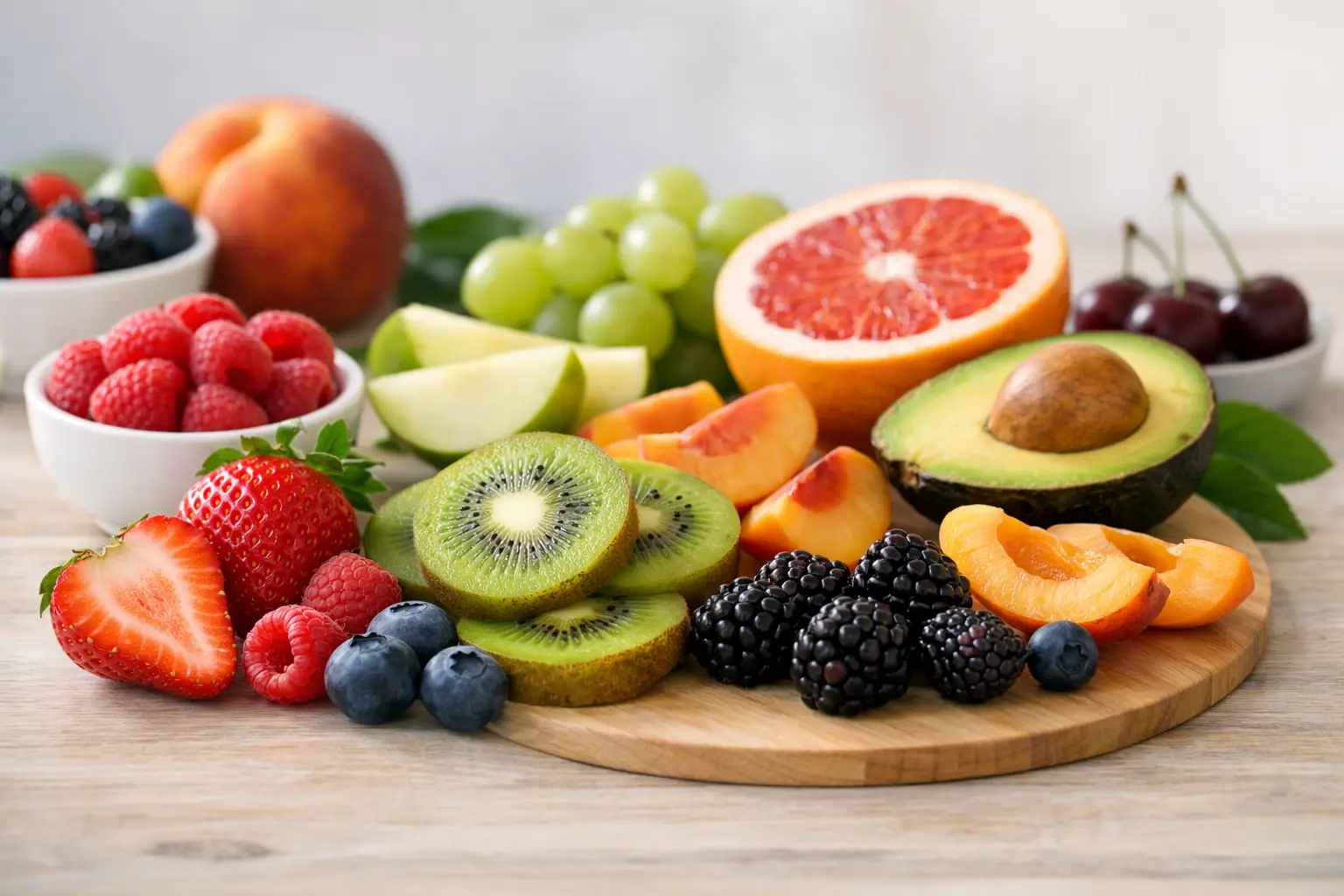
If you are trying to cut back on sugar, fruit can feel confusing fast. It is nutritious, filling, and linked with better long-term health, but some choices are naturally much higher in sugar than others. Knowing the best low sugar fruits can help you enjoy fruit more confidently without feeling like you have to avoid it altogether.
That matters for people managing calories, watching blood sugar, or simply trying to build more balanced meals. Fruit is not just about sugar. It also brings fiber, water, vitamins, minerals, and plant compounds that support overall health. The goal is not to fear fruit, but to choose the options that best fit your needs.
What makes a fruit low in sugar?
There is no single official cutoff, but in everyday nutrition advice, low sugar fruits are usually the ones with fewer grams of natural sugar per serving than sweeter options like bananas, grapes, mangos, or cherries.
Water and fiber make a big difference. Fruits with high water content, such as watermelon and strawberries, often taste sweet without delivering as much sugar per cup. Fiber also slows digestion, which can help support steadier blood sugar responses compared with foods that contain added sugar and little fiber.
Portion size matters too. A fruit may be relatively low in sugar per 100 grams but easy to overeat in large amounts. That is one reason dried fruit often feels healthy but can add up quickly. Once the water is removed, the sugar becomes much more concentrated.
12 best low sugar fruits
The best low sugar fruits are not always the least sweet tasting. Some simply have more water, more fiber, or smaller typical serving sizes. Here are some of the strongest everyday picks.
1. Strawberries
Strawberries are one of the easiest low sugar fruits to work into a healthy eating plan. A cup contains relatively little sugar compared with many common fruits, and it also provides vitamin C, fiber, and plenty of volume for the calories.
They work well as a snack, in yogurt, or sliced over oatmeal. If you want a fruit that feels satisfying without being overly sweet, strawberries are hard to beat.
2. Raspberries
Raspberries stand out because they are low in sugar and high in fiber. That combination can help with fullness and may be especially useful if you are trying to manage appetite or avoid energy crashes.
Their tartness is another advantage. Because they are not intensely sweet, they tend to pair well with higher-protein foods like cottage cheese or Greek yogurt.
3. Blackberries
Blackberries have a similar profile to raspberries, with modest sugar and a good amount of fiber. They are also rich in antioxidants, which adds to their overall nutrition value.
For many people, berries are the best place to start when looking for fruit that fits weight loss or blood sugar goals. They offer a lot of nutrition without the sugar load of some tropical fruits.
4. Watermelon
Watermelon often gets a mixed reputation because it tastes very sweet. In reality, its high water content means the sugar per cup is fairly moderate.
There is a catch, though. Watermelon is easy to eat in large amounts, especially in summer. If portion control is hard for you, that is worth keeping in mind. It can still be a smart choice, but servings can creep up quickly.
5. Cantaloupe
Cantaloupe is another melon that can fit well into a lower-sugar eating pattern. It offers hydration, vitamin A, and vitamin C, while staying lower in sugar than many denser fruits.
It also tends to be easier to portion than watermelon, especially when you buy pre-cut cubes or slice a melon into planned servings at home.
6. Peaches
A fresh peach can be a good middle-ground option. It is not as low in sugar as berries, but it is generally lower than fruits like grapes or mango. It also brings fiber and a satisfying texture.
Fresh matters here. Peaches packed in syrup are a very different food nutritionally. If you choose canned peaches, look for those packed in water or juice rather than heavy syrup.
7. Papaya
Papaya is often overlooked, but it is a useful choice if you want something tropical without the higher sugar content of pineapple or mango. It contains vitamin C and vitamin A, and its soft texture makes it easy to add to breakfast or smoothies.
This is a good example of why the best low sugar fruits do not all come from the berry family. There is room for variety.
8. Apricots
Fresh apricots are relatively low in sugar and naturally portion-friendly because they are small. They can be a nice snack when you want something sweet but do not want a large serving.
Dried apricots are a different story. Like other dried fruits, they contain much less water, so the sugar is more concentrated. Fresh is the better choice if low sugar is the goal.
9. Kiwi
Kiwi offers a lot of nutrition in a small package, including vitamin C and fiber. Its sugar content is moderate to low depending on the serving size, and one or two kiwis can feel more satisfying than their size suggests.
They are also useful when you want a portable fruit that is not as sugary as a banana.
10. Plums
Plums are another fruit that can work well in a lower-sugar diet. They provide natural sweetness, but usually not in excessive amounts per fruit.
Their size helps with portion control, and they can be a practical dessert swap if you are trying to cut down on sweets after dinner.
11. Cranberries
Fresh cranberries are very low in sugar, but there is an important trade-off: they are extremely tart. Most cranberry products on store shelves, including juice cocktails and sweetened dried cranberries, contain a lot of added sugar.
If you use fresh cranberries at home, they can be a smart low sugar option. Just do not assume all cranberry foods are low in sugar by default.
12. Avocado
Avocado is technically a fruit, and it is one of the lowest-sugar fruits you can eat. It is also very different from the other options on this list because it is higher in fat and calories.
That is not a bad thing. In fact, avocado can be very filling and nutrient-dense. But if your goal is specifically to find sweet fruit alternatives, it may not scratch the same itch.
Are low sugar fruits better for weight loss or blood sugar?
Sometimes, but not automatically. Lower sugar fruit can be helpful if you are trying to reduce total sugar intake, manage diabetes or prediabetes, or keep snacks more balanced. Still, the full picture matters more than sugar alone.
Fiber, calorie density, total portion, and what you eat with the fruit all play a role. For example, a modest serving of banana with peanut butter may work better for your hunger and energy than a bowl of watermelon on its own. Likewise, someone with diabetes may tolerate one fruit well and another less well, even if both are considered healthy.
This is why nutrition advice often comes back to patterns instead of single foods. Fruit is generally associated with good health outcomes, especially when it replaces ultra-processed snacks or desserts.
How to choose the best low sugar fruits for your goals
If your main goal is blood sugar management, berries are usually a strong place to start because they combine lower sugar with higher fiber. Pairing fruit with protein or fat can also help make a snack more balanced.
If your goal is weight loss, look for fruits that give you a lot of volume for fewer calories, such as strawberries, blackberries, cantaloupe, or watermelon. These can help you feel like you are eating a satisfying amount.
If convenience matters most, kiwi, plums, peaches, and apricots are simple grab-and-go choices. And if you want variety without a big sugar hit, papaya and melon can keep things interesting.
A few fruit choices to watch more carefully
This does not mean you need to avoid higher-sugar fruits. Bananas, grapes, mangos, cherries, and pineapple can absolutely fit into a healthy diet. They just tend to deliver more sugar per serving, so they may require a bit more awareness if that is something you are tracking.
Juice is another category worth watching. Even 100 percent fruit juice contains natural sugar, but without the same fiber and fullness you get from whole fruit. It is usually much easier to drink a large amount of sugar than to eat the equivalent amount of whole fruit.
At The Healthy Apron, we look at fruit through a practical lens: the best choice is often the one you enjoy, can portion reasonably, and can keep eating as part of a balanced routine.
Low sugar fruit does not need to be a nutrition loophole or a rigid rule. It is simply one useful way to make fruit choices match your health goals a little more closely. If you start with berries, melons, kiwi, and a few fresh seasonal options, you will have plenty of room to eat well without overcomplicating it.
Leave Feedback: Was this article helpful?