
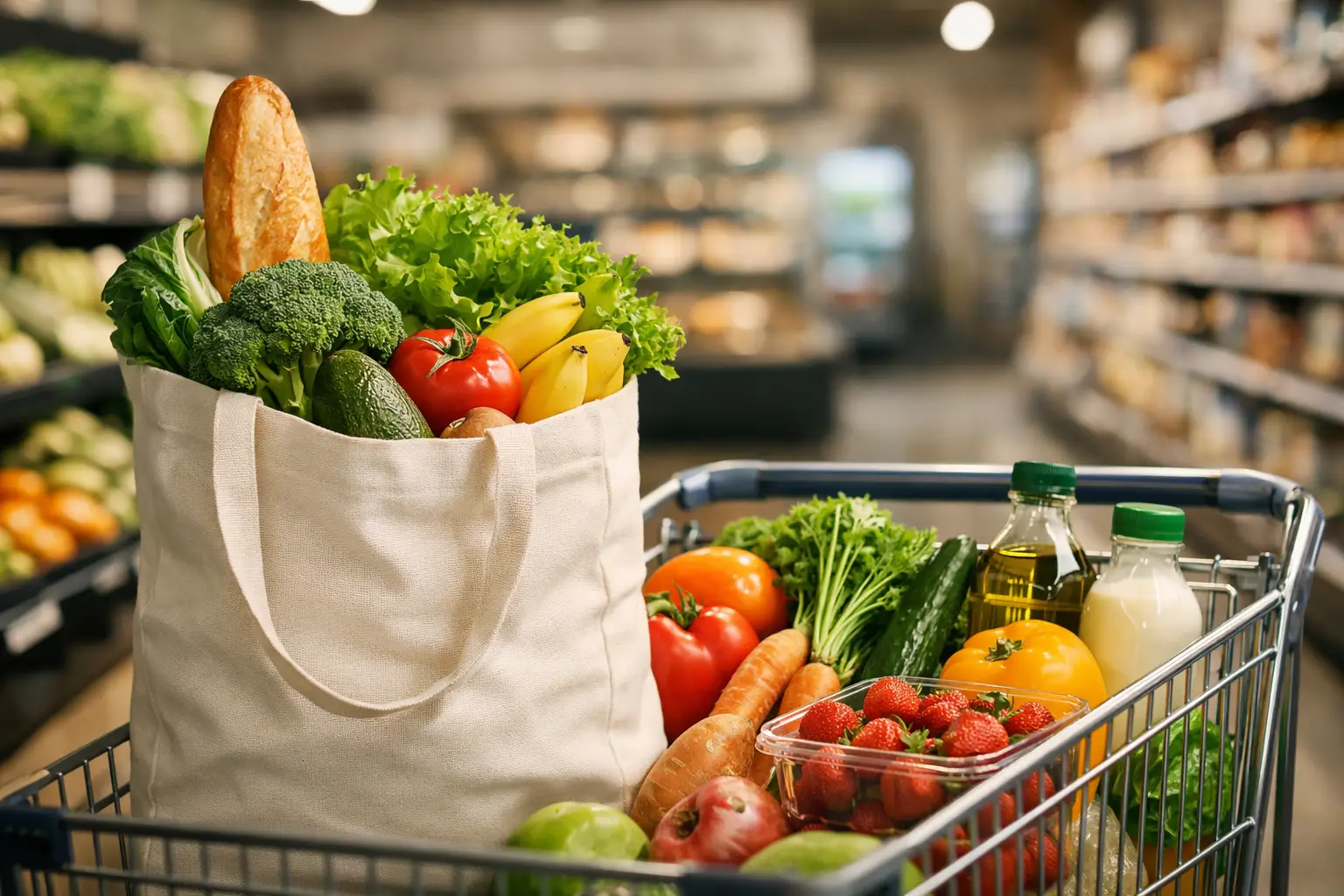
A cart fills up fast when you shop hungry, rushed, or without a plan. That is why a healthy grocery shopping guide is less about perfection and more about making a few reliable decisions before you ever reach the checkout line. The goal is not to buy only “clean” foods or avoid every packaged item. It is to create a realistic routine that helps you bring home foods that support energy, fullness, and overall health.
For most people, healthy grocery shopping starts with a simple truth: what you keep in your kitchen strongly shapes what you eat. Research on food environments consistently shows that availability matters. If your fridge and pantry make balanced meals easy, healthy choices usually require less willpower. If every option feels random, expensive, or confusing, good intentions tend to fade by Wednesday.
What a healthy grocery shopping guide should actually help you do
A useful guide should make shopping clearer, not stricter. You do not need a perfect meal plan, a specialty store membership, or a cart full of trendy products. You need a repeatable system for choosing foods that fit your health goals, budget, and schedule.
That system starts with balance. A healthy cart usually includes produce, protein, fiber-rich carbohydrates, and a few fats that add flavor and satisfaction. It also leaves room for convenience. Pre-washed greens, frozen vegetables, canned beans, rotisserie chicken, and plain yogurt can all support healthy eating if they help you cook or assemble meals more consistently.
This is where many people get stuck. They assume healthy shopping means buying ingredients for ambitious recipes they will not have time to make. In practice, the best grocery plan is one you can use on a busy Tuesday night.
Start before you leave the house
The smartest grocery choice often happens in your kitchen, not at the store. Spend five minutes checking what you already have. Look for foods that need to be used soon, especially produce, dairy, leftovers, and opened pantry items. This reduces waste and helps you build meals around what is already available.
Next, think in terms of a few anchor meals rather than a full week of detailed recipes. For example, you might plan oatmeal or eggs for breakfast, grain bowls or sandwiches for lunch, and two or three easy dinners like chili, sheet pan chicken, or tacos. When meals share ingredients, shopping gets simpler and cheaper.
A short list also matters. People are more likely to make impulse purchases when they shop without a plan. Your list does not need to be complicated. It just needs categories that reflect balanced eating: vegetables, fruit, protein, whole grains or other high-fiber carbs, dairy or alternatives, and a few staples.
If you can, avoid shopping very hungry. Hunger does not make someone irresponsible, but it can make highly processed snack foods and sweets more tempting. A small snack before leaving, such as fruit with peanut butter or yogurt, can help you shop more deliberately.
Shop the store with a flexible strategy
You have probably heard advice to “shop the perimeter.” There is some logic there because fresh produce, dairy, meat, and seafood are often on the edges of the store. But the idea is incomplete. Many nutritious foods live in the middle aisles too, including beans, oats, brown rice, canned tomatoes, nuts, seeds, tuna, and frozen foods.
A better strategy is to shop by food type, not by fear of certain aisles. Start with produce if that helps you picture meals. Choose a mix of options with different shelf lives. For example, spinach and berries are great for the first part of the week, while carrots, cabbage, apples, and oranges tend to last longer.
Then add protein. This could include chicken, fish, eggs, tofu, Greek yogurt, cottage cheese, beans, lentils, or lean ground turkey. Protein supports fullness and helps make meals more satisfying. The best choice depends on your preferences, budget, and cooking habits. Fresh fish may be nutritious, but canned salmon or frozen shrimp may be more practical.
Carbohydrates deserve a place in a healthy cart too. Whole grains, potatoes, sweet potatoes, beans, fruit, and higher-fiber breads can all fit. Carbs are not the problem many headlines make them out to be. The more useful question is what kind you are buying and what they come with. Fiber, vitamins, and slower digestion often make minimally processed options more filling and useful for steady energy.
How to read labels without overthinking them
A healthy grocery shopping guide should include labels because packaging can be misleading. Terms like “natural,” “multigrain,” “made with whole grains,” or “immune support” may sound impressive but do not tell the full story. The Nutrition Facts panel and ingredient list are more reliable.
Start with serving size so you understand what the numbers actually represent. Then look at a few key details: fiber, protein, sodium, added sugars, and saturated fat. Which matters most depends on the food. For cereal or bread, fiber is especially useful to check. For soup or frozen meals, sodium may be more important. For yogurt, added sugar can vary a lot between brands.
Ingredients also help. A shorter ingredient list is not automatically healthier, but the list can tell you what the product is mostly made of. For bread, look for whole grain or whole wheat as one of the first ingredients if you want a higher-fiber option. For peanut butter, you may prefer one with peanuts and salt rather than a long list of added oils and sugars. Context matters, though. A jar of pasta sauce with a few added ingredients can still be a smart dinner shortcut.
Budget-friendly choices still count as healthy choices
Healthy eating is often framed as expensive, but that is not always true. Some nutritious foods are pricey, especially specialty snacks, protein bars, and branded wellness products. Basic staples are usually a better value.
Frozen fruits and vegetables are one of the best examples. They are typically picked and frozen quickly, can be just as nutritious as fresh in many cases, and help reduce waste. Canned beans, tomatoes, and tuna can stretch meals without adding much cost. Store brands are often very similar to name brands nutritionally.
It also helps to focus on meals rather than individual “superfoods.” You do not need goji berries, collagen waters, or grain-free crackers to eat well. A dinner of brown rice, black beans, salsa, avocado, and roasted vegetables is simple, affordable, and nutrient-dense. So is scrambled eggs with whole grain toast and fruit.
Buying in bulk can help, but only if you will use the food. Large bags of nuts or family packs of chicken save money only when they do not spoil first. If your schedule changes a lot, smaller amounts may actually be the smarter buy.
The healthiest cart is not the strictest one
One reason grocery habits fail is that they become too rigid. If you ban every food you enjoy, your cart may look ideal for one week and unrealistic after that. Long-term healthy eating usually works better when there is flexibility.
That means it is reasonable to buy foods for both nutrition and enjoyment. Maybe that is dark chocolate, tortilla chips for taco night, or a favorite ice cream. Including these foods intentionally can make your overall routine easier to maintain. Health is shaped by patterns, not one snack.
It also means convenience foods are not automatically bad choices. Pre-cut vegetables, bagged salads, frozen rice, canned soup, or a healthy frozen entree can be useful tools. The best option is often the one that helps you eat a more balanced meal instead of ordering takeout because you are too tired to cook.
A simple cart formula for most trips
If you want an easy mental checklist, build your cart around foods that can create balanced plates across the week. Try to leave the store with several vegetables, two or three fruits, a few protein sources, one or two whole-grain or high-fiber carbohydrate options, and staples that make meals easier, such as olive oil, seasonings, broth, or canned beans.
You do not need to buy every category every single trip. It depends on what is still at home, who you are feeding, and how often you shop. But having a basic pattern reduces decision fatigue. Over time, grocery shopping becomes less about guessing and more about restocking your routine.
If you are shopping for a specific goal such as weight loss, blood sugar management, or lower sodium intake, the same foundation still applies. The details may shift a little, but the basics do not change much. Meals that include protein, fiber, and produce tend to be more satisfying and easier to build around than carts filled mostly with ultra-processed snack foods.
A good trip to the grocery store does not need to look impressive. It just needs to make tomorrow’s meals easier, steadier, and a little better than last week’s. That is enough progress to build on.
Leave Feedback: Was this article helpful?