
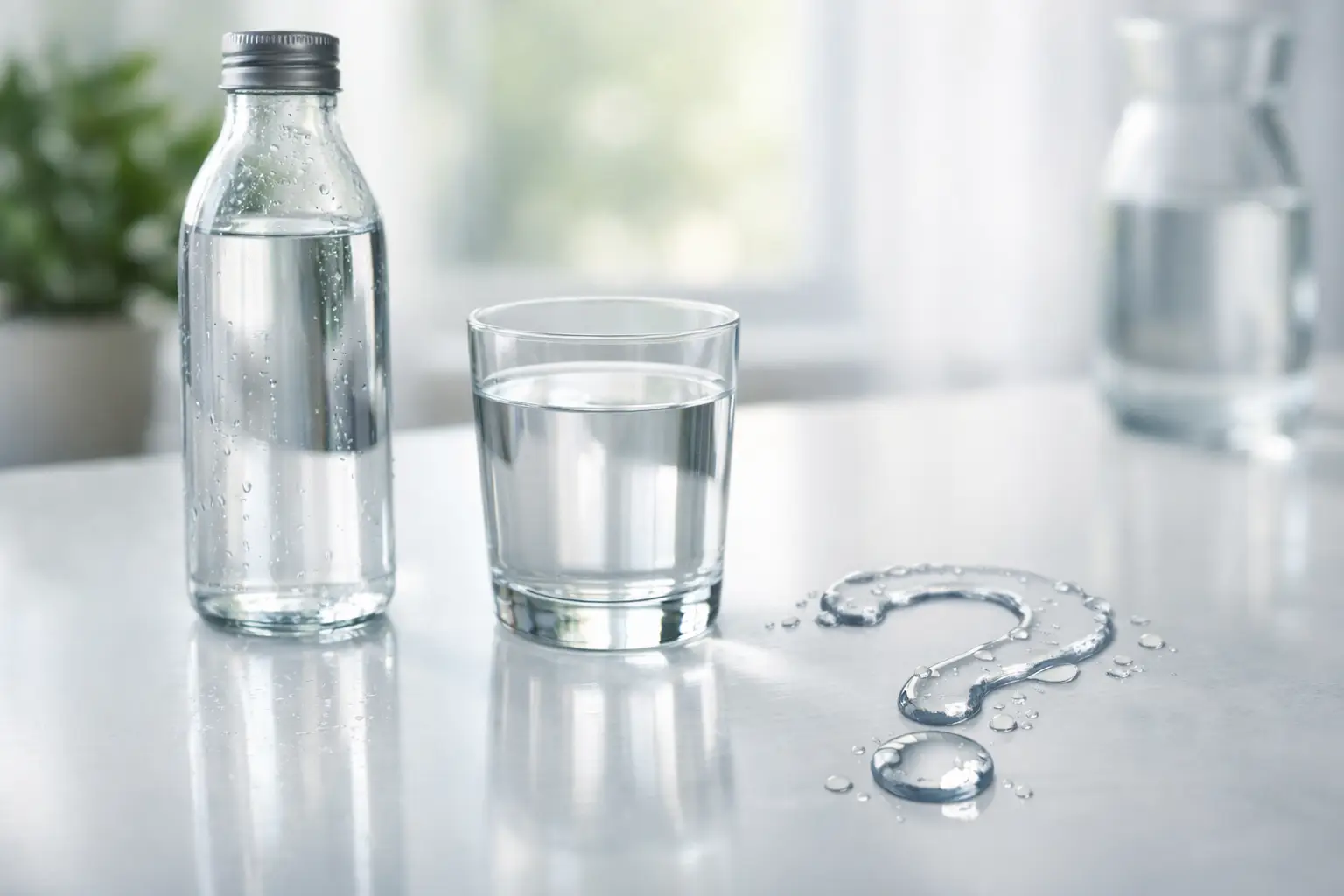
That mid-afternoon headache, the dry mouth after a workout, the sudden urge to chug an entire bottle of water – most people have had moments that make them wonder, how much water should I drink each day? The honest answer is less catchy than the old eight-glasses rule. Your ideal intake depends on your body size, activity level, climate, diet, and overall health.
Hydration advice often gets reduced to one number, but the human body does not work that neatly. Water needs shift from day to day, and for many adults, drinking enough is more about paying attention to patterns than forcing a fixed amount. The good news is that most healthy people can stay well hydrated with a few practical habits and a basic understanding of what affects their fluid needs.
How much water should I drink each day?
A common reference point comes from the National Academies, which suggests total daily fluid intake of about 3.7 liters for men and 2.7 liters for women. That works out to roughly 15.5 cups for men and 11.5 cups for women. But there is an important detail people often miss: this includes fluids from both drinks and food.
Foods with high water content, such as fruit, vegetables, yogurt, soup, and oatmeal, can contribute meaningfully to hydration. For many people, around 20 percent of total fluid intake comes from food, though that can vary a lot based on eating habits. So if you hear a daily target and assume every ounce needs to come from plain water, you may be overestimating what is actually necessary.
The familiar advice to drink eight 8-ounce glasses per day is simple, but it is not a universal medical standard. For some people, 64 ounces may be enough. For others, especially those who exercise intensely, work outside, or live in hot conditions, it may fall short.
A better question than how much water should I drink is often, how much fluid do I need today? That small shift makes room for real life.
What changes your water needs?
Several factors can push your fluid needs up or down. Physical activity is one of the biggest. If you sweat during exercise, yard work, or a physically demanding job, you are losing water faster and need to replace it. The longer and harder the activity, the more important this becomes.
Weather matters too. Hot, humid conditions increase sweat loss, and even dry climates can leave you more dehydrated than you expect. High altitude can also increase fluid needs for some people.
Your diet plays a role. If you eat a lot of salty foods, your body may require more water to maintain fluid balance. Higher protein and higher fiber diets can also increase water needs slightly, especially if you are not used to them.
Illness changes the picture as well. Fever, vomiting, and diarrhea can quickly lead to dehydration. Pregnancy and breastfeeding also raise fluid needs. On the other hand, certain medical conditions, including kidney, heart, or liver problems, may require fluid restriction rather than extra water. That is one reason broad hydration advice has limits.
Signs you may not be drinking enough
Thirst is an obvious clue, but it is not the only one. Mild dehydration can show up as darker yellow urine, dry mouth, fatigue, dizziness, headache, or trouble concentrating. If your urine is consistently deep amber and you are not taking vitamins that change its color, you may need more fluids.
Urine color is a useful rough guide, but not a perfect test. Pale yellow usually suggests decent hydration. Crystal-clear urine all day can sometimes mean you are drinking more than you need, especially if you are forcing fluids.
Older adults may not feel thirst as strongly as younger people, which can make dehydration easier to miss. Children can also become dehydrated more quickly. In both groups, paying attention to bathroom habits, energy level, and other symptoms matters.
Can you drink too much water?
Yes, although it is much less common than mild dehydration. Drinking excessive amounts of water in a short period can dilute sodium levels in the blood, leading to a condition called hyponatremia. This is most likely to happen during endurance events, intense exercise, or water-drinking challenges, especially when people replace sweat losses with only plain water for hours.
For the average healthy person, overhydration is not usually a day-to-day problem. Still, more is not always better. If you are constantly forcing yourself to drink when you are not thirsty, waking repeatedly overnight to urinate, or aiming for a huge daily target with no clear reason, it may be worth rethinking your approach.
Hydration should support your body, not turn into another wellness rule that causes stress.
How to tell if you are drinking the right amount
For most healthy adults, a simple combination works well: drink when you are thirsty, drink a bit more when you are active or sweating, and check that your urine is usually light yellow. This approach is not flashy, but it is practical and backed by how the body regulates fluid balance.
It also helps to spread fluids across the day instead of trying to catch up all at once. Drinking some water with meals, carrying a bottle when you are out, and having fluids after exercise can make hydration feel automatic rather than forced.
If you rarely feel thirsty, get busy and forget to drink, or take medications that affect fluid balance, a more intentional routine may help. That might mean drinking a glass of water in the morning, with lunch, in the afternoon, and with dinner. The exact pattern matters less than consistency.
Does coffee, tea, or sparkling water count?
Yes. Most beverages contribute to hydration. Coffee and tea still provide fluid, even though caffeine can have a mild diuretic effect in some people. For regular caffeine users, that effect is usually not strong enough to cancel out the fluid they contain.
Milk, sparkling water, herbal tea, and even moderate amounts of juice all count toward daily fluid intake. Plain water is still a great default because it is calorie-free and easy on the body, but it is not your only option.
That said, sugary drinks can add a lot of calories without much nutrition, so they are not the best main strategy for hydration. Sports drinks can be useful during prolonged, intense exercise or heavy sweating, but most casual workouts do not require them.
When you may need more water than usual
Some situations call for extra attention. If you exercise for more than an hour, spend time outdoors in summer heat, travel by plane, or recover from an illness that causes fluid loss, your usual routine may not be enough.
A practical way to think about exercise hydration is to drink before you start, sip during longer or sweat-heavy sessions, and replace fluids afterward. If you finish a workout feeling lightheaded, unusually tired, or very thirsty, you may not have taken in enough.
People trying to lose weight also sometimes ask whether drinking more water helps. Water can support weight management in a few indirect ways. It may help with fullness before meals, reduce confusion between thirst and hunger, and replace higher-calorie drinks. But it is not a shortcut, and drinking excessive water will not speed fat loss.
When to talk to a doctor
Most hydration questions can be handled with general guidance, but some situations deserve medical advice. If you have kidney disease, heart failure, liver disease, recurrent kidney stones, or take medications such as diuretics, your ideal fluid intake may be different from standard recommendations.
You should also seek care if you have signs of significant dehydration, such as confusion, fainting, rapid heartbeat, very low urine output, or ongoing vomiting and diarrhea. These symptoms go beyond everyday thirst.
At The Healthy Apron, we favor simple health advice that respects the fact that bodies differ. Hydration is a good example. The best target is not the most extreme one. It is the amount that helps you feel well, supports your routine, and adjusts when your circumstances change.
If you have been wondering how much water should I drink, start with this: drink regularly, pay attention to thirst and urine color, and give yourself more flexibility than internet hydration rules usually allow. A steady, sensible approach is often all your body needs.
Leave Feedback: Was this article helpful?