
If your idea of healthy eating usually falls apart by Wednesday, a mediterranean diet beginner guide can be a smarter place to start than another strict meal plan. The Mediterranean diet is less about perfect rules and more about a pattern of eating that is realistic, flexible, and well studied. That matters because the best diet for most people is the one they can actually keep doing.
What makes this approach stand out is the research behind it. The Mediterranean diet has been linked with better heart health, improved blood sugar control, and a lower risk of several chronic diseases. It is also easier to live with than many trendy diets because it does not cut out entire food groups or rely on expensive specialty products.
What the Mediterranean diet actually is
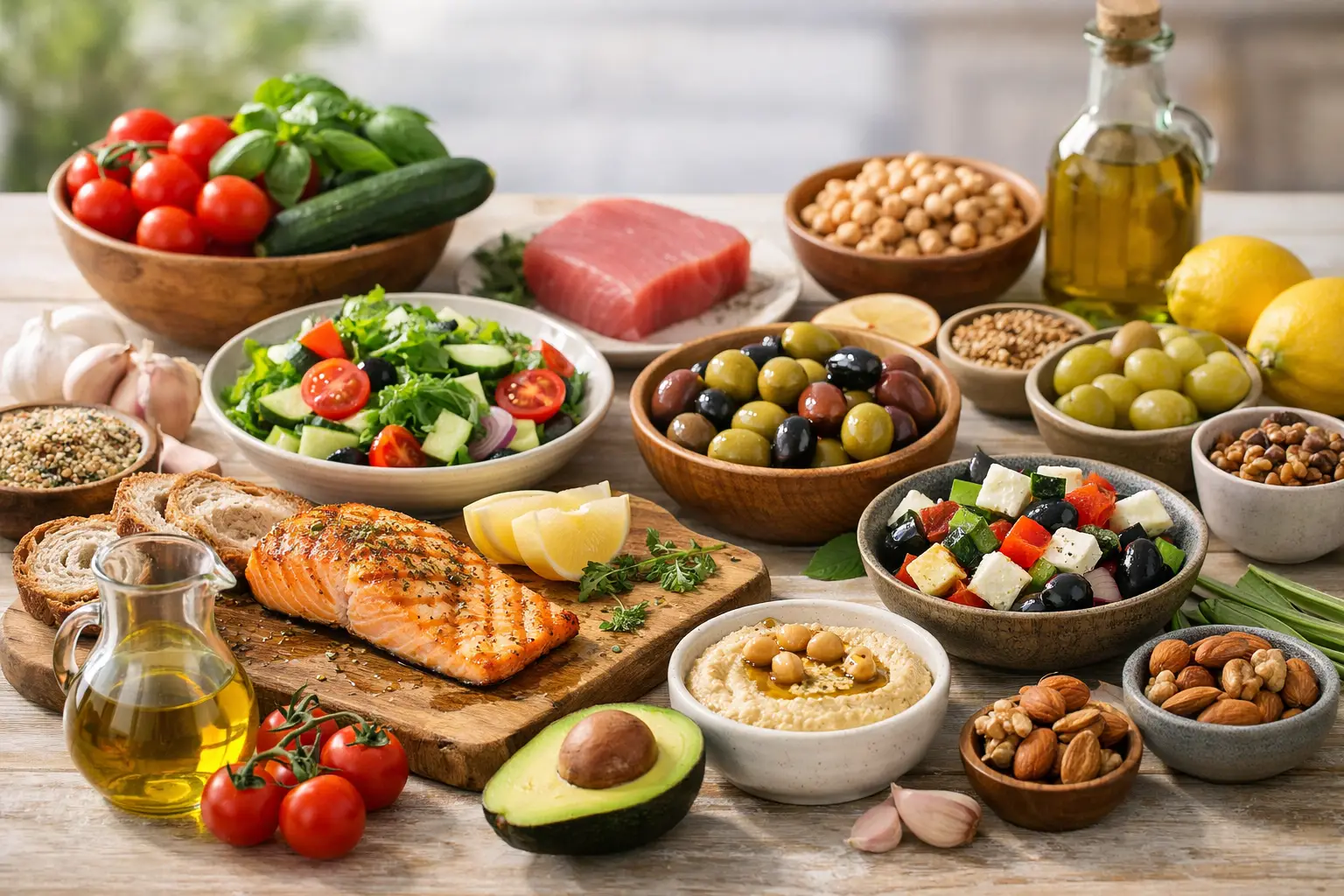
The Mediterranean diet is based on traditional eating patterns seen in countries along the Mediterranean Sea. It emphasizes vegetables, fruits, beans, lentils, whole grains, nuts, seeds, olive oil, and regular seafood. It also includes moderate amounts of dairy, eggs, and poultry, while red meat, heavily processed foods, and sugary foods are eaten less often.
That does not mean everyone in the Mediterranean eats the exact same way. There is no single official menu. The common thread is a food pattern built around minimally processed foods, plant-forward meals, and healthy fats, especially olive oil.
Just as important, the diet is often paired with lifestyle habits that support health, including regular movement, home cooking, and sharing meals with other people. You do not need to copy every cultural detail for the diet to be helpful, but it is worth remembering that food quality and daily habits work together.
Mediterranean diet beginner guide: what to put on your plate
For beginners, it helps to think in proportions instead of strict numbers. Most meals should center on plant foods. Fill a large part of your plate with vegetables, add a source of fiber-rich carbs like beans or whole grains, include a healthy fat such as olive oil or avocado, and choose protein from fish, legumes, yogurt, eggs, or chicken depending on the meal.
A simple lunch might be a grain bowl with farro, chickpeas, cucumber, tomatoes, greens, feta, and olive oil. Dinner could be salmon, roasted vegetables, and a side of brown rice. Breakfast might be plain Greek yogurt with berries, walnuts, and oats. These are not fancy wellness meals. They are regular foods arranged in a way that supports satiety and nutrient intake.
Foods that fit well in this pattern include leafy greens, tomatoes, broccoli, peppers, berries, citrus fruit, beans, lentils, oats, quinoa, brown rice, olive oil, nuts, seeds, fish, plain yogurt, and herbs and spices. Foods that are less central include deli meats, fast food, packaged snack foods, sugary drinks, pastries, and frequent large portions of red meat.
None of this means you can never eat dessert or order pizza again. It means those foods stop being the foundation of your routine.
Why beginners often do better with this approach
Many diets fail because they create too much friction. The Mediterranean diet lowers that friction. You can use ingredients from a normal grocery store, eat at restaurants without a long list of restrictions, and adapt the plan to different budgets and cultures.
It also supports fullness in a practical way. Meals built around fiber, protein, and healthy fats tend to be more satisfying than meals based mostly on refined carbs. That can make it easier to manage hunger and, for some people, support gradual weight loss without obsessing over every calorie.
There are trade-offs, though. If you are used to ultra-processed convenience foods, the Mediterranean diet usually asks for more meal prep. And if you go overboard with calorie-dense foods like olive oil, nuts, cheese, or restaurant portions, it is still possible to eat more than your body needs. Healthy food is still food.
How to start without overhauling your life
The most effective way to begin is usually not a full pantry purge. Start with two or three changes you can repeat every week. Swap butter or creamy dressings for olive oil-based options. Add vegetables to lunch and dinner. Replace one red meat meal a week with beans or fish. Choose fruit, yogurt, or nuts more often than chips or sweets for snacks.
This slower approach sounds less exciting than a total reset, but it tends to stick better. Habits built from repetition are more reliable than habits built from motivation.
If you want a simple framework, use this for most meals: vegetables or fruit, a whole grain or bean, a protein source, and a healthy fat. When that pattern becomes familiar, the diet starts to feel automatic instead of like a project.
A practical grocery strategy
A good mediterranean diet beginner guide should work in a real supermarket on a busy weeknight. Focus on versatile basics you can mix and match. In produce, think greens, broccoli, carrots, onions, tomatoes, cucumbers, berries, apples, and citrus. In the pantry, keep beans, lentils, oats, brown rice, quinoa, whole grain pasta, canned tuna or salmon, nuts, seeds, and olive oil. In the fridge, plain Greek yogurt, eggs, hummus, and a block of cheese can go a long way.
Frozen produce is also useful, not a backup plan. Frozen vegetables and fruit can be just as nutritious as fresh and often cost less. They also reduce waste, which matters if you are trying to build a new eating pattern without throwing food away.
Prepared foods can fit too, if you choose them carefully. Prewashed greens, canned beans, rotisserie chicken, and frozen fish are all practical shortcuts. The goal is not to cook everything from scratch. The goal is to make healthier meals easier to repeat.
What a day of eating can look like
A realistic day might start with oatmeal topped with blueberries, chia seeds, and a spoonful of almond butter. Lunch could be a turkey and veggie wrap on a whole grain tortilla with a side salad and olive oil vinaigrette. Dinner might be baked cod, roasted sweet potatoes, and green beans. If you need snacks, an apple with walnuts or plain yogurt with cinnamon would fit the pattern.
You do not have to make every meal textbook perfect. If breakfast is quick and simple, focus more effort on dinner. If your weekdays are hectic, build a few go-to meals and rotate them. Consistency matters more than variety during the early stage.
Common mistakes that make it harder
One common mistake is turning the Mediterranean diet into an excuse to eat unlimited pasta, bread, cheese, and wine. Those foods can fit, but they are not the core of the diet. The foundation is still vegetables, legumes, whole grains, seafood, and olive oil.
Another mistake is changing too much at once. Buying a cart full of unfamiliar foods can backfire if you do not know how to use them. Start with meals you already like and make them more Mediterranean. Add beans to chili, switch to whole grain bread, roast vegetables in olive oil, or serve fish once a week.
A third issue is expecting immediate dramatic results. Some people notice better energy or digestion fairly quickly, but health changes usually come from sustained habits. This eating pattern tends to reward patience.
Does it help with weight loss?
It can, but it depends on the person and the overall eating pattern. The Mediterranean diet is not a guaranteed weight-loss diet in the short term. If you eat large portions of energy-dense foods, weight loss may stall. But many people find that the emphasis on whole foods, fiber, and satisfying meals makes it easier to reduce overeating over time.
That is one reason health professionals often recommend it. Even when weight loss is not dramatic, improvements in cholesterol, blood pressure, and blood sugar may still make the diet worthwhile.
If you have a medical condition such as diabetes, kidney disease, or digestive issues, personal adjustments may be needed. A registered dietitian can help tailor the pattern to your health needs, medications, and calorie goals.
Making the Mediterranean diet sustainable
The easiest version of the Mediterranean diet is the one that matches your real life. If you hate sardines, do not force yourself to eat sardines. If your family loves tacos, make bean and veggie tacos with avocado and salsa. If your budget is tight, use canned beans, oats, frozen vegetables, and canned fish. The pattern matters more than perfection.
At The Healthy Apron, we believe reliable health advice should feel usable, not theoretical. That is especially true here. The Mediterranean diet has strong research behind it, but its biggest strength may be that it feels like normal eating. More vegetables, better fats, smarter protein choices, and fewer ultra-processed foods is not a flashy message. It is just a durable one.
If you are starting this week, keep it simple: build one balanced breakfast, one balanced lunch, and two easy dinners you can repeat. Healthier eating does not need a dramatic beginning to lead somewhere good.
Leave Feedback: Was this article helpful?