
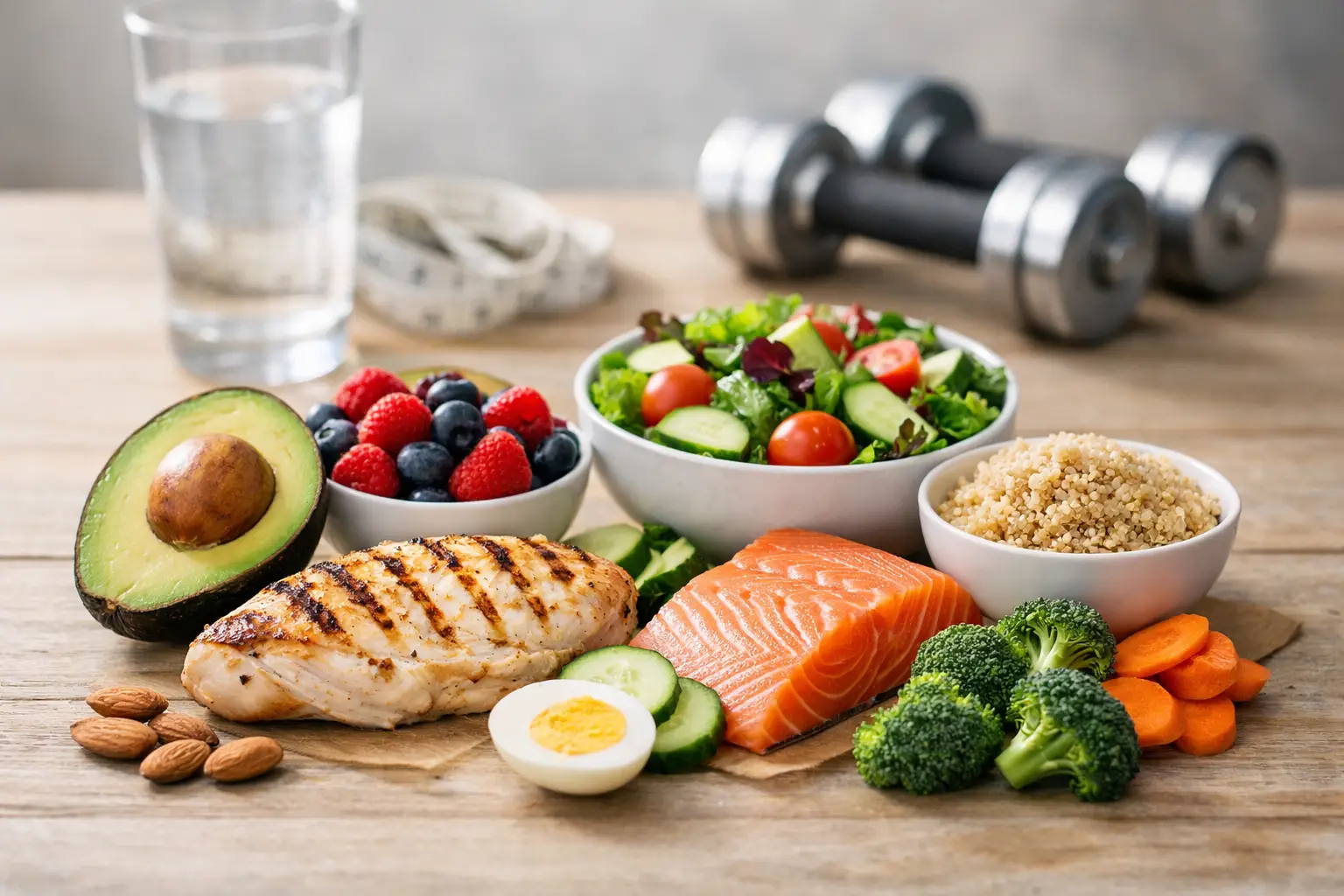
If your meals leave you hungry an hour later, weight loss starts to feel like a willpower problem. Most of the time, it is not. Choosing the best foods for weight loss can make the process more manageable because some foods naturally help you stay full longer, keep calories in check, and make it easier to stick with healthy habits.
That does not mean there is one magic fat-burning food. Weight loss still depends on your overall eating pattern, activity level, sleep, stress, and health needs. But certain foods consistently stand out because they are high in protein, rich in fiber, lower in calorie density, or especially satisfying for the amount of calories they provide.
What makes the best foods for weight loss?
The best weight loss foods usually do one or more things well. They help control hunger, support muscle maintenance, and make meals feel substantial without packing in excess calories. In practice, that often means foods with protein, fiber, water, or a combination of all three.
Protein matters because it tends to be more filling than refined carbs or added fats, and it helps preserve lean muscle during weight loss. Fiber slows digestion and adds volume to meals, which can help you feel satisfied on fewer calories. Foods with high water content, like vegetables, fruit, and broth-based soups, also take up more space in the stomach and can help curb overeating.
There is one catch: a food can be healthy and still not fit your goals if portion sizes regularly get away from you. Nuts, avocado, olive oil, and nut butter are nutritious examples. They can absolutely work in a weight loss diet, but they are easy to overeat if you are not paying attention.
12 best foods for weight loss
1. Eggs
Eggs are one of the most practical weight loss foods because they combine high-quality protein with convenience. A breakfast built around eggs may help some people feel fuller than a breakfast centered on refined grains alone.
They are also versatile. You can pair eggs with vegetables, whole grain toast, or fruit to create a balanced meal that is satisfying without being heavy.
2. Greek yogurt
Plain Greek yogurt is rich in protein and can work well as breakfast, a snack, or part of a higher-protein dessert. Compared with many flavored yogurts, plain versions are usually lower in added sugar, which makes it easier to control calories.
If you want more staying power, add berries, chia seeds, or a small amount of nuts. Full-fat and low-fat versions can both fit. The better choice often depends on what helps you feel satisfied and what fits your daily calorie needs.
3. Lean chicken and turkey
Skinless chicken breast and turkey are staples for a reason. They provide a lot of protein for relatively few calories, which can make lunch and dinner more filling.
That said, lean protein is not limited to dry grilled chicken. Ground turkey, shredded chicken in soups, or roasted thighs with the skin removed can all fit. The bigger factor is often how the meal is prepared and what it is served with.
4. Fish
Fish, especially salmon, tuna, cod, and sardines, can be an excellent choice for weight loss. Protein helps with fullness, and fatty fish like salmon also provide omega-3 fats, which support overall health.
Lean white fish is lower in calories, while salmon is richer and more calorie-dense but often very satisfying. If you tend to snack after dinner, a more satisfying meal with salmon and vegetables may help more than a lighter meal that leaves you searching the kitchen later.
5. Potatoes
Potatoes are often misunderstood. Fried potatoes and heavily loaded potato dishes can push calories up quickly, but plain baked or boiled potatoes are surprisingly filling.
They are rich in water and provide carbs that can help with energy and workout performance. For many people, a moderate portion of potatoes is far more satisfying than a small serving of chips or crackers, which are easy to overeat.
6. Oats
Oats are a smart option when you want a filling, affordable breakfast. Their fiber, especially beta-glucan, can support fullness and help steady energy.
The benefit depends on what goes into the bowl. Oatmeal with fruit and Greek yogurt is very different from a sugary instant packet topped with syrup. Oats work best when they are part of a balanced meal rather than a dessert disguised as breakfast.
7. Beans and lentils
Beans and lentils offer a rare combination of plant protein and fiber, which makes them especially helpful for appetite control. They are also budget-friendly and work in soups, salads, bowls, tacos, and pasta dishes.
If you are not used to eating a lot of legumes, increase slowly to avoid digestive discomfort. Canned options are fine too. Rinsing them can reduce some of the sodium.
8. Leafy greens
Spinach, romaine, kale, arugula, and other leafy greens add volume to meals with very few calories. That makes them useful for building bigger plates that still support a calorie deficit.
Greens alone will not keep you full for long, though. They do their best work when paired with protein, healthy fat, and fiber-rich carbs. A salad with chicken, beans, chopped vegetables, and a sensible amount of dressing is much more satisfying than a plain bowl of lettuce.
9. Cruciferous vegetables
Broccoli, cauliflower, Brussels sprouts, and cabbage are standout vegetables for weight loss because they are high in fiber and low in calorie density. They also have a texture that can make meals feel more substantial.
Roasting, sautéing, or adding them to stir-fries often works better than steaming them into blandness. Flavor matters. If healthy food feels like punishment, it becomes much harder to stay consistent.
10. Berries
Berries are one of the best foods for weight loss if you want something sweet without a large calorie load. They contain fiber and water, which can make them more satisfying than many processed snacks.
Fresh and frozen both work well. Add them to yogurt, oatmeal, or smoothies, or eat them on their own when you want dessert but do not want to derail your day.
11. Cottage cheese
Cottage cheese is high in protein and easy to build into meals or snacks. It can be eaten with fruit, tomatoes, cucumber, or even mixed into scrambled eggs or pasta sauces.
Some people love it, others do not. If the texture is not for you, Greek yogurt offers a similar high-protein advantage. The best plan is the one you will actually repeat.
12. Soup
Broth-based soups can be surprisingly effective for weight loss because they combine water-rich ingredients with vegetables, beans, or lean protein. Starting a meal with soup may help some people eat fewer calories overall.
Creamy soups are not off-limits, but they are usually less volume-friendly. A vegetable, chicken, or lentil soup tends to give you more fullness per calorie.
How to build meals with the best foods for weight loss
The food itself matters, but so does the way you combine it. A helpful rule is to build meals around protein first, then add fiber-rich carbs and plenty of produce. That might look like Greek yogurt with berries and oats, a chicken grain bowl with roasted vegetables, or salmon with potatoes and broccoli.
This approach works better than focusing only on cutting calories. When meals are too small or low in protein, hunger often catches up later. That is when late-night snacking, grazing, or oversized portions become more likely.
It also helps to think about your own patterns. If you are always hungry in the afternoon, a lunch with more protein and fiber may matter more than finding the perfect low-calorie snack. If dinner is where things fall apart, a more filling evening meal may be the better fix.
Foods that can help – and when they might not
Even the best foods for weight loss are not equal for every person. For example, nuts are nutritious and can help with satisfaction, but they are calorie-dense. Avocado is rich in healthy fats, but portions matter. Smoothies can be healthy, but drinking calories is often less filling than chewing them.
That is why labels like good and bad are not very useful. Weight loss usually goes better when you look at patterns instead of chasing perfect foods. A cookie does not ruin progress, and a salad does not guarantee it.
Medical needs matter too. People with diabetes, kidney disease, digestive conditions, or food allergies may need a more tailored approach. If you have a health condition or take medication that affects appetite, blood sugar, or digestion, personalized advice from a doctor or registered dietitian is worth considering.
A smarter way to think about weight loss foods
The best weight loss foods are not the ones with the flashiest claims. They are the foods that help you stay full, meet your nutrition needs, and make it easier to eat in a calorie deficit without feeling miserable.
For most people, that means leaning on simple staples like eggs, yogurt, fish, beans, potatoes, oats, fruit, and plenty of vegetables. Start with a few that you genuinely enjoy, build them into meals you can repeat, and let consistency do the heavy lifting. That is usually where real progress begins.
Leave Feedback: Was this article helpful?