
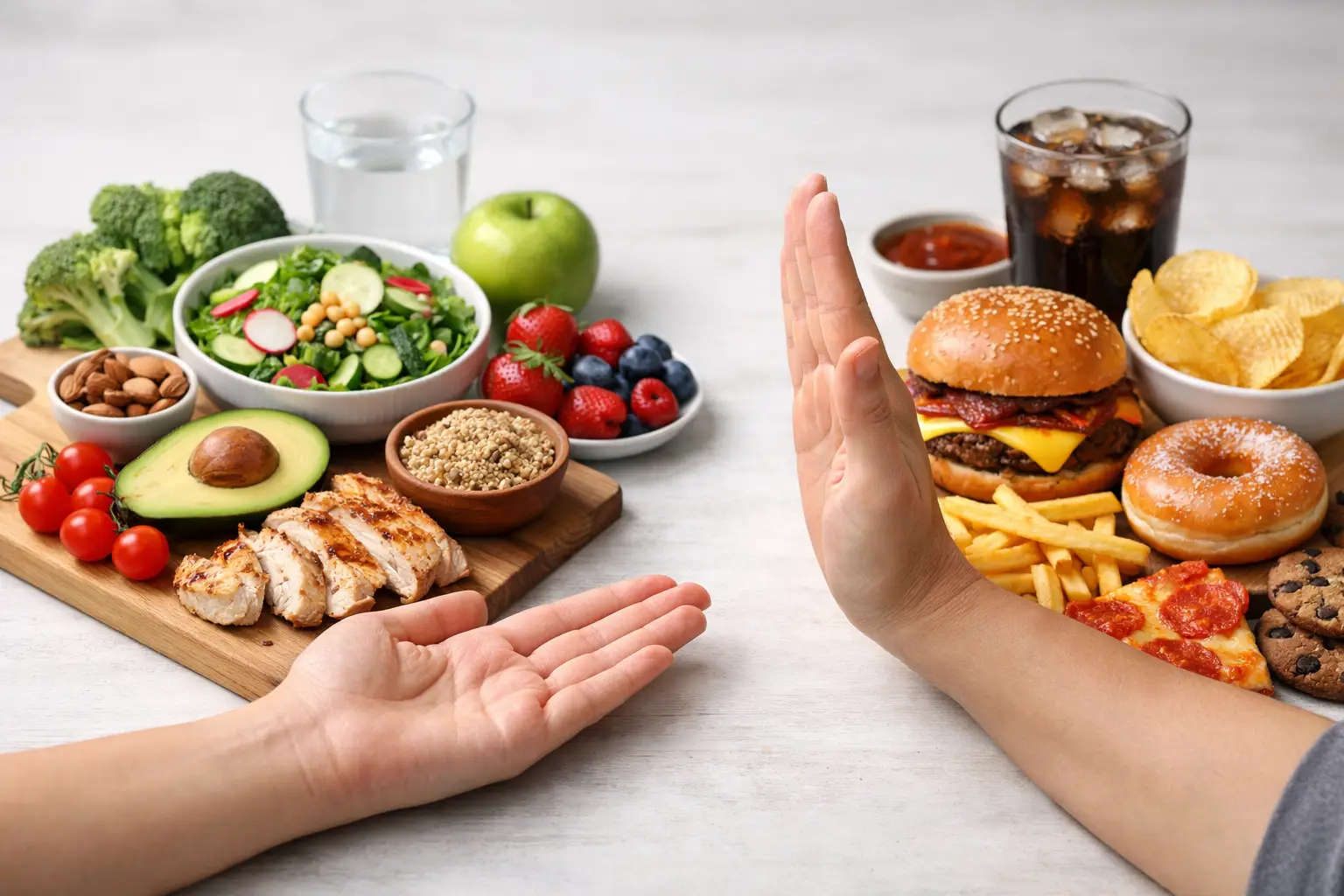
Most people do not struggle with healthy eating because they lack willpower. They struggle because food advice is often confusing, extreme, or hard to apply on a busy Tuesday. The real value in understanding the dos and donts of healthy eating is not perfection. It is knowing which habits matter most, which mistakes are common, and how to build a way of eating you can actually maintain.
Healthy eating is less about single “good” or “bad” foods and more about patterns. Research consistently points to a simple idea: diets that support long-term health tend to include plenty of vegetables, fruits, whole grains, beans, nuts, and other minimally processed foods, while keeping highly processed foods, excess added sugar, and too much sodium in check. That sounds straightforward, but daily life adds complications. Budget, time, culture, appetite, medical needs, and stress all shape what ends up on the plate.
The basic dos and donts of healthy eating
A helpful place to start is with what to do more often. Do build meals around nutrient-dense foods. That usually means including a source of fiber, a source of protein, and some healthy fat so meals feel satisfying rather than restrictive. For many people, a lunch with grilled chicken, brown rice, roasted vegetables, and olive oil will hold them much longer than a low-fat snack bar and coffee.
Do aim for balance instead of chasing dietary rules that cut out entire food groups without a medical reason. Carbohydrates are not automatically unhealthy, and fat is not automatically harmful. Whole-food sources of carbs like oats, beans, fruit, and sweet potatoes provide energy and important nutrients. Healthy fats from foods like avocado, seeds, and nuts support fullness and overall nutrition.
Do pay attention to portion awareness, but do not treat every meal like a math problem. Portion sizes still matter, especially with calorie-dense foods, but overly rigid measuring can make eating feel stressful. For many adults, using visual cues is more realistic. Fill about half the plate with vegetables, add a palm-sized protein source, and include a moderate portion of starch or whole grains based on your hunger and activity level.
On the other side, do not rely heavily on foods marketed as healthy without reading what they really offer. Protein cookies, low-carb wraps, and fat-free flavored yogurts can sound impressive while still being high in sodium, added sugar, or refined ingredients. Packaging can be persuasive. Nutrition quality still comes from the food itself.
Do not expect healthy eating to look the same for everyone. Someone training for a marathon needs a different carb intake than someone with type 2 diabetes trying to improve blood sugar control. A person with kidney disease may need to limit certain minerals that are healthy for the general public. Good nutrition advice should be flexible enough to fit real needs.
What to do more often at meals
One of the most reliable habits is building meals that are filling enough. When meals are too light, especially if they are low in protein and fiber, people often end up grazing all afternoon or overeating later at night. Healthy eating works better when hunger is respected instead of constantly suppressed.
Protein deserves attention here because it affects fullness, muscle maintenance, and blood sugar response. Good everyday options include eggs, Greek yogurt, fish, chicken, tofu, lentils, cottage cheese, and beans. You do not need massive portions, but including some protein at each meal can make a big difference in appetite and energy.
Fiber matters just as much, yet many Americans fall short. Vegetables, fruits, legumes, and whole grains help support digestion, heart health, and satiety. If your current intake is low, increase it gradually and drink enough water. Jumping from very little fiber to a lot overnight can leave you feeling bloated rather than virtuous.
Hydration also belongs in the conversation. Sometimes people interpret low energy or mild hunger as a need for food when they are simply underhydrated. Water is the best default choice, though milk, unsweetened tea, sparkling water, and other low-sugar drinks can fit too. Sugary beverages are worth limiting because they add calories quickly without much fullness.
Common don’ts that make healthy eating harder
One of the biggest mistakes is skipping meals in the name of being good. This can backfire, especially for people who get overly hungry and then make quick, less balanced choices later. If you are not a breakfast person, that is fine. But regularly going long stretches without eating and then crashing into whatever is available can make nutrition goals harder to maintain.
Another common problem is treating healthy eating like an all-or-nothing project. One restaurant meal, birthday cake, or weekend of takeout does not erase your progress. People often abandon reasonable habits because they think they have already messed up. In reality, consistency across weeks and months matters far more than one imperfect day.
It is also easy to underestimate how much ultra-processed snacking can crowd out more nourishing foods. This does not mean every packaged food is harmful or off-limits. Frozen vegetables, canned beans, whole grain bread, and yogurt can be practical and nutritious. The issue is frequency and overall balance. A diet centered on chips, sugary drinks, pastries, and fast food usually leaves less room for the nutrients your body actually needs.
Another don’t is ignoring your own eating patterns. Some people eat well during the day and struggle late at night. Others do fine at home but lose structure on weekends. The most useful changes usually come from noticing your personal weak spots instead of copying generic rules.
How to make the dos and donts of healthy eating realistic
Healthy eating has to work in ordinary life, not just in an ideal version of it. That often means planning lightly rather than perfectly. Keeping basics on hand, such as eggs, fruit, canned tuna, frozen vegetables, Greek yogurt, oats, and whole grain bread, can prevent the last-minute fast-food spiral. A healthy meal does not need to be elaborate to count.
It also helps to think in terms of upgrades rather than total overhauls. If you usually eat sugary cereal, switching to oatmeal with fruit and nuts is an upgrade. If takeout happens three nights a week, cutting it to one or two and adding simple home meals is progress. Sustainable change often looks less dramatic than people expect.
Reading nutrition labels can help, but context matters. A food lower in sugar is not automatically healthy if it is still low in fiber and protein and easy to overeat. Likewise, a food higher in fat is not automatically unhealthy if that fat comes from nuts, seeds, or dairy and fits into your overall intake. Labels are tools, not verdicts.
For weight loss, the same principles generally apply, but portions and calorie intake matter more. For blood pressure, sodium deserves closer attention. For cholesterol, the mix of fats and the amount of soluble fiber may be more important. This is why broad healthy eating advice works best as a starting point, not a one-size-fits-all prescription.
When flexibility is healthier than strictness
There is a difference between discipline and rigidity. Discipline can help you plan meals, cook more often, and stay aware of portions. Rigidity can make social events stressful, label foods as morally good or bad, and create a cycle of restriction followed by overeating.
A more balanced approach leaves room for enjoyment. Dessert can fit. Pizza can fit. Holiday meals can fit. What matters is the bigger picture of how you eat most of the time. If 80 to 90 percent of your routine supports your goals, the remaining portion does not need to be perfect.
This matters for mental health as much as physical health. A trustworthy nutrition approach should make your life more manageable, not more anxious. If your eating plan leaves you constantly preoccupied with food, exhausted by rules, or fearful of normal meals, it may be too strict to be healthy in a practical sense.
The best version of healthy eating is usually the one you can repeat. It is built on simple habits, reasonable portions, and foods you genuinely like. If you focus on adding more whole foods, eating enough protein and fiber, limiting heavily processed extras, and staying flexible, you will be covering the habits that matter most. Start with one or two changes you can keep this week, because a steady routine will take you further than a short burst of perfection.
Leave Feedback: Was this article helpful?