
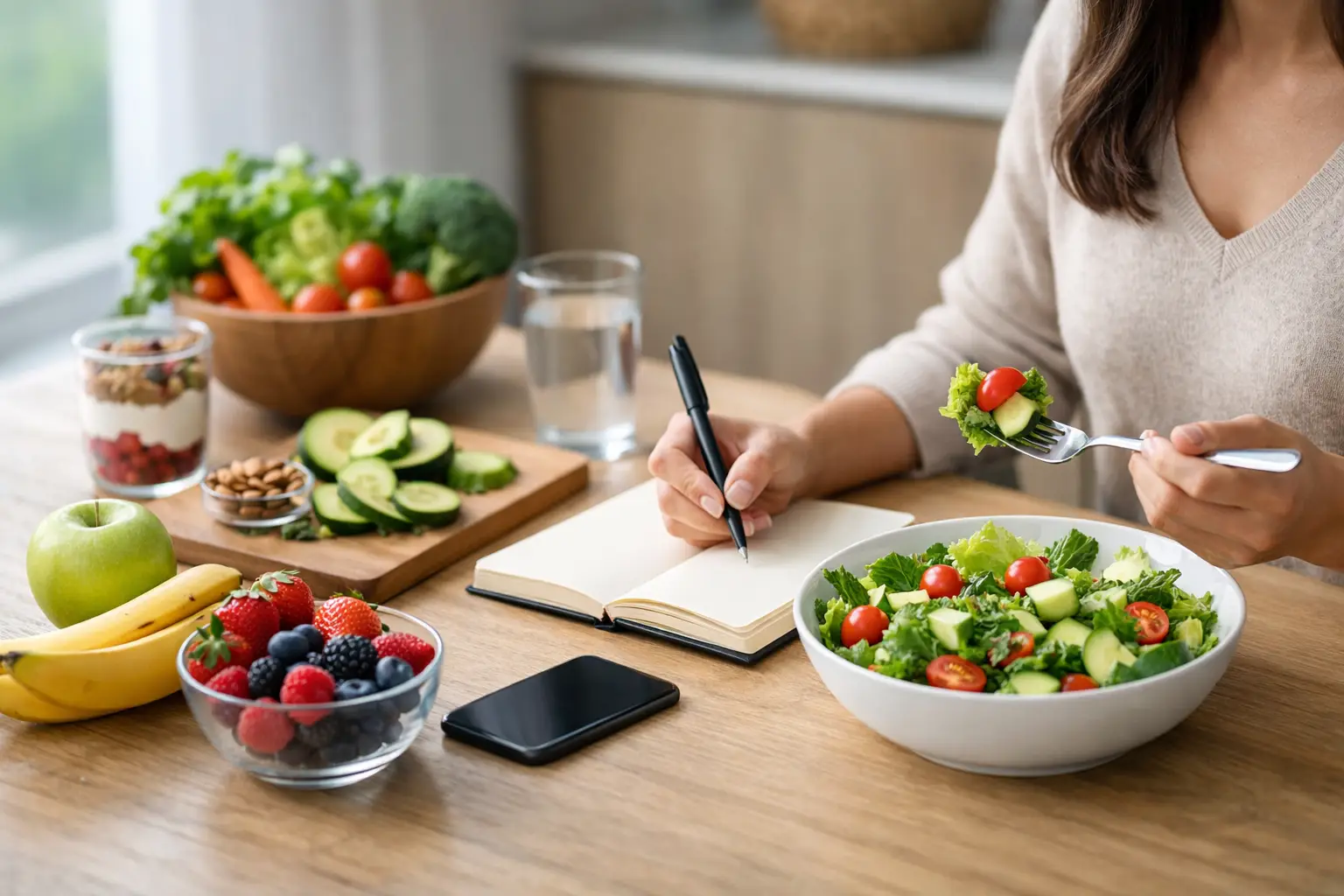
You do not need a fridge full of specialty foods or a perfect meal plan to figure out how to start eating healthy. Most people do better with a few steady changes than a dramatic reset they cannot maintain past one busy week. Healthy eating is less about being strict and more about building patterns that are realistic, satisfying, and easy to repeat.
That matters because nutrition advice often gets presented as all-or-nothing. Cut out every processed food. Never eat sugar. Track everything. For many people, that approach creates stress, not consistency. Research on long-term behavior change keeps pointing in the same direction: smaller habits that fit real life are more likely to stick.
What healthy eating actually means
Healthy eating does not require one specific diet. There is no single meal pattern that works for every age, schedule, budget, or health goal. In general, though, a healthy way of eating includes more nutrient-dense foods, enough protein and fiber, a reasonable balance of carbohydrates and fats, and fewer ultra-processed foods that are easy to overeat.
That still leaves plenty of room for preference. Some people like three larger meals. Others feel better with smaller meals and a snack. Some cook most nights. Others rely on frozen vegetables, rotisserie chicken, canned beans, and quick breakfasts. A healthy diet can include all of those.
Instead of asking whether your diet is perfect, ask whether it regularly gives you what your body needs. Are you eating enough fruits and vegetables? Are your meals filling, or are you hungry again an hour later? Do you have stable energy during the day? Those questions are often more useful than chasing nutrition trends.
How to start eating healthy when you feel overwhelmed
If your current routine feels scattered, start by improving one meal you eat often. Breakfast is a common place to begin because it repeats daily and tends to be rushed. Swapping a pastry for Greek yogurt with fruit, or sugary cereal for oatmeal with nuts, can improve protein and fiber without requiring a full lifestyle overhaul.
Lunch and dinner can follow the same logic. Build meals around a simple structure: protein, fiber-rich carbs, healthy fat, and produce. For example, a meal might be grilled chicken, brown rice, avocado, and roasted broccoli. It could also be a turkey sandwich on whole grain bread with fruit and a side salad. The exact food matters less than the pattern.
This approach helps because meals that contain protein, fiber, and fat usually keep you fuller for longer. That can make it easier to manage cravings and avoid the cycle of eating too little early in the day and overeating later at night.
Focus on additions before restrictions
One of the easiest ways to learn how to start eating healthy is to add better foods before trying to eliminate everything else. When people begin with restriction alone, meals can become unsatisfying and hard to sustain. Adding nutrients first tends to improve quality without creating the same sense of deprivation.
Try adding one fruit a day, one extra serving of vegetables, or a more balanced snack. If you usually grab crackers alone, pair them with string cheese or hummus. If dinner is heavy on pasta but light on produce, add a side salad or frozen vegetables. These are not flashy changes, but they often make the biggest difference over time.
There is also a psychological benefit here. Positive changes feel more manageable than constant avoidance. Once better habits become normal, some less helpful habits naturally crowd out.
Start with the foods you already like
People often assume healthy eating means forcing down foods they do not enjoy. That is rarely necessary. If you like berries, eggs, potatoes, rice, salmon, peanut butter, apples, green beans, or yogurt, you already have ingredients for balanced meals.
The goal is to work with your preferences, not against them. If you hate kale, there is no special reward for eating kale. Spinach, romaine, carrots, bell peppers, cabbage, or frozen mixed vegetables can do the job just as well. If plain water is hard for you, sparkling water or fruit-infused water may help you drink more.
This matters because enjoyment affects adherence. The healthiest meal plan is not very helpful if you abandon it after four days.
Build a grocery routine that makes healthy eating easier
Willpower matters less when your environment does more of the work. A kitchen stocked with easy, balanced options makes healthy choices more automatic. A kitchen full of only convenience snacks makes those the default.
You do not need to buy all fresh foods or cook from scratch every day. In fact, convenience can support better nutrition when used well. Frozen vegetables, frozen fruit, canned tuna, canned beans, prewashed greens, microwaveable brown rice, eggs, cottage cheese, and rotisserie chicken can save time and still support healthy meals.
A practical grocery routine might include a few proteins, a few produce options, one or two whole grain or high-fiber carbs, and a couple of simple snacks. Think less about buying ingredients for ambitious recipes and more about buying foods you will actually use on a tired Wednesday.
Watch for common mistakes when starting
A few habits can make healthy eating harder than it needs to be. The first is trying to change everything at once. If you are simultaneously cutting sugar, counting calories, meal prepping seven days, and giving up takeout, the plan may look impressive but feel exhausting.
Another common mistake is eating too little. Some people start with salads that are mostly lettuce and end up hungry all afternoon. A healthy meal should still be substantial. Protein, fiber, and healthy fats are not extras. They are part of what makes meals satisfying.
It also helps to be careful with food rules that sound clean and disciplined but do not hold up well in everyday life. Labeling foods as completely good or bad can lead to guilt and rebound eating. Nutrition quality exists on a spectrum. A cookie does not ruin your progress, just as one salad does not transform your health overnight.
Healthy eating on a budget is still possible
Cost is a real concern, and healthy eating advice sometimes ignores that. But eating better does not have to mean buying the most expensive version of everything. Nutrient-dense foods can be affordable when you choose strategically.
Beans, oats, eggs, potatoes, bananas, peanut butter, canned fish, plain yogurt, rice, and frozen produce are often cost-effective staples. Buying store brands, planning meals around sales, and using leftovers well can also lower costs. Fresh berries and packaged smoothie bowls may be convenient, but they are not required for a healthy diet.
If budget is tight, focus on value and consistency. A simple meal of eggs, toast, and fruit or bean chili with rice can support health just as well as a trendier option.
How to start eating healthy and keep it going
Long-term success usually comes from systems, not motivation. Motivation is helpful at the beginning, but routines are what carry you through stressful weeks, travel, and low-energy days. That is why it helps to make your eating habits repeatable.
Choose two or three breakfasts you can rotate. Keep a few balanced lunches on standby. Have ingredients for quick dinners that take under 20 minutes. Repetition might sound boring, but it reduces decision fatigue and makes healthy eating easier to maintain.
It also helps to think in terms of consistency rather than perfection. If one meal is less balanced, the next meal is another chance to eat well. There is no need to wait until Monday or restart after a weekend out. A flexible mindset is usually more sustainable than a rigid one.
For some people, tracking food for a short period can increase awareness. For others, it becomes stressful or obsessive. It depends on your personality, your history with dieting, and your goals. If tracking helps, use it as a tool, not a punishment. If it does not help, focus on meal structure, hunger cues, and regular eating patterns instead.
A simple way to begin this week
If you want a practical starting point, keep it small. Pick one meal to improve, add one fruit or vegetable each day, and make sure at least one meal contains a clear source of protein. That may not sound dramatic, but it is enough to create momentum.
At The Healthy Apron, we believe the most useful health advice is the kind people can actually use in normal life. Healthy eating should help you feel better, not make your day harder to manage.
Start where you are, use foods you already enjoy, and let progress look ordinary. The habits that seem almost too simple are often the ones that quietly change your health for the better.
Leave Feedback: Was this article helpful?