
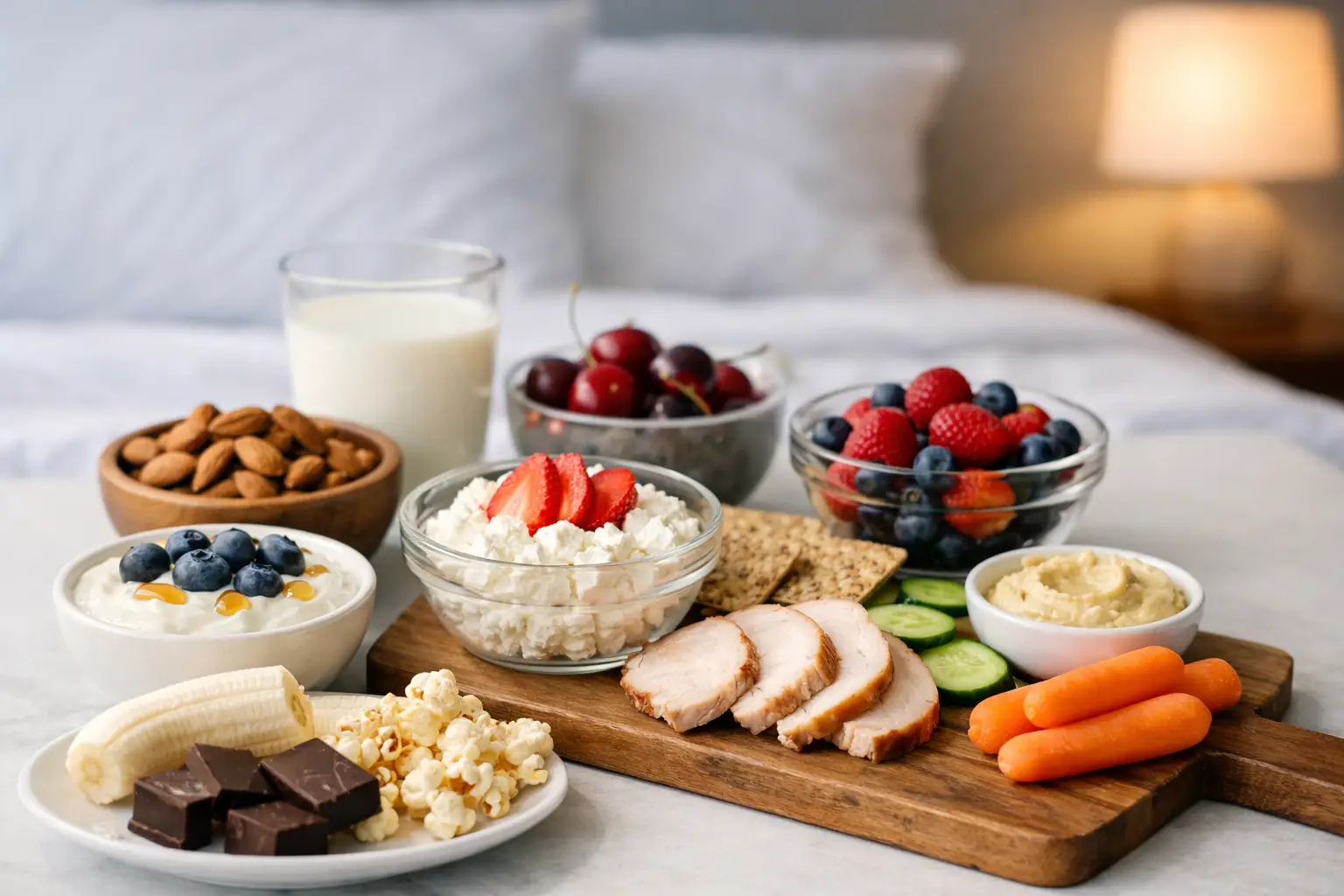
That 9:30 p.m. hunger can feel deceptively small – until it turns into rummaging through the pantry for chips, cookies, or leftovers. The best bedtime snacks are the ones that take the edge off hunger without leaving you too full, wired, or uncomfortable when your head hits the pillow.
A smart evening snack can help in a few different ways. It may prevent you from going to bed overly hungry, which can make it harder to fall asleep. It can also help some people wake up less hungry in the middle of the night or avoid the kind of late-night overeating that happens when dinner was too light. But bedtime snacking is not automatically helpful for everyone, and the details matter.
What makes the best bedtime snacks?
The strongest choices are usually small, easy to digest, and balanced. In practice, that often means a mix of protein, fiber, and a moderate amount of carbohydrate or healthy fat. Protein can help with fullness, fiber slows digestion, and carbohydrates may support relaxation for some people when they are not overly sugary or heavy.
Portion size matters just as much as food choice. A bedtime snack should usually feel like a snack, not a second dinner. Large meals close to bedtime can raise the risk of reflux, bloating, or restless sleep, especially if they are high in fat, spice, or sugar.
Timing also makes a difference. Many people do best eating about one to two hours before bed. If you eat too early, hunger may come back. If you eat right before lying down, even a healthy snack may feel uncomfortable.
10 best bedtime snacks to consider
1. Greek yogurt with berries
Greek yogurt is one of the most practical bedtime options because it offers protein in a small serving. Berries add fiber and natural sweetness without making the snack overly heavy. This combination tends to be satisfying while still feeling light enough for late evening.
If you are sensitive to sugar before bed, choose plain yogurt instead of a sweetened flavored version. If dairy tends to bother your stomach, this may not be the best fit.
2. Banana with peanut butter
This is a classic for a reason. Banana provides carbohydrate and potassium, while peanut butter adds fat and a little protein. Together, they can be filling without requiring much prep.
The trade-off is portion control. A whole banana with several large spoonfuls of peanut butter can quickly become calorie-dense. For many people, half to one banana with a thin layer of peanut butter works well.
3. Cottage cheese with fruit
Cottage cheese is rich in protein and often works well as an evening snack because it is satisfying in a relatively small amount. Pairing it with sliced peaches, pineapple, or berries can make it more appealing if plain cottage cheese feels bland.
Some people love it, others do not. Taste matters because the best snack is one you will actually choose instead of replacing with ice cream 20 minutes later.
4. Oatmeal made with milk
A small bowl of oatmeal can be especially comforting on colder nights. Oats provide fiber and carbohydrate, and using milk boosts protein. This option may work well if you want something warm and soothing rather than cold.
Keep it simple. A giant bowl loaded with brown sugar, chocolate chips, and nut butter is closer to dessert. Cinnamon, a few berries, or a few chopped nuts are usually enough.
5. Whole grain toast with almond butter
Toast can be a good bedtime snack when you want something plain, familiar, and easy on the stomach. Whole grain bread adds fiber, while almond butter contributes healthy fat and some protein.
This can be a better choice than highly processed snack foods because it is more balanced and typically more filling. Just be mindful if bread late at night tends to worsen reflux for you.
6. A small apple with cheese
Apple gives you crunch and fiber, and cheese adds protein and fat. It is a simple combination that helps many people feel satisfied without feeling stuffed.
This snack works best in modest portions. A huge apple and several thick slices of cheese may sit heavier than expected. If you are trying to keep bedtime snacks lighter, think snack plate, not mini meal.
7. Hummus with sliced cucumber or whole grain crackers
If you prefer savory snacks, hummus is a strong option. It offers a mix of plant protein and fat, and pairing it with cucumber keeps things light. Whole grain crackers can make it more filling if vegetables alone are not enough.
This is a good example of how bedtime snacks do not need to be sweet. For some people, savory choices are less likely to trigger extra snacking afterward.
8. Kiwi
Kiwi is a smaller snack, but it is worth mentioning because it has been studied for possible sleep benefits. Some research suggests kiwifruit may support sleep quality and sleep onset, though the evidence is still developing and should not be treated as a cure for insomnia.
If you are only a little hungry, kiwi can be a smart light option. If you are truly hungry, pair it with yogurt or a few nuts so it is more satisfying.
9. A small handful of nuts
Almonds, pistachios, or walnuts can work well before bed because they provide healthy fats, some protein, and good staying power. They are portable, require no prep, and can curb the urge to keep grazing.
They are also very easy to overeat. Nuts are nutritious, but they are calorie-dense. A small handful is usually enough.
10. Turkey roll-ups
If you want a higher-protein bedtime snack with very little effort, a few slices of turkey rolled up with a little cheese or avocado can work well. This may be especially useful if your evening hunger tends to show up after a light dinner.
Choose lower-sodium options when possible, since heavily processed deli meats are not ideal as an everyday staple. It is a convenient snack, but not necessarily the best nightly choice for everyone.
Best bedtime snacks for different goals
The best bedtime snacks are not identical for every person. If your main goal is better sleep comfort, lighter options like Greek yogurt, kiwi, or a small bowl of oatmeal may be easier to tolerate. If your goal is preventing nighttime hunger, snacks with more protein and fat, such as cottage cheese, nuts, or apple with cheese, may last longer.
If you are trying to lose weight, bedtime snacks can still fit. The key is being intentional instead of reactive. A planned snack of around modest size is often more manageable than going to bed hungry, waking up, and eating whatever is easiest. For many people, structured eating works better than relying on willpower late at night.
If you have diabetes or concerns about blood sugar, balance becomes even more important. Pairing carbohydrate with protein or fat may help avoid sharper blood sugar swings. In that situation, personalized guidance from a healthcare professional is worth more than any generic snack list.
What to avoid before bed
Some foods are more likely to backfire at night, even if they seem satisfying in the moment. Very spicy foods, heavy fried foods, and large portions can increase discomfort or reflux. Sugary snacks and desserts may leave you feeling unsatisfied and tempted to keep eating. Caffeinated chocolate or energy drinks are obvious problems, but even coffee-flavored treats can be enough to interfere with sleep in sensitive people.
Alcohol is another tricky one. It can make people feel sleepy at first, but it often disrupts sleep quality later in the night. That means your evening routine can feel relaxing while still working against restful sleep.
How to make bedtime snacking work for you
Start by asking a simple question: are you physically hungry, or just tired, bored, or stressed? That pause matters. If it is true hunger, a small balanced snack makes sense. If it is habit or emotion, food may not solve the problem for long.
It also helps to look at the rest of your day. Nighttime hunger is often a sign that breakfast or lunch was too small, protein was too low, or dinner did not hold you long enough. In other words, the answer is not always finding better bedtime snacks. Sometimes it is building better meals earlier in the day.
A good bedtime snack should feel calm, not chaotic. Something simple, satisfying, and easy to digest will usually beat a so-called healthy snack that leaves you picking through the kitchen again. The best choice is the one that helps you end the day feeling comfortably full, not overly full, and ready for sleep.
Leave Feedback: Was this article helpful?