
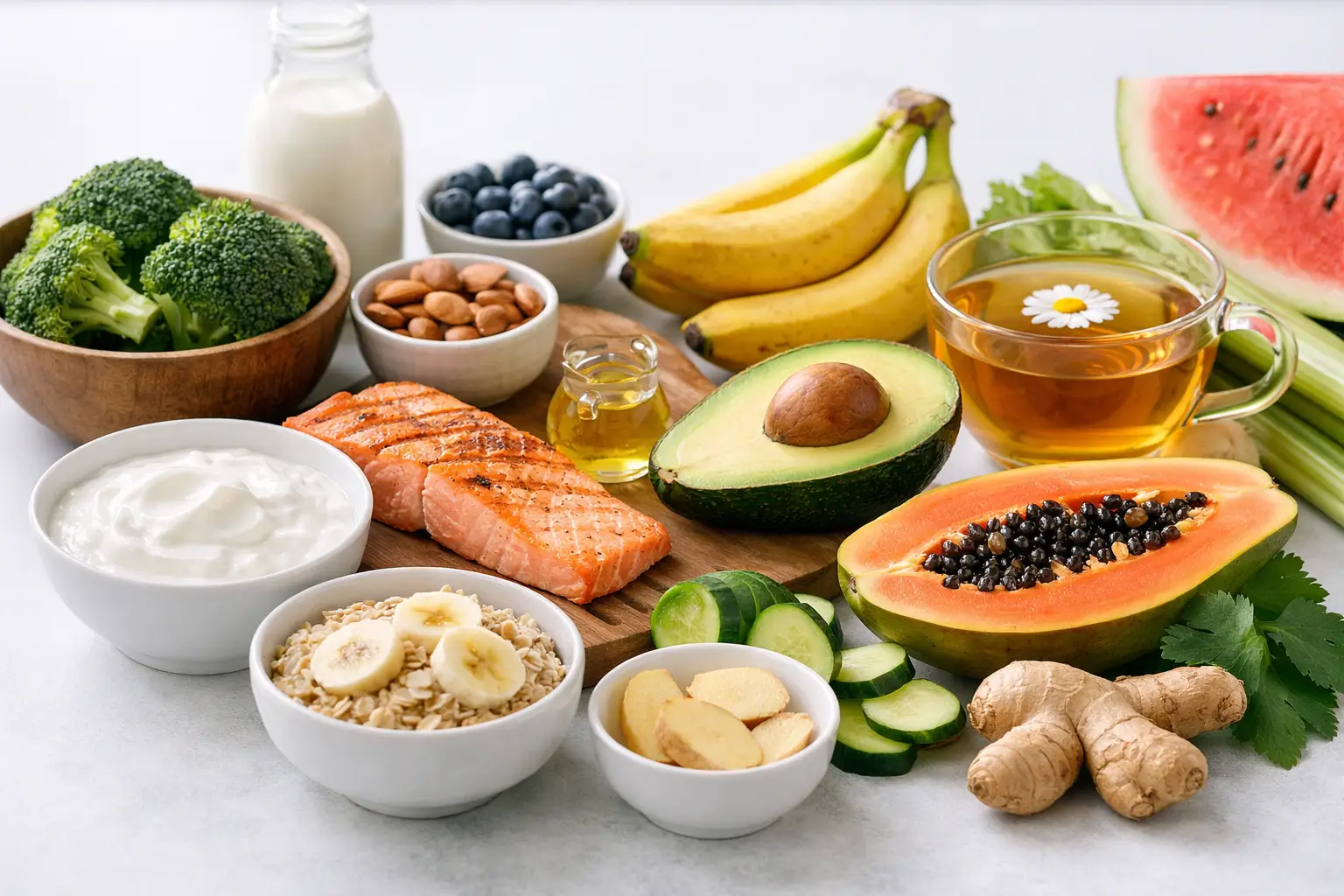
That burning feeling after a meal often sends people searching for the best foods for heartburn relief – and for good reason. What you eat can make a noticeable difference, but heartburn is rarely about one miracle food. It usually comes down to a pattern: choosing foods that are less likely to trigger reflux, eating in portions your stomach can handle, and paying attention to your own symptoms.
Heartburn happens when stomach acid flows back into the esophagus. This can cause burning in the chest, a sour taste in the mouth, throat irritation, or discomfort after eating. While frequent or severe symptoms deserve medical attention, many people with mild, occasional heartburn get some relief by adjusting their food choices.
Best foods for heartburn relief
The most helpful foods tend to be gentle, lower in fat, and easier to digest. They do not cure acid reflux, but they may reduce irritation and lower the chance that a meal will trigger symptoms.
1. Oatmeal
Oatmeal is a classic bland breakfast, and that reputation is well earned. It is filling, mild, and naturally low in fat. Because it is a whole grain, it also provides fiber, which may help with overall digestion and satiety.
The key is what you add to it. A bowl of plain oatmeal or oatmeal topped with sliced banana is very different from oatmeal loaded with chocolate, heavy cream, or high-fat nut butter. If heartburn tends to hit in the morning, a simple bowl of oats may be easier on your stomach than a greasy breakfast sandwich.
2. Bananas
Bananas are soft, convenient, and easy for many people to tolerate. Their low acid content makes them a common go-to food when reflux is acting up. They can also work well as a snack when you need something light but satisfying.
That said, not everyone responds the same way. A small number of people find bananas triggering, especially if they are very ripe. If that sounds familiar, it is worth treating bananas as a maybe rather than a must.
3. Melons
Melons such as cantaloupe, honeydew, and watermelon are low-acid fruits that often fit well into a reflux-friendly diet. For people who miss fruit but struggle with citrus or pineapple, melon can be a gentler option.
Portion size still matters. Eating a huge bowl of any food, even a low-acid fruit, can leave you feeling overly full and worsen reflux.
4. Ginger
Ginger has a long history of use for digestive discomfort, especially nausea. Some people also find it soothing when heartburn and indigestion overlap. Fresh ginger tea, a small amount of grated ginger in meals, or ginger stirred into warm water may be helpful.
More is not always better. Large amounts of ginger can bother some people, so it makes sense to start small and see how your body responds.
5. Leafy greens
Spinach, kale, romaine, and other leafy greens are low in fat and naturally light. They add volume and nutrients to meals without the heaviness that often comes with fried or creamy side dishes.
Preparation matters here too. A salad covered in raw onions, full-fat dressing, bacon, and spicy toppings may be harder to tolerate than the greens themselves. If raw vegetables feel rough on your stomach, lightly cooked greens may go down more easily.
6. Green beans, broccoli, and asparagus
Nonstarchy vegetables are often among the best foods for heartburn relief because they are lower in fat and generally less triggering than rich or acidic foods. Green beans, broccoli, asparagus, zucchini, and cucumbers are common examples.
Some people do get bloating from certain vegetables, especially broccoli. If that happens, try smaller portions or switch to another mild vegetable instead of assuming all vegetables are a problem.
7. Brown rice and other whole grains
Brown rice, quinoa, couscous, and whole grain bread can be useful staples when heartburn is frequent. These foods are typically bland enough to pair with gentler proteins and vegetables, making it easier to build meals that do not provoke symptoms.
Whole grains are not a quick fix, but they can help create a more balanced eating pattern. If your usual meals are heavy, greasy, or oversized, swapping in simpler grain-based meals may reduce post-meal discomfort.
8. Skinless chicken and turkey
Lean proteins are usually better tolerated than high-fat meats. Skinless chicken breast or turkey can provide satisfying protein without the extra fat that slows digestion and may increase reflux.
Cooking method matters just as much as the food itself. Baked, grilled, poached, or roasted chicken is very different from fried chicken or a turkey sandwich piled with creamy sauces and spicy condiments.
9. Fish
Fish can be another smart protein choice, especially when prepared simply. Baked cod, salmon, tilapia, or tuna may sit better than burgers, sausage, or heavily marbled cuts of beef.
Fat content can still be a factor. Even though salmon contains healthy fats, a very rich portion may bother some people. If you notice that fatty fish triggers symptoms, a leaner variety may work better.
10. Yogurt
Yogurt can be soothing for some people, especially plain or lower-fat varieties. Its cool texture may feel gentle when your chest or throat is irritated, and it offers protein and calcium.
This one depends on the person. Full-fat yogurt, very sugary yogurt, or yogurt with acidic fruit mix-ins may trigger symptoms in some cases. If dairy tends to worsen your reflux, yogurt may not be the best fit.
11. Egg whites
Egg whites are a useful option for people who want a simple breakfast protein. They are lower in fat than whole eggs, which may make them easier to tolerate when heartburn is active.
Whole eggs are not automatically off-limits, but the yolks are higher in fat and may trigger symptoms for some people. If scrambled eggs usually leave you uncomfortable, switching to egg whites is a reasonable experiment.
12. Herbal tea and water-rich foods
Hydration can support digestion, though chugging large amounts at meals may leave you too full. Sipping water during the day and eating water-rich foods like cucumber, melon, and lettuce may feel better than washing down meals with large drinks.
Some people also find non-caffeinated herbal teas soothing. Chamomile may help in some cases, but peppermint tea is tricky because peppermint can relax the lower esophageal sphincter and worsen reflux in certain people.
What makes these foods helpful?
Heartburn-friendly foods usually share a few traits. They tend to be lower in fat, less acidic, and less likely to put pressure on the stomach. Many are also mild in flavor, which matters when spicy or heavily seasoned meals are a clear trigger.
That does not mean every bland food is helpful or every healthy food is safe. Tomatoes are nutritious but often trigger reflux because they are acidic. Avocados are nutrient-dense but can bother some people because of their fat content. The best diet for reflux is often less about labels like healthy or unhealthy and more about how your body reacts.
Foods that commonly make heartburn worse
If you are trying to get more relief from your meals, it helps to know what may work against you. Common triggers include fried foods, high-fat meals, spicy foods, tomato sauce, citrus fruits, chocolate, peppermint, alcohol, coffee, and carbonated drinks.
Not everyone reacts to all of these. Some people can drink coffee without any issue but get symptoms from pizza. Others are fine with tomato sauce but notice immediate burning after chocolate or wine. A simple food and symptom journal can help identify your personal pattern.
How to eat for heartburn relief
Food choice matters, but eating habits matter too. Large meals stretch the stomach and can make reflux more likely, so smaller meals often work better than one big lunch or dinner. Eating slowly can also help, since rushing usually leads to overeating or swallowing more air.
Try not to lie down for at least two to three hours after eating. This is one of the most useful habits for nighttime heartburn. If symptoms hit in the evening, a lighter dinner may help more than searching for a special bedtime snack.
It is also worth paying attention to meal balance. A plate built around lean protein, a whole grain, and cooked vegetables is often easier to tolerate than a meal that is greasy, spicy, or oversized. At The Healthy Apron, that practical, pattern-based approach is usually what makes nutrition advice stick in real life.
When food changes are not enough
Occasional heartburn after a heavy meal is common. But symptoms that happen often, wake you up at night, make swallowing difficult, or come with vomiting, weight loss, or chest pain should not be brushed off. Frequent heartburn can be a sign of gastroesophageal reflux disease, also called GERD, and it may need medical treatment.
Even milder reflux is worth discussing with a healthcare professional if you rely on over-the-counter remedies often. Food can help reduce symptoms, but it is not a substitute for proper evaluation when heartburn becomes a regular problem.
The most useful approach is usually simple: build meals around gentle, lower-fat foods, notice your own triggers, and make changes you can actually keep up with. Relief often comes less from one perfect food and more from a steady routine your stomach can live with.
Leave Feedback: Was this article helpful?