
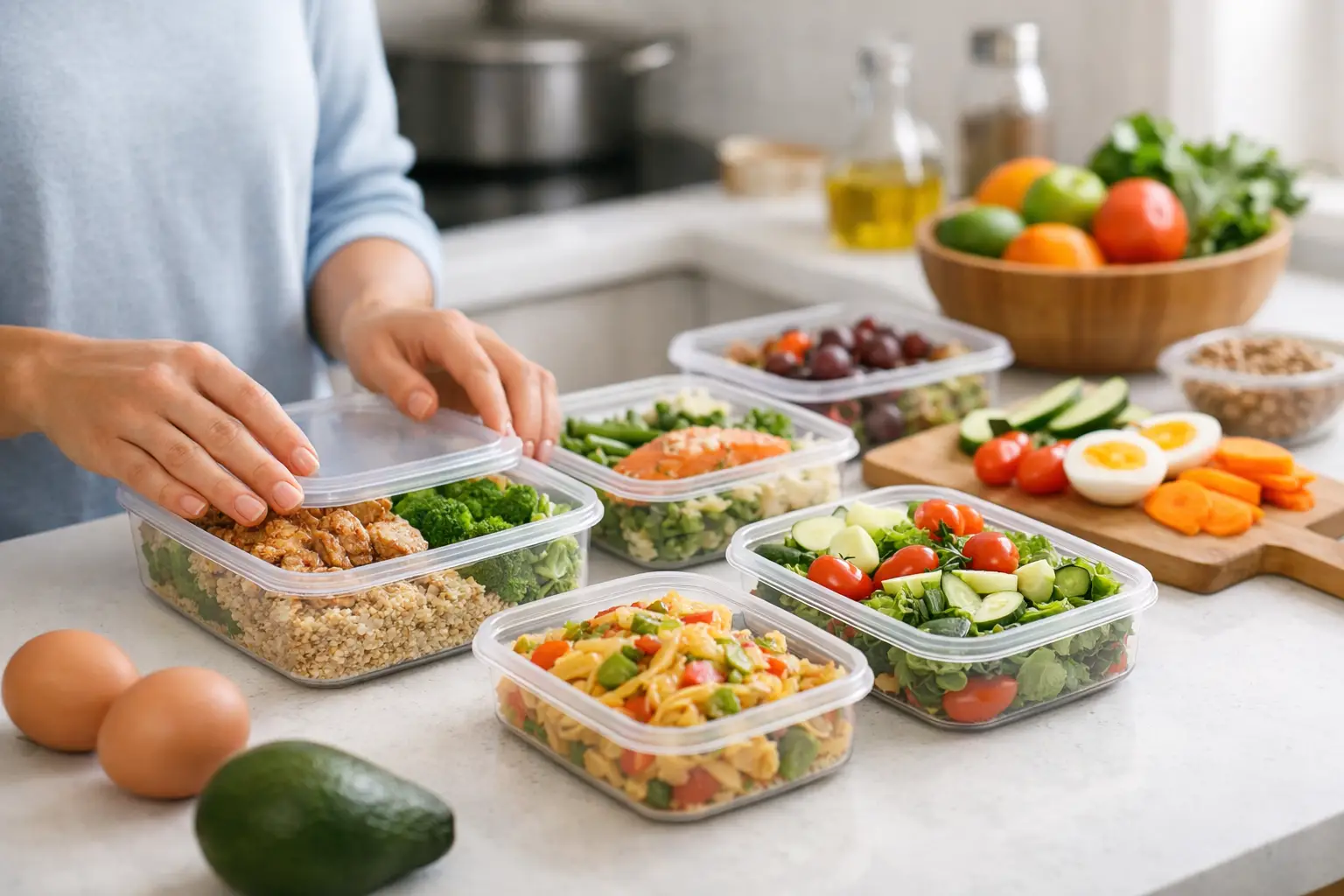
Sunday night gets a lot less chaotic when lunch is already handled. If you have ever opened the fridge, felt tired, and ordered takeout because nothing was ready, learning how to start meal prepping can make healthy eating feel much more manageable.
Meal prepping simply means planning, preparing, and storing some or all of your meals ahead of time. For some people, that means cooking every lunch for the week. For others, it means washing produce, cooking a batch of protein, and making breakfast easier. There is no single right way to do it, which is good news if you want a system that fits your schedule rather than another all-or-nothing health habit.
Why learning how to start meal prepping helps
Meal prepping is often framed as a weight loss trick, but its benefits go beyond the scale. When meals are planned in advance, people may be more likely to eat balanced portions, include more vegetables, and rely less on highly processed convenience food. It can also reduce decision fatigue, which matters more than most people realize. Many less-than-ideal food choices happen when you are hungry, rushed, and mentally done for the day.
It can save money too. Buying ingredients with a plan usually leads to less food waste and fewer last-minute restaurant meals. That said, meal prepping is not automatically cheaper if you buy large amounts of food you never eat. The most effective routine is a realistic one, not the most ambitious one.
There is also a consistency benefit. Healthy habits tend to stick better when they are easy to repeat. If breakfast is ready and lunch is packed, you are removing friction from your day. That small shift can make a big difference over time.
Start smaller than you think you should
One of the biggest mistakes beginners make is trying to prep every meal for seven days straight. That looks productive on social media, but it is often too much work, too much repetition, and too much room for food to go uneaten.
A better starting point is to prep one meal category first. Breakfast and lunch are usually easiest because they are more predictable. You might make overnight oats for three mornings or prep grain bowls for work lunches. Once that feels routine, you can add snacks or dinners.
Think in terms of reducing effort, not creating a perfect food system. Even prepping washed lettuce, cooked rice, and chopped vegetables counts. The goal is to make your next meal easier.
How to start meal prepping in a simple way
The easiest method is to build meals from a few repeatable parts. That usually means choosing a protein, a fiber-rich carbohydrate, vegetables, and a source of healthy fat. This kind of structure supports fullness and helps with nutrition without forcing you to count every bite.
For example, a balanced prep might include grilled chicken or baked tofu, brown rice or roasted potatoes, broccoli or peppers, and avocado or a simple dressing. Breakfast could be Greek yogurt with fruit and nuts, or eggs with whole grain toast and fruit on the side.
If your main goal is weight management, meal prep can help with portion awareness, but it should still leave room for satisfaction. Meals that are too small or overly restrictive often backfire and lead to snacking later. If your goal is simply to eat better during a busy week, focus first on balance and convenience.
Pick foods that store well
Not every healthy food holds up the same way in the fridge. Some ingredients stay fresh for days, while others become soggy, dry, or unappealing fast. Choosing prep-friendly foods makes the habit much easier to maintain.
Cooked proteins like chicken breast, turkey meatballs, lentils, beans, tofu, and hard-boiled eggs tend to store well. So do grains like rice, quinoa, and pasta. Roasted vegetables usually last better than delicate greens, although salads can work if you keep wet ingredients separate until you are ready to eat.
Texture matters. Cucumbers, berries, avocado, and lettuce can lose quality quickly depending on how they are stored. That does not mean you should avoid them. It just means they may be better added fresh later rather than packed five days in advance.
A practical rule is to prep foods for three to four days at a time if you are using highly perishable ingredients. If you want to cover a full week, freezing some portions can work well for soups, stews, cooked grains, burrito bowls, and casseroles.
Build a meal prep routine that fits your week
Meal prepping works best when it matches your actual life. If Sundays are packed with errands and family obligations, a two-hour prep session may not happen consistently. In that case, split it up. Shop on Saturday, cook on Monday, and assemble lunches the night before.
Start by looking at your calendar. How many meals do you really need ready? If you go out to dinner twice, work from home on Friday, and already know you will eat leftovers one night, you probably do not need to prep 21 meals.
Then choose two or three base recipes or ingredients you can use in different ways. A batch of shredded chicken might become tacos one night, grain bowls the next day, and a wrap for lunch. That kind of overlap saves time without making every meal feel identical.
Some people prefer fully portioned meals in containers. Others do better with ingredient prep, where foods are cooked in batches and mixed as needed. Neither approach is better across the board. Fully assembled meals are convenient, while ingredient prep offers more variety. It depends on whether you value speed or flexibility more.
Keep food safety in mind
Meal prep is supposed to make life easier, not create food safety problems. Safe storage matters, especially for cooked proteins, rice dishes, and anything containing dairy.
In general, cooked meals should be refrigerated promptly and stored in sealed containers. Many prepared foods are best eaten within three to four days in the fridge, though exact timing depends on the ingredients. Reheat food thoroughly, and if something smells off, looks questionable, or has been sitting out too long, it is smarter to throw it away.
A good set of containers helps more than fancy kitchen gadgets. Choose containers that seal well, are easy to stack, and fit the portions you actually eat. Clear containers can be especially useful because they make prepared food easier to see and remember.
Make it healthy without making it boring
One reason people quit meal prepping is taste fatigue. Eating the exact same chicken, rice, and broccoli five days in a row can make even the best intentions wear out by Wednesday.
You can avoid that by changing flavors instead of cooking entirely different meals. The same basic ingredients can feel different with salsa, pesto, a peanut-style sauce, lemon and herbs, or a simple yogurt-based dressing. Swapping seasonings can also help. Roasted vegetables with garlic and Italian seasoning taste very different from the same vegetables tossed with chili powder and cumin.
This is also where realistic expectations matter. Meal prep does not need to be restaurant-level exciting. It just needs to be good enough that you will actually eat it. A dependable lunch that saves you from vending machine choices is doing its job.
Common mistakes when you start meal prepping
The first is overbuying. Shopping with healthy intentions but no plan often leads to wasted produce and random ingredients that do not make complete meals. A short list tied to specific meals works better.
The second is ignoring appetite and routine. If you never feel hungry for breakfast, prepping seven breakfasts may not make sense. If you know you need an afternoon snack to avoid overeating at dinner, prep that too.
The third is choosing complicated recipes. A new cooking project with 18 ingredients can be fun once in a while, but it is not always practical for a weekly routine. Simpler meals are easier to repeat, and repetition is what turns meal prep into a habit.
The fourth is treating one missed week as failure. Life changes. Some weeks you will prep a lot, and some weeks you will barely wash the berries. That does not mean the habit is gone. It just means you are adjusting.
A realistic first week of meal prep
If you want a low-pressure way to begin, prep just three days. Make overnight oats or egg muffins for breakfast, cook a batch of grain bowls for lunch, and wash fruit or portion nuts for snacks. For dinner, you might simply prep ingredients ahead so cooking takes 15 minutes instead of 45.
This approach gives you practice without filling the fridge with food you may not want later. It also helps you notice what actually makes your week easier. Maybe breakfast prep changes everything. Maybe lunches are the real problem. Your best meal prep plan is the one that solves your biggest friction point.
At The Healthy Apron, we believe healthy habits should feel reliable, not overwhelming. Meal prepping does not have to be strict, expensive, or time-consuming to be useful. Start with one meal, one routine, and one week you can realistically repeat. That is usually where lasting progress begins.
Leave Feedback: Was this article helpful?