
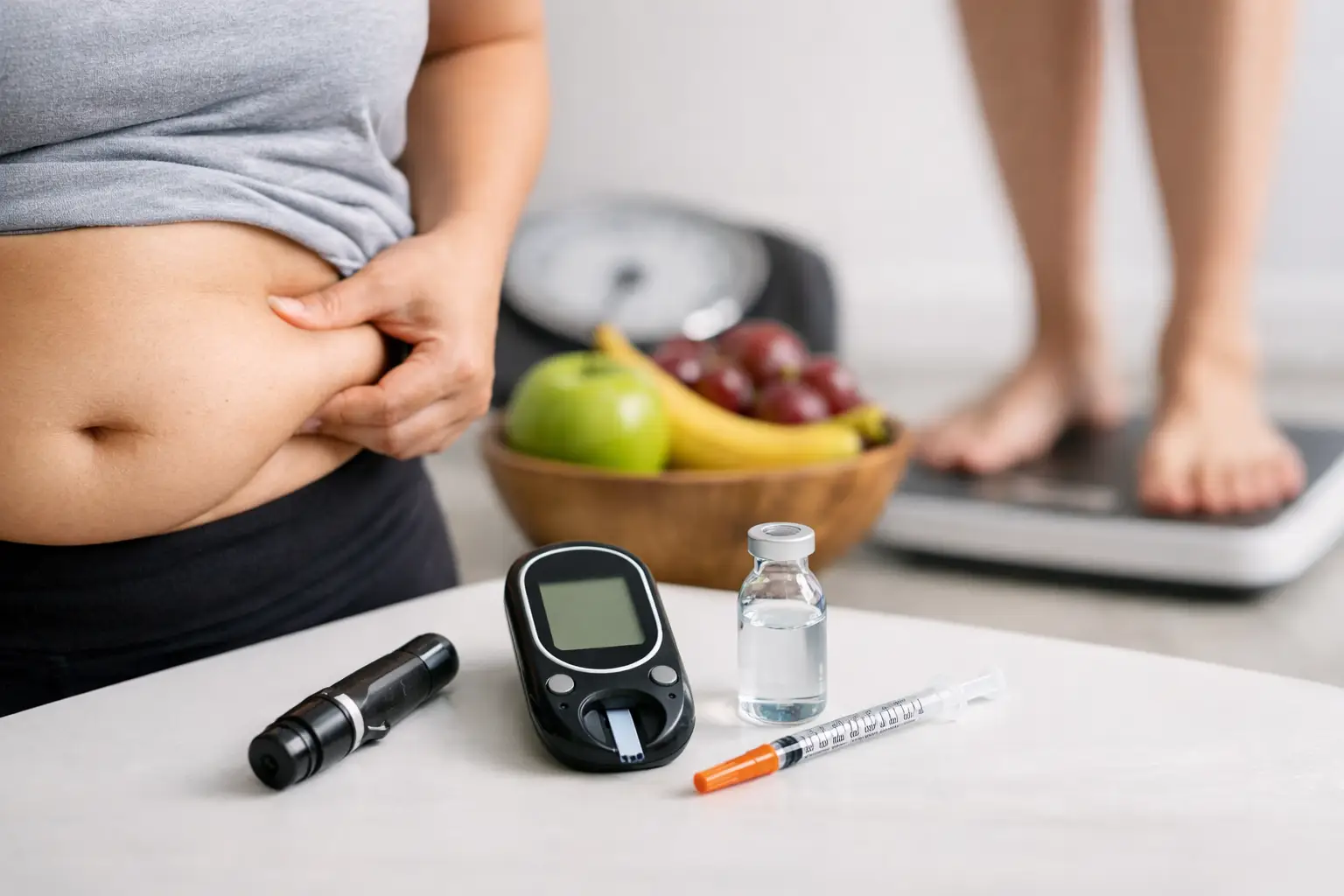
Feeling hungry again soon after eating, gaining weight mostly around the middle, or noticing darker patches of skin can seem unrelated at first. But these can be signs of insulin resistance, a common metabolic issue that often develops quietly and can raise the risk of prediabetes, type 2 diabetes, and heart disease over time.
Insulin resistance happens when your muscle, fat, and liver cells do not respond well to insulin, the hormone that helps move glucose from your blood into your cells. To keep blood sugar in a normal range, the pancreas makes more insulin. That can work for a while, but the extra strain may eventually lead to higher blood sugar levels and broader health problems.
The tricky part is that insulin resistance does not always cause obvious symptoms early on. Some people feel completely fine. Others notice subtle changes that are easy to blame on stress, aging, poor sleep, or a busy routine. Knowing what to watch for can help you decide when it is worth bringing your concerns to a healthcare provider.
Common signs of insulin resistance
1. Weight gain around the abdomen
One of the most recognized signs of insulin resistance is carrying more weight around the waist. This does not mean everyone with belly fat has insulin resistance, or that thin people cannot have it. But excess abdominal fat and insulin resistance often go together.
Part of the reason is that visceral fat, the kind stored deeper around the organs, is metabolically active. It can affect hormones and inflammation in ways that make it harder for the body to use insulin well. At the same time, higher insulin levels can promote fat storage, which turns the problem into a cycle.
2. Dark, velvety patches of skin
A skin change called acanthosis nigricans can be a strong clue. It usually appears as darker, thicker, velvety skin on the back of the neck, under the arms, in the groin, or sometimes on the elbows, knees, or knuckles.
This can happen when high insulin levels stimulate skin cells to grow more quickly. Not every dark patch of skin means insulin resistance, but this finding is common enough that it deserves medical attention, especially if it is new or becoming more noticeable.
3. Skin tags
Skin tags are small, soft growths that often show up on the neck, eyelids, underarms, or groin. They are common and usually harmless, so they are not a diagnosis by themselves.
Still, having many skin tags, especially along with weight gain or acanthosis nigricans, can sometimes be associated with insulin resistance. It is one of those signs that matters more when it appears as part of a bigger pattern.
4. Feeling tired after meals
Many people describe a crash after eating, especially after a meal high in refined carbs or sugar. That heavy, sleepy, mentally foggy feeling can have several causes, including poor sleep or eating too much at once. But in some cases, it may reflect the body working harder to manage blood sugar and insulin levels.
This symptom is not specific, which is why it is easy to dismiss. Still, if post-meal fatigue happens often and comes with other concerns, it may be worth looking at the bigger picture.
5. Frequent hunger and sugar cravings
When blood sugar rises and falls more dramatically, appetite can feel harder to control. Some people with insulin resistance notice they get hungry quickly after eating, crave sweets, or feel shaky and irritable if they go too long without food.
That does not mean cravings automatically point to a medical problem. Stress, habit, poor sleep, and undereating can all drive cravings too. But persistent hunger despite eating enough can be one of the more frustrating signs that the body is not regulating energy as smoothly as it should.
6. High blood sugar or prediabetes on lab work
Sometimes the clearest sign is not a symptom at all. It shows up on routine blood tests, such as fasting glucose, A1C, or other markers your provider may order.
A person can have insulin resistance for years before type 2 diabetes develops. That is why prediabetes matters. It is often an early warning sign that the body is struggling to keep blood sugar in a healthy range, even if day-to-day symptoms are mild or absent.
7. High triglycerides and low HDL cholesterol
Insulin resistance often affects more than blood sugar. It can also change blood fat levels. A common pattern is higher triglycerides and lower HDL, the cholesterol often called the good cholesterol.
This matters because insulin resistance is closely tied to cardiometabolic health. If a blood test shows this pattern, especially along with a larger waist size or higher blood pressure, it can point to underlying metabolic dysfunction.
8. High blood pressure
Blood pressure and insulin resistance often overlap. The exact reasons are complex, but insulin resistance may affect blood vessel function, fluid balance, and inflammation in ways that increase blood pressure.
Again, high blood pressure has many possible causes, so this is not a standalone sign. But when it appears alongside elevated blood sugar, abdominal weight gain, or abnormal cholesterol, it adds to the overall picture.
9. Polycystic ovary syndrome symptoms
In women, insulin resistance is strongly linked with polycystic ovary syndrome, or PCOS. Signs can include irregular periods, acne, excess facial or body hair, thinning hair on the scalp, and difficulty losing weight.
Not everyone with PCOS has insulin resistance, and not everyone with insulin resistance has PCOS. But the connection is common enough that these symptoms should not be ignored, especially if they have changed over time.
10. Difficulty losing weight despite consistent effort
Weight loss is never just about willpower, and insulin resistance can make it feel especially challenging. Some people notice that even with regular exercise and better food choices, progress is slow.
That can happen because higher insulin levels can favor fat storage and make appetite regulation harder. It is not a reason to give up. It is a reason to look for a more complete explanation if your efforts are not matching your results.
Why signs of insulin resistance are easy to miss
Many of these signs are common on their own. Fatigue can come from poor sleep. High blood pressure may run in families. Skin tags are extremely common. That is why insulin resistance is often overlooked until lab work starts to shift.
There is also a wide range in how it appears. Some people have several clear signs. Others have almost none, even with abnormal labs. Family history, body composition, activity level, sleep quality, stress, and conditions like PCOS all influence the picture.
Who is more likely to develop insulin resistance?
Risk tends to be higher in people who carry excess weight, especially around the midsection, are physically inactive, have a family history of type 2 diabetes, or have had gestational diabetes. PCOS, sleep apnea, and certain ethnic backgrounds are also associated with higher risk.
But risk factors are not guarantees. You can have insulin resistance without checking every box, and you can have several risk factors without developing diabetes. That is why screening and context matter more than assumptions.
When to talk to a healthcare provider
If you notice several signs of insulin resistance at once, it is reasonable to ask for an evaluation. A provider may look at fasting glucose, A1C, cholesterol, blood pressure, waist size, and sometimes fasting insulin or other markers depending on your situation.
This is especially important if you have a personal or family history of diabetes, had diabetes during pregnancy, or have symptoms of PCOS. Catching problems early can make a real difference because lifestyle changes tend to work best before blood sugar rises further.
What helps if insulin resistance is the issue?
Treatment usually starts with everyday habits, not extremes. Regular physical activity helps muscles use glucose more effectively. Meals built around fiber, protein, healthy fats, and less highly processed carbohydrate can improve blood sugar response. Sleep, stress management, and weight loss, if appropriate, can also help.
The right approach depends on the person. Some people improve with moderate changes they can stick to consistently. Others may need more structured support or medication, especially if they already have prediabetes, PCOS, or type 2 diabetes. A reliable plan is always better than a perfect plan you cannot maintain.
If something in your body has felt off lately, it is worth paying attention. The signs of insulin resistance are not always dramatic, but they can be meaningful early clues – and acting on them sooner gives you more room to protect your long-term health.
Leave Feedback: Was this article helpful?