
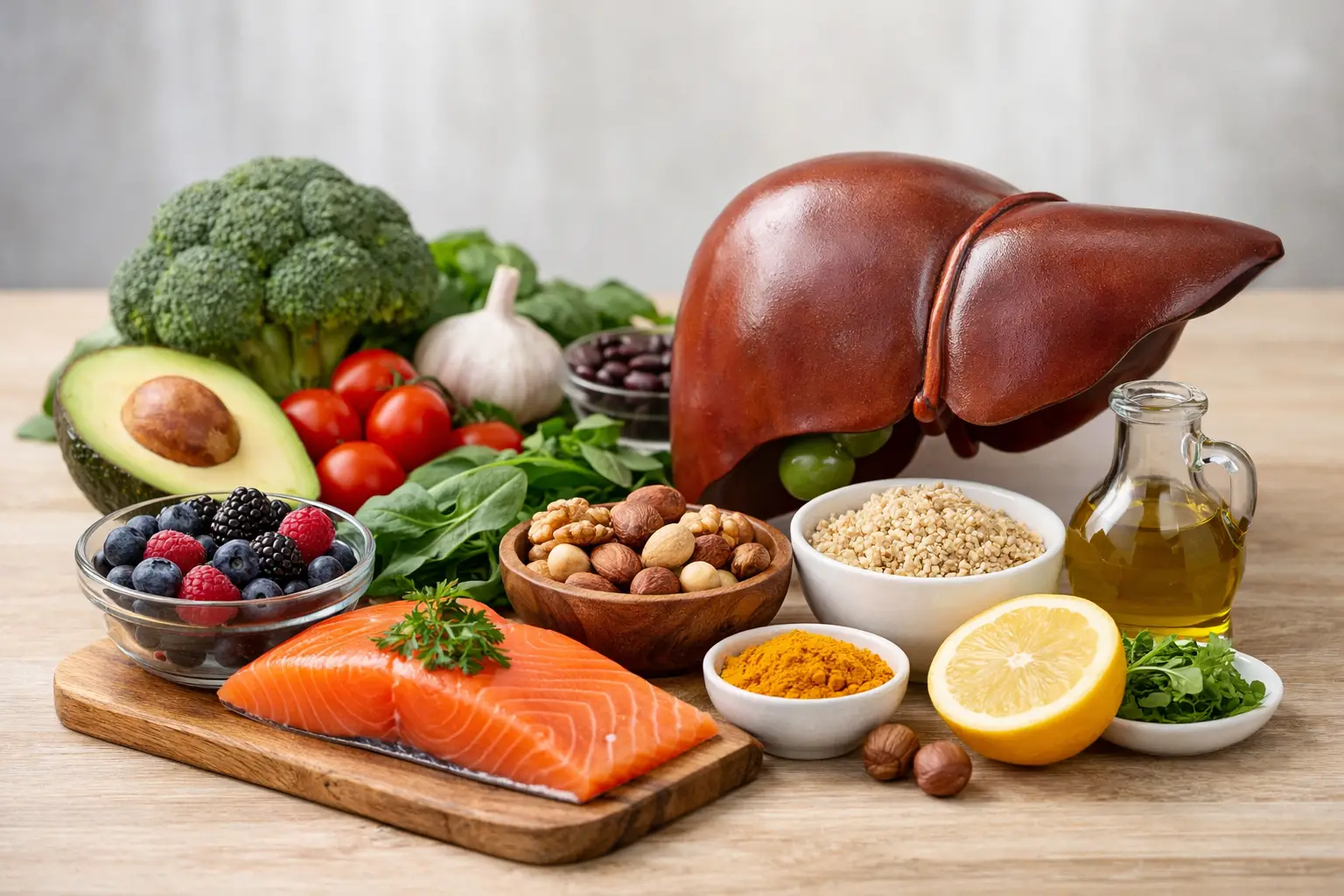
Your liver works quietly around the clock, processing nutrients, helping regulate blood sugar, making bile for digestion, and breaking down substances your body needs to clear. The best foods for liver health do not “detox” the liver overnight. Instead, they support the eating patterns that can help protect this essential organ over time.
That distinction matters. For most people, liver-friendly eating looks less like a juice cleanse and more like regular meals built around plants, fiber-rich carbohydrates, healthy fats, and minimally processed proteins. Food can be especially meaningful for people managing metabolic risk factors such as excess weight, high cholesterol, insulin resistance, or fatty liver disease.
What Makes a Food Support Liver Health?
The liver is closely connected to overall metabolic health. Diets high in added sugar, refined carbohydrates, saturated fat, and heavily processed foods can contribute to fat buildup in the liver, particularly when they are paired with low activity levels or excess calorie intake. Today, nonalcoholic fatty liver disease is increasingly referred to as metabolic dysfunction-associated steatotic liver disease, or MASLD.
No single ingredient prevents or treats liver disease. Still, research consistently supports a Mediterranean-style eating pattern, which emphasizes vegetables, fruit, beans, whole grains, fish, nuts, and olive oil. These foods tend to provide fiber, unsaturated fats, and protective plant compounds while helping limit the added sugars and refined foods that can work against metabolic health.
10 Best Foods for Liver Health
1. Coffee
Coffee may be one of the most studied beverages for liver health. Regular coffee drinking has been associated with lower risks of liver fibrosis, cirrhosis, and liver cancer in research studies. Scientists are still studying exactly why, but coffee contains compounds that may help reduce inflammation and protect liver cells.
You do not need to load it with sugar to get the potential benefit. Black coffee, or coffee with a modest amount of milk, is a better everyday choice than sweetened coffee drinks. If caffeine causes anxiety, heart palpitations, reflux, or sleep problems, decaf may still be an option to discuss with your clinician.
2. Leafy Greens and Cruciferous Vegetables
Spinach, kale, romaine, broccoli, Brussels sprouts, cabbage, and cauliflower bring fiber and a wide range of vitamins and plant compounds to the plate. Fiber supports digestive health and can help with cholesterol and blood sugar management, two factors that matter for liver health.
Cruciferous vegetables are also rich in naturally occurring compounds involved in the body’s normal antioxidant and detoxification processes. That does not make broccoli a cure-all, but it is a practical food to rotate into meals. Try roasted broccoli with dinner, a cabbage slaw in tacos, or spinach folded into eggs, soups, and grain bowls.
3. Berries
Blueberries, strawberries, raspberries, and blackberries are rich in anthocyanins, the pigments that give many berries their deep red, blue, and purple colors. These plant compounds have antioxidant and anti-inflammatory properties, which is one reason berries are often included in research on healthy dietary patterns.
Fresh berries are great when they are in season, but frozen berries are just as useful and often easier on the budget. Choose unsweetened frozen fruit for smoothies, oatmeal, yogurt, or a simple snack. Whole berries are preferable to berry-flavored products, which may contain little fruit and plenty of added sugar.
4. Oats and Other Whole Grains
Oats provide beta-glucan, a type of soluble fiber that can support healthy cholesterol levels and help you feel full after a meal. That makes oatmeal a smart breakfast choice for people trying to improve metabolic health or make gradual, sustainable weight changes.
Other helpful whole-grain choices include quinoa, brown rice, barley, whole-wheat bread, and popcorn without heavy butter or sugary coatings. The key is replacing refined grains more often, not insisting on perfection. A sandwich on whole-grain bread or a half-and-half mix of white and brown rice can be a realistic starting point.
5. Beans and Lentils
Beans, lentils, and chickpeas are inexpensive nutritional powerhouses. They offer plant protein and fiber without the saturated fat found in some processed and high-fat meats. Because they digest slowly, they can also support steadier blood sugar after meals.
Use canned beans for convenience, then rinse them to reduce sodium. Add black beans to a burrito bowl, lentils to soup or pasta sauce, or chickpeas to a salad. If beans cause gas or bloating, start with smaller portions and increase gradually as your digestive system adjusts.
6. Fatty Fish
Salmon, sardines, trout, herring, and mackerel contain omega-3 fats. These unsaturated fats are linked with heart health and may help improve triglyceride levels, which is relevant because elevated triglycerides often occur alongside fatty liver disease.
Aim for fish a couple of times per week if it fits your preferences and budget. Baked salmon, canned sardines on whole-grain toast, or fish tacos with cabbage can all work. For those who do not eat fish, walnuts, chia seeds, flaxseed, and algae-based omega-3 products are alternatives, though they are not identical nutritionally.
7. Olive Oil
Olive oil is a cornerstone of Mediterranean-style eating. It is rich in monounsaturated fat and can replace butter, shortening, or other fats that are higher in saturated fat. In the context of an overall balanced diet, this swap may support healthier blood lipid levels and reduce the burden of excess saturated fat.
Use olive oil for sautéing vegetables, roasting chicken, whisking into a salad dressing, or finishing soups and grain bowls. It is calorie-dense, so more is not always better. A drizzle or tablespoon can go a long way.
8. Walnuts and Other Nuts
Walnuts provide unsaturated fats, fiber, and plant compounds, while almonds, pistachios, pecans, and peanuts offer similar nutritional strengths. Regular nut intake is associated with better diet quality and can be a satisfying replacement for chips, candy, or pastries.
Portion size matters because nuts are easy to overeat straight from the bag. A small handful is usually enough for a snack, or use chopped nuts as a topping for oatmeal, yogurt, salads, and roasted vegetables. Choose unsalted or lightly salted varieties when possible.
9. Garlic
Garlic adds strong flavor with virtually no added sugar or saturated fat, making it a useful tool for creating satisfying meals with less reliance on salty sauces or rich fats. Small studies have explored garlic’s possible effects on fat metabolism, but the evidence is not strong enough to treat it as a liver remedy.
Its clearest benefit is practical: garlic makes vegetables, beans, fish, and lean proteins more enjoyable. Fresh garlic, minced garlic, and garlic powder can all fit into a healthy kitchen routine. Just be cautious with high-dose garlic supplements, especially if you take blood-thinning medication.
10. Grapefruit and Other Whole Citrus Fruits
Grapefruit, oranges, lemons, and limes provide vitamin C and a variety of plant compounds. Whole citrus fruit also offers water and fiber, making it a more supportive choice than sweetened juice. Research on grapefruit specifically is still limited, so think of it as one nutritious fruit among many, not a targeted liver treatment.
One important exception: grapefruit can interact with several prescription medications. If you take medication for cholesterol, blood pressure, heart rhythm, anxiety, or another ongoing condition, ask your pharmacist or clinician whether grapefruit is safe for you.
Build Liver-Friendly Meals Without Overthinking It
A useful approach is to make plants the foundation of most meals, then add protein and a satisfying source of healthy fat. For breakfast, that could mean oats with berries and walnuts. For lunch, try a grain bowl with greens, chickpeas, vegetables, and olive oil-based dressing. Dinner might be salmon with roasted broccoli and brown rice.
Just as important is what you have less often. Sugary drinks are a meaningful target because they can deliver large amounts of added sugar quickly. Limiting alcohol is also essential for liver health. People with liver disease may need to avoid alcohol entirely, so individualized medical advice is important.
When Food Is Not Enough
Healthy eating can support liver function, but it cannot replace medical care. Talk with a health professional if you have been told you have elevated liver enzymes, fatty liver disease, hepatitis, or cirrhosis. Seek prompt care for symptoms such as yellowing of the skin or eyes, swelling in the abdomen or legs, confusion, severe fatigue, dark urine, or persistent abdominal pain.
The most helpful changes are usually the ones you can repeat. Start by adding one liver-supportive food to a meal you already enjoy, then let that small habit become part of your normal routine.
Leave Feedback: Was this article helpful?